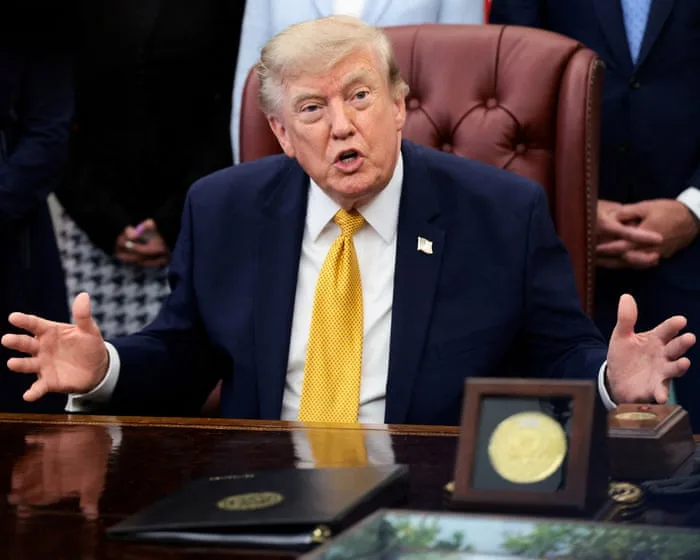
In recent days, American and Qatari officials have reported progress in efforts to revive the ceasefire in the Iran-U.S. war. This positive news has not only had a favorable impact on the political atmosphere in the region but has also affected the oil market, resulting in a 2 percent drop in prices.
Challenges in the Strait of Hormuz
However, the Strait of Hormuz, which is one of the most important maritime routes in the world for oil transportation, remains closed to ships. According to reports, a cargo ship near the shores of Oman and close to the Strait of Hormuz has been targeted by an unknown project, raising concerns about maritime security in the area.
Reviving the ceasefire and reopening the Strait of Hormuz could help reduce tensions and increase stability in global markets. Analysts believe that progress in negotiations could lead to improved relations between Iran and the United States and alleviate economic pressures.
Is an Agreement Close?
Despite the hopeful atmosphere, many unanswered questions remain. Will these negotiations lead to a lasting agreement, or will they, like many previous efforts, yield no results? These questions continue to linger in the minds of analysts and global markets.
Ultimately, the future of these negotiations and their impact on oil prices and regional security remains uncertain. However, what is clear is the hopes that are forming these days regarding the end of existing tensions in the Persian Gulf.