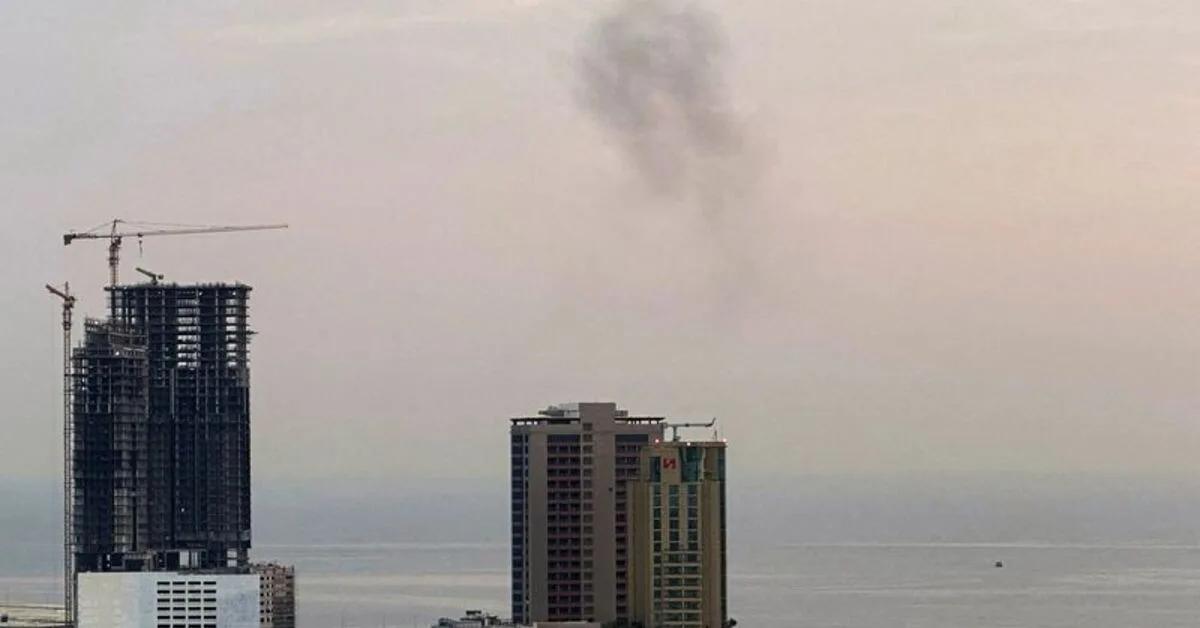
The Bahraini government, in light of Iran's precise attacks and the support of some Bahraini citizens for these attacks, has taken steps to intensify pressure on Shia clerics. Bahraini officials describe this action as a fundamental necessity for maintaining the country's sovereignty and claim that Iran is attempting to undermine the leadership of this country, which is ruled by a Sunni family.
Security and Human Rights Challenges
Many criticisms have been raised by human rights groups, stating that the detention and revocation of citizenship from 69 citizens with Iranian identity is a new blow to freedom of expression and religious freedom in a country that has previously experienced the suppression of pro-democracy protests in 2011.
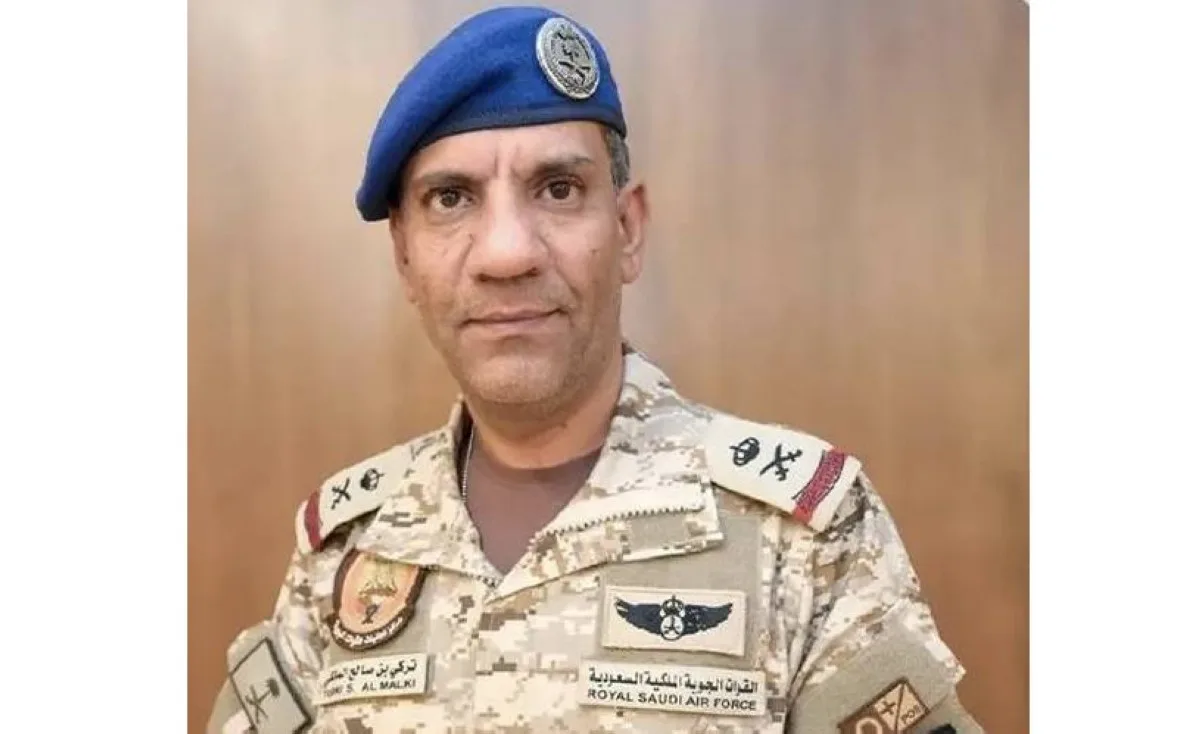
Major General Tariq Al-Hassan, head of Bahrain's Public Security Organization, emphasized in an interview that "we are facing an ideology that places allegiance to Iranian leadership above the sovereignty of Bahrain."
Consequences of the Iran War and Internal Tensions
The Iran war is recognized as a destabilizing factor for countries in the region that are close to the United States. This situation in Bahrain has led to a reversal of the internal and regional de-escalation process. For example, in 2024, the Bahraini government released hundreds of political prisoners and began negotiations with Iran to restore diplomatic relations.
However, now, these developments have led to increased tensions within the Shia community in Bahrain, who feel they are being suppressed because of their beliefs.
So far, about twelve people have been sentenced to 5 to 10 years in prison for expressing support for the attacks. Bahraini officials are concerned that public support for these attacks may be interpreted as treason. At the same time, Bahrain continues to impose restrictions on Friday prayers in key Shia mosques and has limited mourning ceremonies.
Ultimately, these pressures and actions by the Bahraini government reflect the depth of security concerns regarding Iranian influence and the negative impacts on human rights and religious freedoms in this country.
Read more: The Kuwaiti government announced a ban on photography and filming at Kuwait International Airport · The killing of a Jordanian security officer in a knife attack in Amman