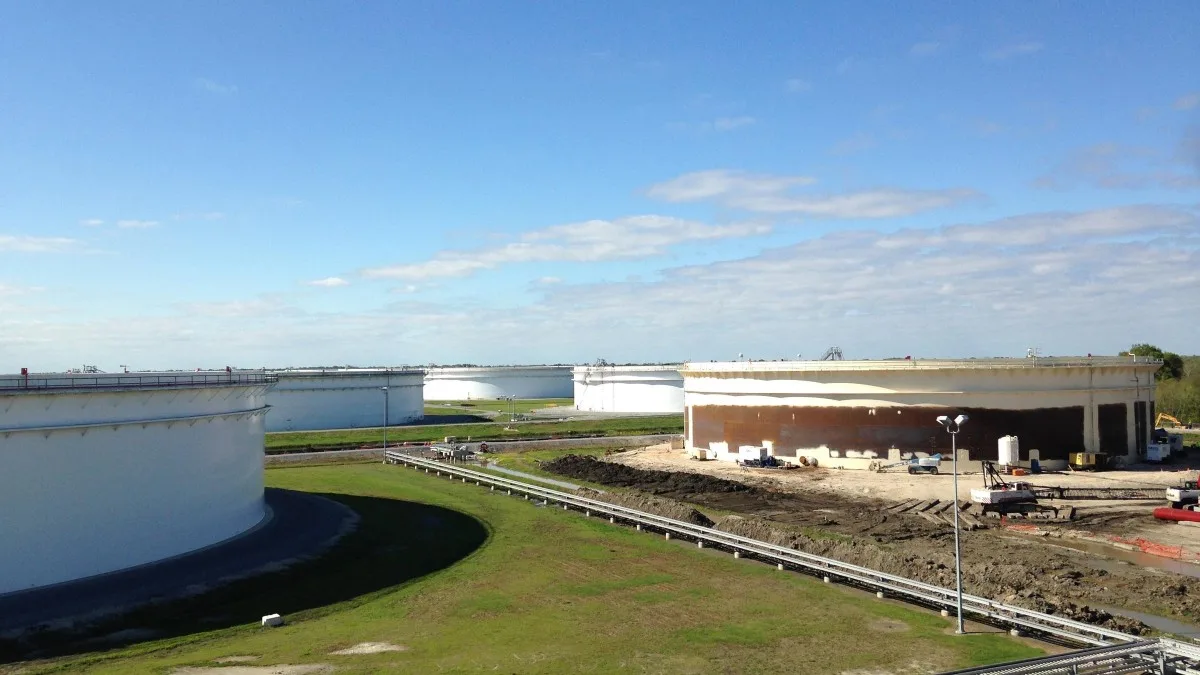
Canada is seriously expanding its influence in the U.S. Gulf oil market. By leveraging new infrastructure, the country is seeking to create new routes for crude oil exports. One of the key points of this strategy is Enbridge's Houston terminal, which particularly focuses on heavy Gulf refineries.
Increased Competition in the Energy Market
The Houston terminal is considered an important gateway for Canadian heavy oil. This means that American refineries can easily access this new source. While oil production in Canada continues to grow steadily, this strategy could impact prices and supply in global markets.
Additionally, the Trans Mountain project, which helps increase access to Asian markets, is recognized as a key factor in strengthening Canada's position globally. This project could enhance oil and gas exports from Canada to Asian countries, especially China. In fact, these two projects demonstrate Canada's serious determination to compete with other global energy producers.
Future Developments and Their Effects
Given recent developments, competition in the oil market is expected to increase. Experts predict that these changes could benefit American consumers, but at the same time, they will pose risks for the global energy market. In particular, considering climate change and social pressures, these developments may face challenges.
With Canadian oil entering the Gulf market, not only will new players emerge, but the structure of the energy market will also be significantly affected. In this context, the role of policymakers and regulatory bodies will be crucial in determining the fate of these developments.