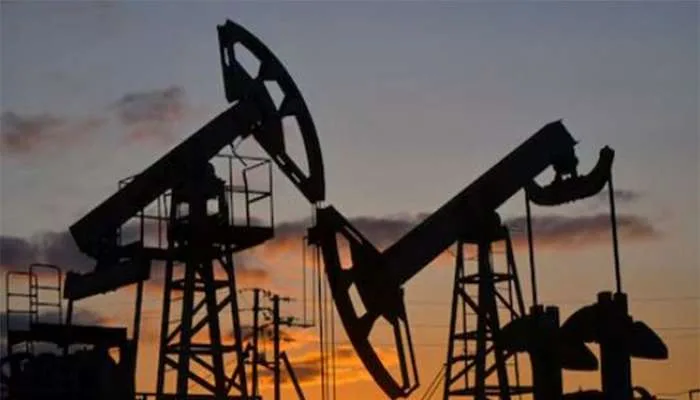
The rise in oil prices above $108 in the global market has raised concerns in India, particularly regarding the value of the rupee, inflation rates, and corporate profit margins. Analysts believe that this increase could put significant pressure on the Indian economy, and consequently, investor reactions in the market may also be affected.
Analysts' Predictions on Economic Impacts
Analysts expect the immediate market reaction to these price increases to be "risk-averse." They warn that if oil prices continue to rise consistently, this could lead to a decrease in the value of the rupee and an increase in inflation rates. Additionally, corporate margins will be under pressure, and market valuations may be challenged.
Read more: Oman Allows Self-Employed to Take Government Contracts Up to 5,000 Omani Rials
Various Dimensions of Rising Oil Prices
The rise in oil prices due to high demand and supply chain disruptions could have widespread impacts on trade and industry in India. This situation will not only affect production costs but could also lead to an increase in the prices of goods and services. As a result, consumer purchasing power may decline, which in turn could fuel economic recession.
Moreover, rising oil prices could impact the monetary policies of the Reserve Bank of India. If inflation rises significantly, the central bank may be forced to adopt stricter monetary policies, which could in itself lead to reduced economic growth.
In the current situation, the Indian government needs to take necessary measures to address these challenges. Creating stability in the energy market and strengthening the rupee could be among the actions essential for maintaining the country's economic health. Additionally, investing in renewable energy resources and reducing dependence on oil could help improve the economic situation in the long term.
Read more: Oman: A Road to 130 Countries with Non-Oil Exports · Wall Street Returns; Oil Volatility and Inflation Concerns in Focus of Federal Reserve