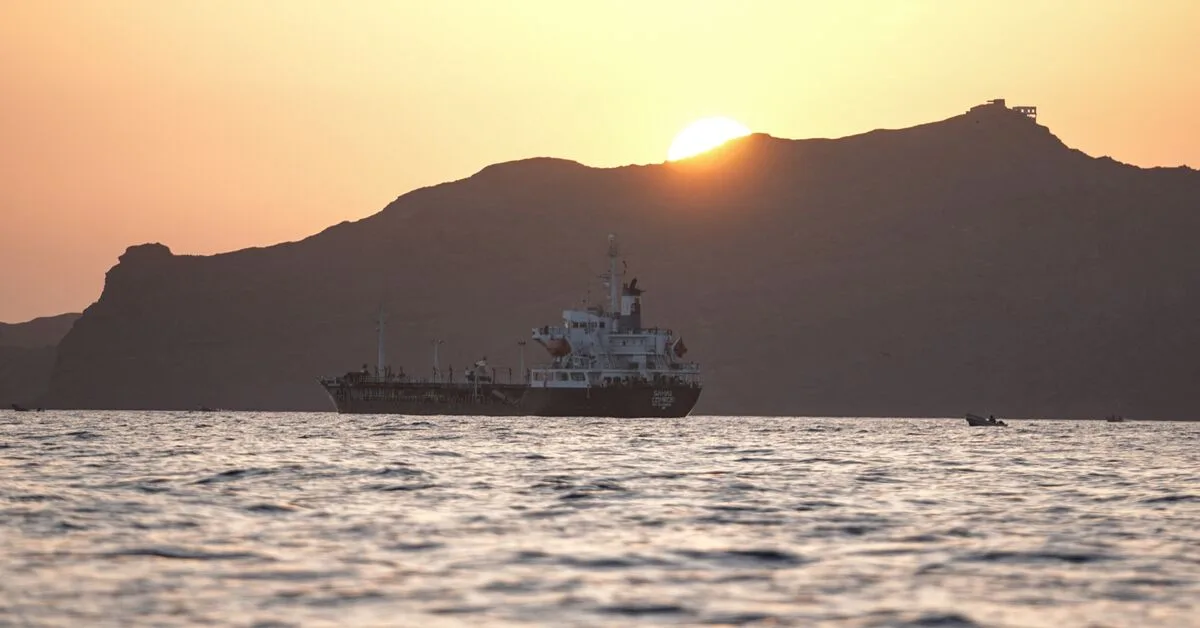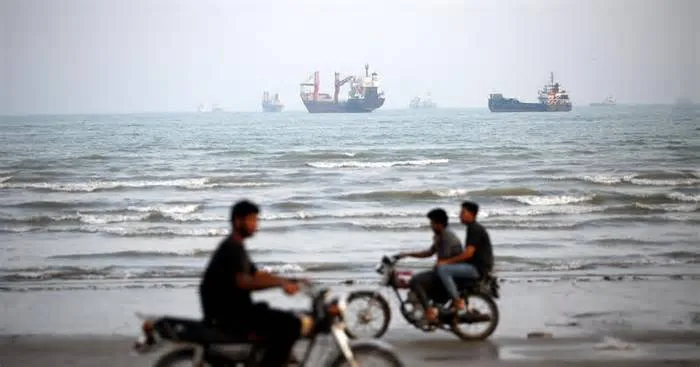
The decrease in cargo ship traffic in the Strait of Hormuz, one of the most important maritime routes in the world, has drawn significant attention, especially this week. According to preliminary data, the number of ships passing through this strait has reached a single-digit figure per day, indicating a significant reduction in maritime trade volume in this region.
Factors Affecting the Decrease in Ship Traffic
The decrease in ship traffic in the Strait of Hormuz may be due to various factors. These factors include political and military tensions in the region, changes in global demand for goods, and also new economic policies of the surrounding countries. Given the strategic position of the Strait of Hormuz, any change in ship traffic could have widespread implications for global markets.
Read more: Closure of the East-West Pipeline in Saudi Arabia and its Consequences for the Global Oil Market
Economic Consequences and Increase in Oil Prices
As the number of passing ships has decreased, oil prices in global markets have experienced an increase. This price rise can be interpreted as a direct consequence of reduced supply and global demand for oil. Analysts believe that the continuation of this trend may lead to further price increases and consequently create economic fluctuations.
Moreover, the impacts of this decrease in traffic on oil-producing countries and economies dependent on oil imports are undeniable. In this regard, it is expected that various countries will take measures to manage this situation to prevent its negative consequences.
The decrease in ship traffic in the Strait of Hormuz, especially under current conditions, requires special attention from international and regional organizations to effectively address existing crises and facilitate maritime trade.
Read more: Kuwait Commercial Bank Announces Winner of 500,000 Dinars in Al-Najma Account Lottery · Postponement of Hormuz Meeting at the Request of Saudi Arabia