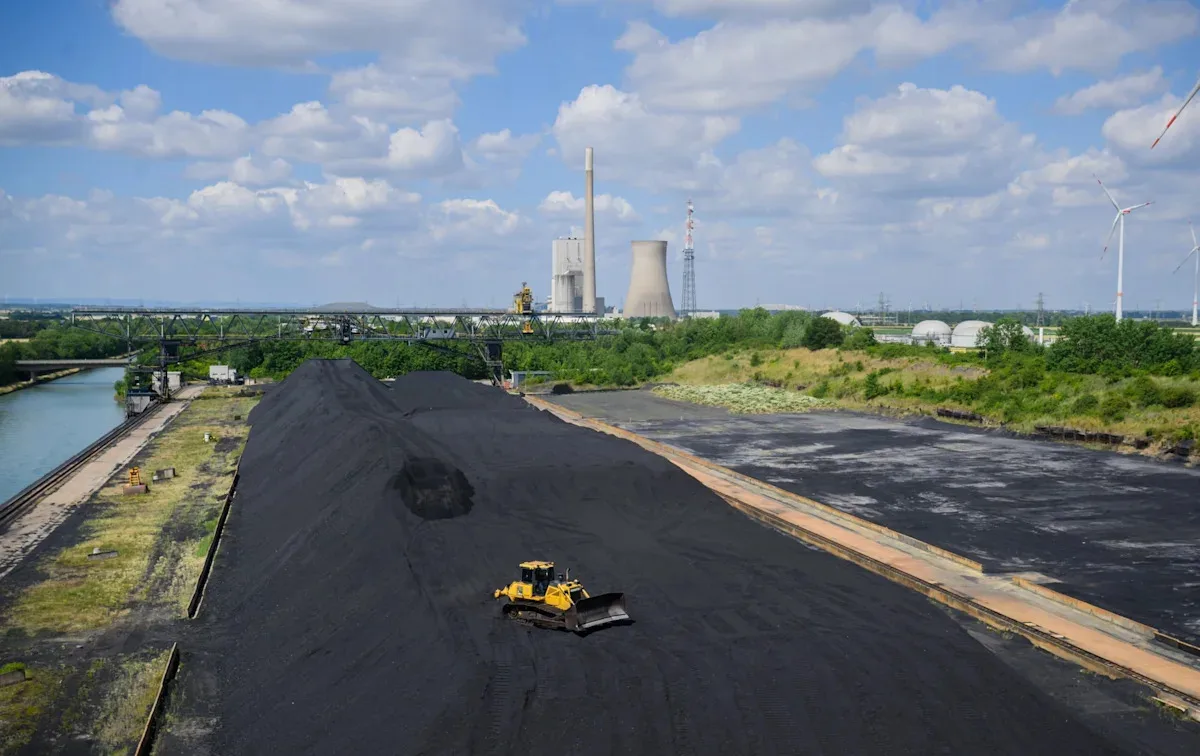
Following the Hormuz Strait blockade caused by the war in Iran, the global energy market has faced a new shock. This blockade has not only led to a reduction in oil supply but has unexpectedly increased demand for coal. In fact, various countries are seeking alternative energy sources to oil, and coal has emerged as one of the main options.
Economic Consequences of the Hormuz Strait Blockade
The Hormuz Strait is recognized as one of the most important transit routes for oil and gas in the world. The closure of this strait not only has direct effects on oil prices but has also led to an increase in coal prices. Given that many countries, especially in Asia and Europe, are dependent on coal as an energy source, these changes could have serious implications for energy prices and consequently on the global economy.
Energy Market Outlook
As this situation continues, it is expected that demand for coal will continue to grow in the coming years. This is while many countries are striving to move towards cleaner and renewable energy, but under current conditions, coal is being used as a temporary solution to meet energy needs. This not only creates challenges for environmental policies but could also lead to an increase in greenhouse gas emissions.
Overall, the Hormuz Strait blockade, as a crisis in the global energy market, highlights the severe dependence of various countries on fossil energy resources and the challenges ahead in the transition towards more sustainable energy. In these circumstances, it remains to be seen how consuming countries will respond to this crisis and what measures will be taken to reduce dependence on coal and other fossil resources.