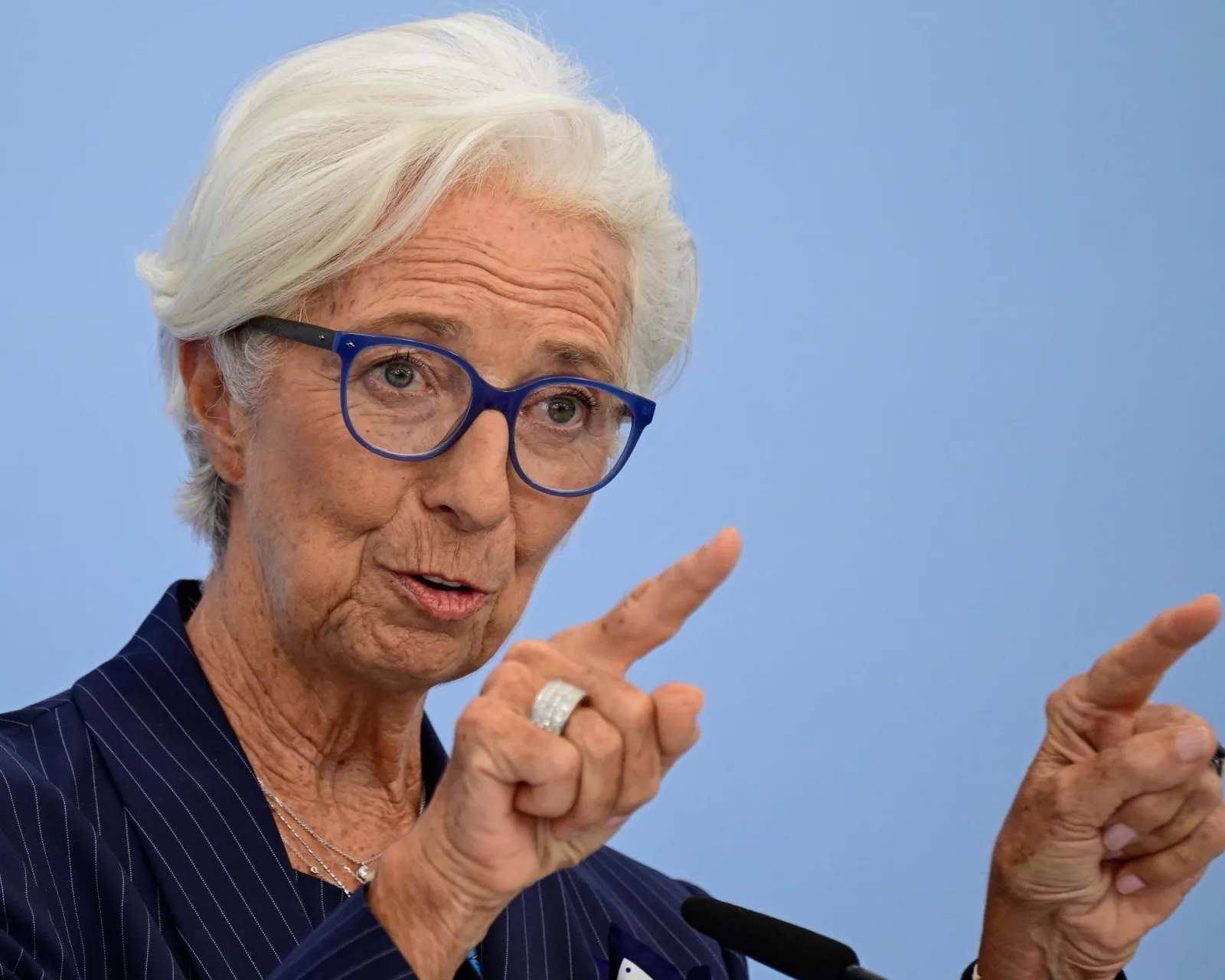
In a surprising move, the European Central Bank (ECB) raised interest rates to 2.5 percent and stated that the risk of rising inflation next year has increased due to recent conflicts in the Middle East. This decision was made as borrowing costs in Europe have sharply risen and oil prices have approached $105 per barrel.
Factors Influencing Economic Decisions
Given the rising energy prices and ongoing tensions in the Persian Gulf, particularly in the Strait of Hormuz, concerns about the impact of this situation on the European economy have significantly increased. Recent conflicts between the United States and Iran, especially attacks on ships, have fueled uncertainty in the markets, which is clearly reflected in the economic decisions of the central bank.
The European Central Bank has emphasized that price pressures in the Eurozone are likely to persist longer than previously anticipated. This situation not only affects the cost of living but could also lead to economic recession.
Consequences of Interest Rate Increase
An increase in interest rates means higher borrowing costs for consumers and businesses. This change could lead to a slowdown in economic growth and impact employment and investment. However, the central bank is seeking to control inflation and maintain economic stability, even if this means higher prices for loans.
Overall, recent developments in the Middle East and the associated risks have put pressure on the European economy, and it seems that any changes in this situation in the near future could have profound effects on the markets and the daily lives of citizens.