The war in Ukraine and other regional conflicts have compelled European countries to rethink their military approaches. In particular, Russia's daily attacks using drones and missiles have highlighted existing weaknesses in advanced weapon stockpiles and point to an urgent need for the production of cheaper missile weapons with high production capacity.
War Experience and Change in Military Approach
Douglas Barrie, a specialist at the International Institute for Strategic Studies, warns that European countries may believe they have sufficient cruise missile stockpiles, while reality shows that these stockpiles are rapidly diminishing. Modern wars progress in such a way that weapons are consumed quickly, making mass production essential.
Read more: Yemen: Displacement and Humanitarian Crisis Following Houthi Attacks on Aden
Analysts believe that the European defense sector has focused on limited production of advanced weapons for years, while now it is seeking cheaper systems with mass production capabilities. This shift in approach has become necessary due to new wartime realities, including increasing threats from Russia.
Development of New Technologies and Need for Investment
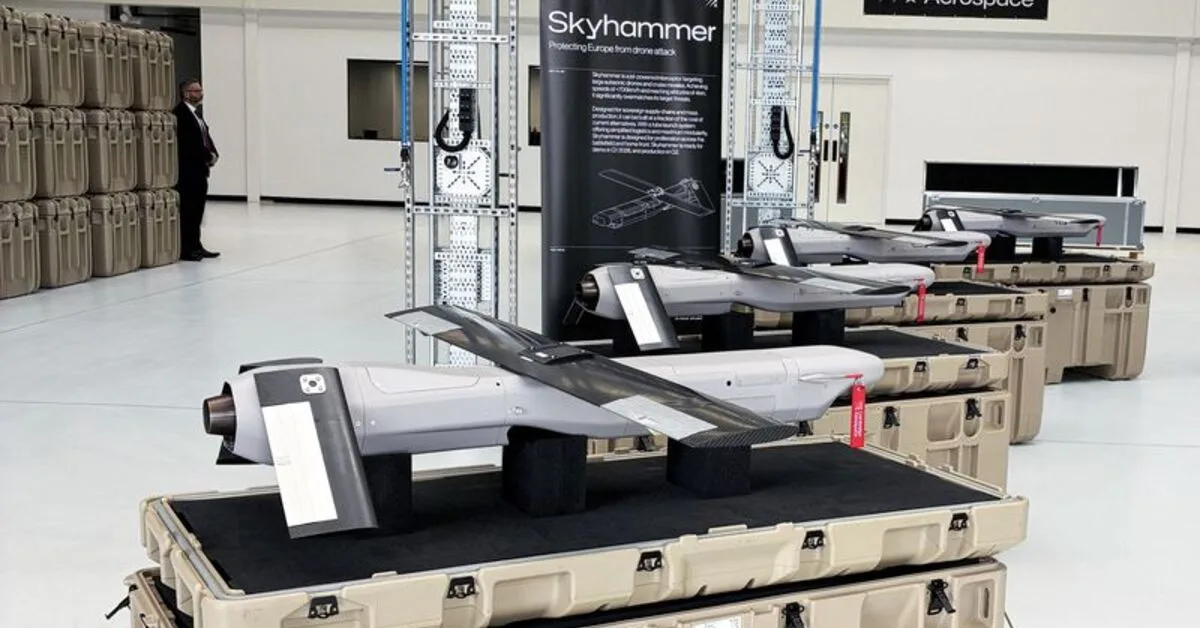
New defense startups in Europe are looking to provide solutions to meet the demand for cheaper weapons. For example, in June, the Netherlands ordered 700 Ruta Block 2 cruise missiles from the European startup Destinus for €250 million. Additionally, the UK Ministry of Defense has signed initial contracts for the production of Skyhammer missiles with Cambridge Aerospace.
The Estonian defense forces have emphasized that developing low-cost and effective weapon systems to adapt to the new battlefield conditions is of high importance. Ukraine has also managed to shoot down many Russian drones using lighter weapons by creating a multi-layered defense network.
Steven Barnett, CEO of Cambridge Aerospace, points out that Russia may launch up to 900 Shahid drones in one night, and attempting to counter them using traditional and advanced systems incurs very high costs that are not feasible for any of the allies.
Frankenburg is seeking to design systems aimed at successfully reducing the cost of target interceptions from around €20 million to €1 to €2 million. Additionally, the Ukrainian startup Fire Point has announced plans to develop a ballistic missile system at a cost of less than €1 million, which is significantly lower than the cost of similar American systems.
The defense industry must face new challenges in production and supply of components. Cambridge Aerospace is investing in rocket engines and other critical components and aims to produce 2,500 missiles per month by the end of the first quarter of next year.
Overall, these developments indicate a major shift in Europe's military approach towards the production of low-cost and high-capacity weapons to meet the increasing demands of the battlefield.
Read more: At least 150 people detained in Turkey due to protests against LGBTQ+ arrests · Dark Future for Europe: Energy Pressure on Bridge North Aluminum Factories