Industrial investments in the Gulf Cooperation Council (GCC) countries reached approximately $٤٢٦ billion by the end of July last year. This statistic, published by the GCC Statistical Center, indicates the growth and expansion of the industrial base in this region.
Number of factories and workforce
The GCC Statistical Center announced that this entity refers to more than ٢٢,٠٠٠ factories in member countries, which employ over ١.٧ million workers in total. Additionally, manufacturing industries account for about ١٣ percent of the Gross Domestic Product (GDP) of this bloc by ٢٠٢٥.
Read more: Oman: Registration begins for ٢,٨٩٤ higher education seats in the second round
Concentration of industrial investments
About ٤٠ percent of industrial investments are concentrated in key industries. These industries mainly include refined petroleum products, aluminum, gas-based fuels, iron and steel, and plastics. The report from the Statistical Center highlights the importance of these industries in forming a crucial base for manufacturing industries and intermediaries and emphasizes that these industries contribute to the integration of industrial value chains.
Industrial products account for about ٦٩ percent of the total exports of the Gulf Cooperation Council, which include petroleum gases and hydrocarbons, refined oils, vehicles, organic compounds, aluminum, ships and boats, and electrical equipment and machinery. China is recognized as the largest source of imports for the Gulf Cooperation Council, supplying about ٢٠ percent of the total imports of this bloc. The most significant imports include equipment, machinery, vehicles, pharmaceuticals, iron and steel, and plastics.
Diversity and variety in the industrial base
The GCC Statistical Center stated that these statistics reflect the breadth and diversity of the industrial base in the Gulf, with significant differences in industrial activities among member countries in terms of investment and the number of factories. Industry is a key sector in supporting economic growth, developing value chains and production, and deepening industrial integration among the Gulf Cooperation Council countries. These efforts contribute to economic diversification, increasing the share of non-oil activities, and making Gulf products more competitive.
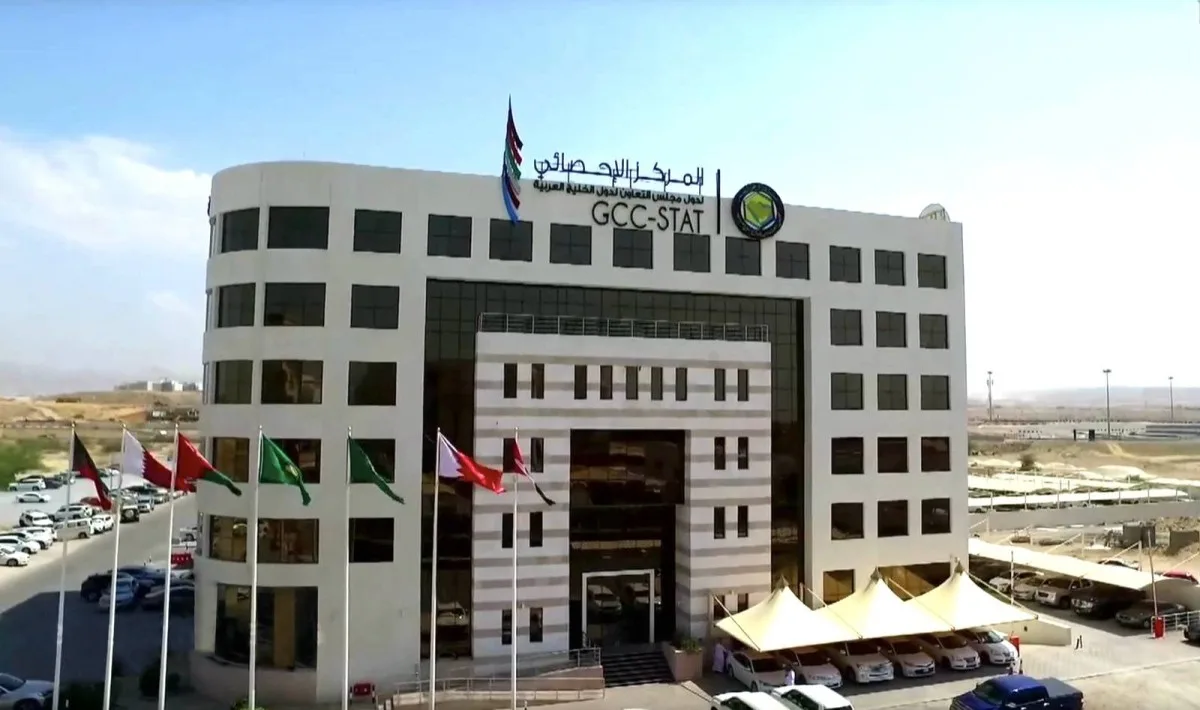
The GCC Statistical Center was established in ٢٠١١ and is headquartered in Muscat, Oman. This entity is recognized as the official reference for data and statistical information regarding the Gulf Cooperation Council countries.
Read more: The economy of the Arab Gulf countries came under severe pressure following the closure of the Strait of Hormuz · Increased pressure on India's trade balance due to rapid growth in imports