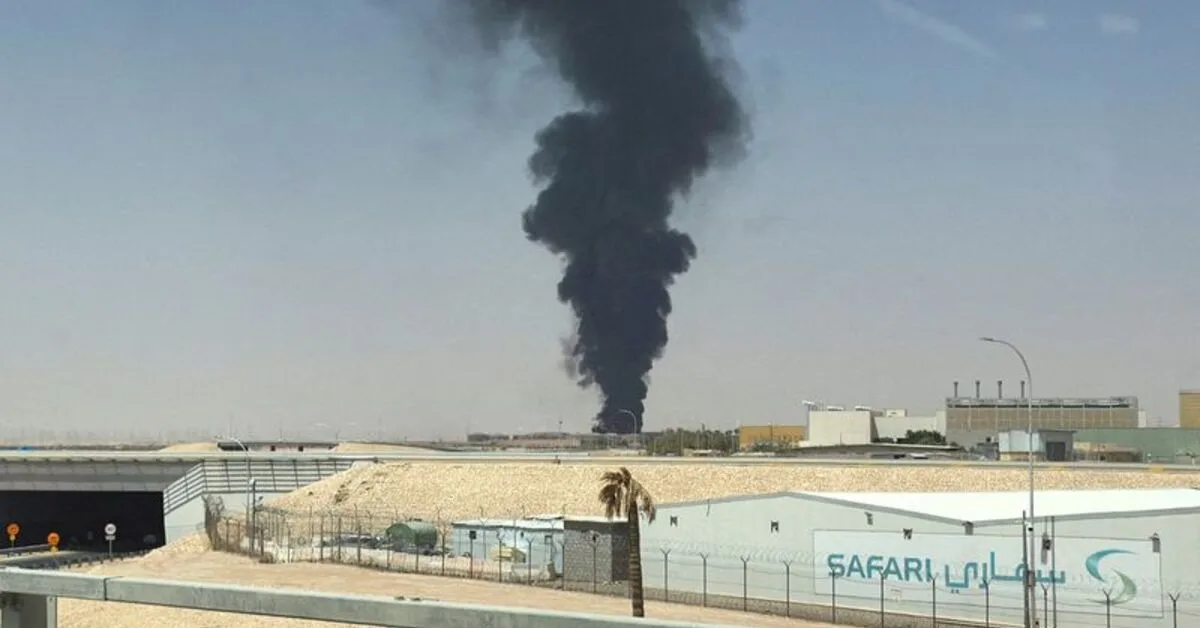
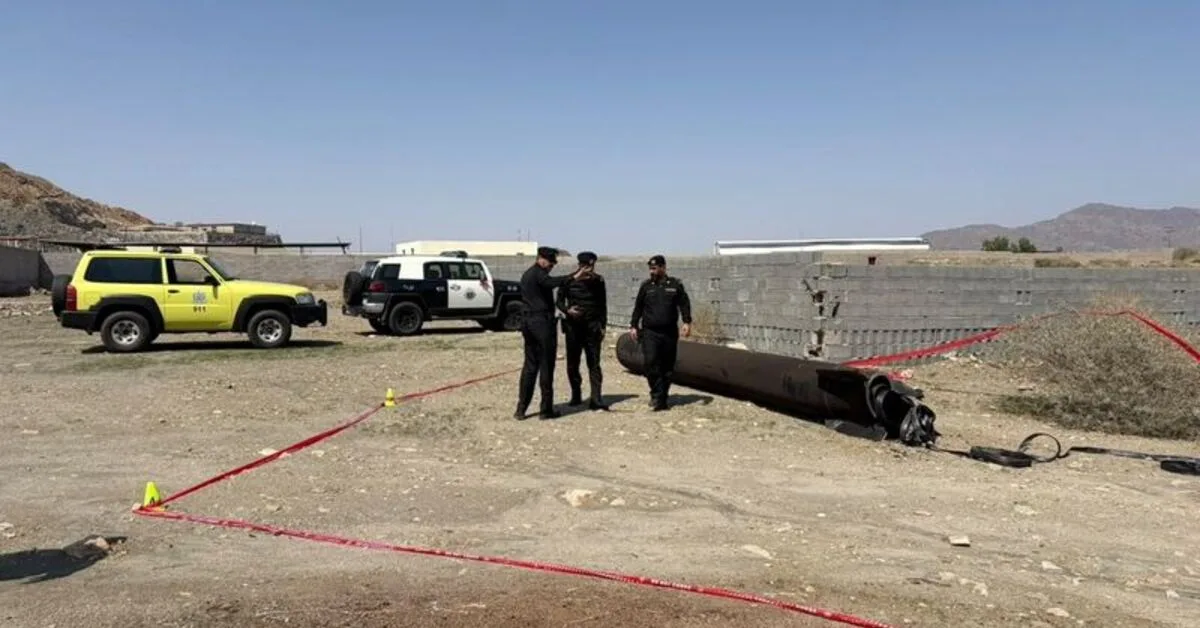
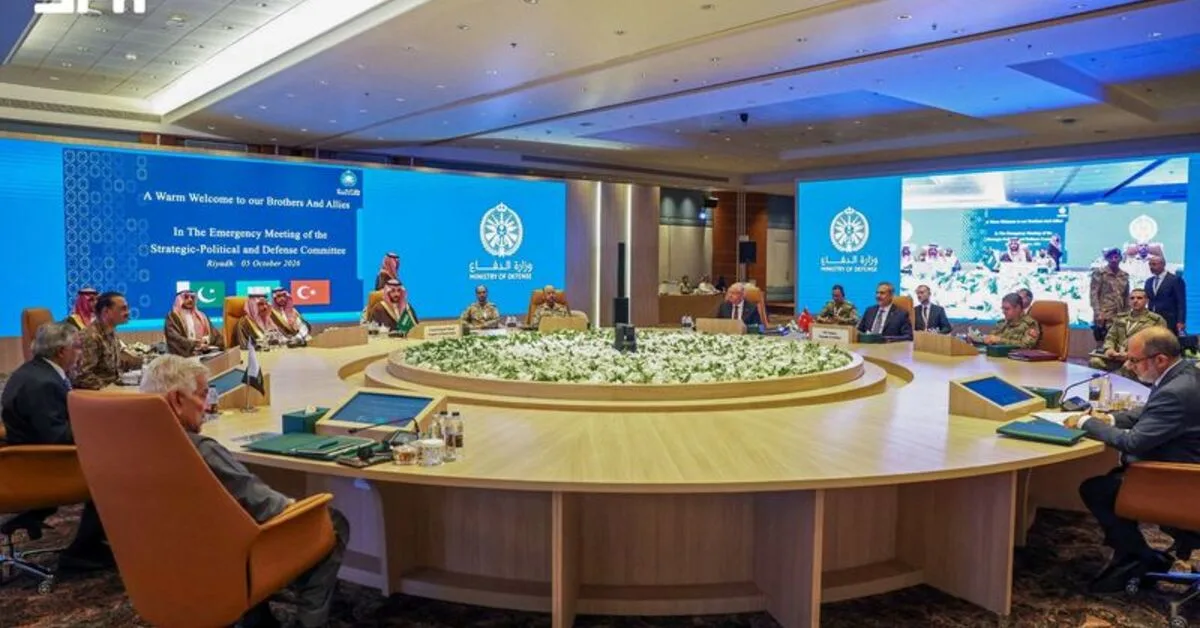
The Strait of Hormuz, one of the most strategic points in the world, was effectively closed by Iran in the early days of the war. The country sought to gain leverage for itself by taking advantage of the global economic crisis. While global oil markets were affected by the crisis, Iran continued its oil exports, primarily to China.
Economic and Military Impacts
This action by Iran not only affected oil prices but also fueled military tensions in the region. However, it seems that the United States is gradually easing pressure on Iran in this strait. This shift in approach may stem from new calculations in Washington regarding energy security and stability in the Persian Gulf.
It appears that although Iran has managed to act in its favor by exploiting the crisis, the consequences of this war will be very costly for the country. The continuation of this war and its impacts on Iran's economy and domestic politics have raised many questions for analysts and experts.
Future Outlook
Despite international efforts to reduce tensions, it seems that the crisis in the Strait of Hormuz will not end soon. Experts believe that Iran is still seeking to strengthen its positions in this region, which may lead to heightened tensions. The future outlook indicates a costly and complex war in this area, the consequences of which will extend beyond Iran's borders.