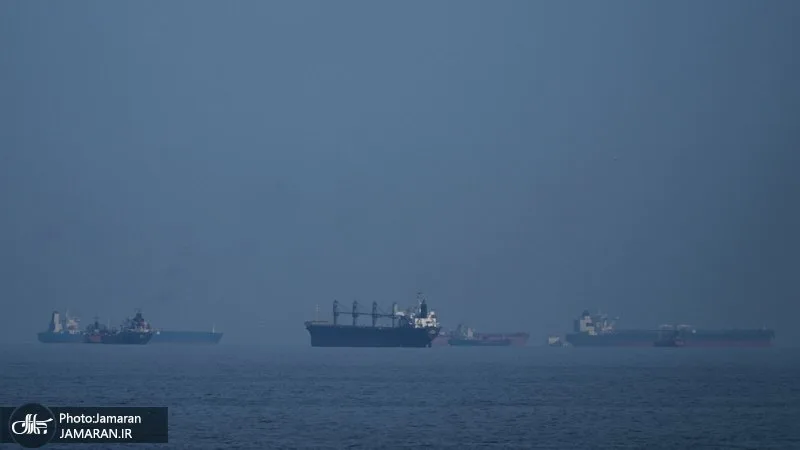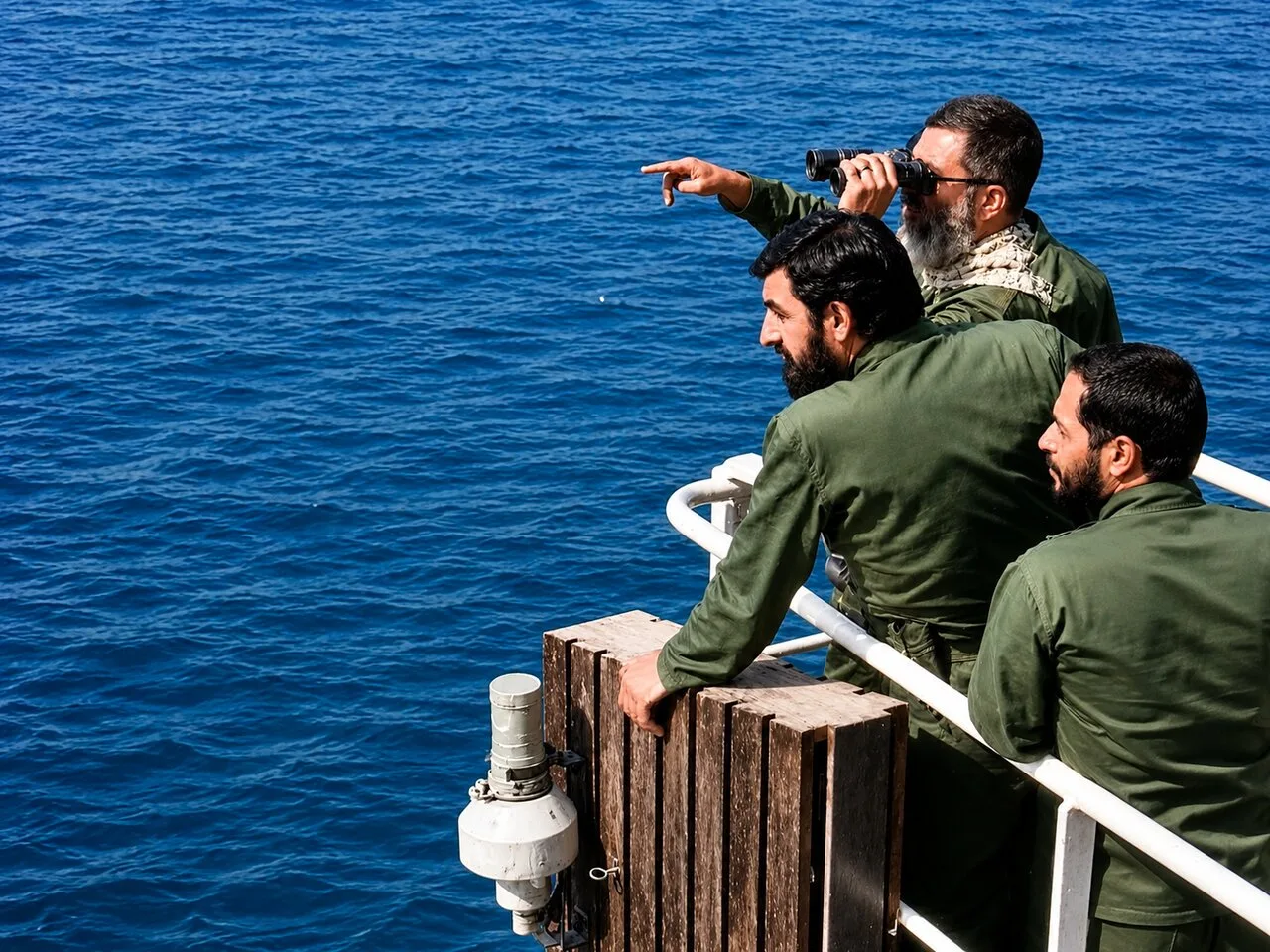
In the recent statements of Lieutenant General Mohsen Rezai, Iran's new security doctrine was officially announced, expanding the country's maritime no-go zones beyond the Strait of Hormuz. This action is not only considered a defensive measure but could also be seen as a significant change in the military and security strategy of the Islamic Republic of Iran in the Persian Gulf.
A Major Shift in Regional Equations
Alongside the historic agreement between Iran and Oman, this new doctrine could seriously impact the equations of military presence and influence of foreign countries in the Persian Gulf. General Rezai explicitly stated that Iran will enhance its military capabilities to maintain its security and sovereignty, and this action will serve as a new red line against external threats.
These changes in Iran's security policies could have widespread implications for international relations as well as for maritime security in the region. While the presence of American warships in the Persian Gulf continues, Iran aims to leverage its influence and power as a key player in this vital region through this action.
It seems that this decision is not only aimed at strengthening Iran's national security but is also viewed as a serious warning to hostile countries. What is important in this context is that these developments could significantly lead to changes in the economic and political interactions of the countries in the region.