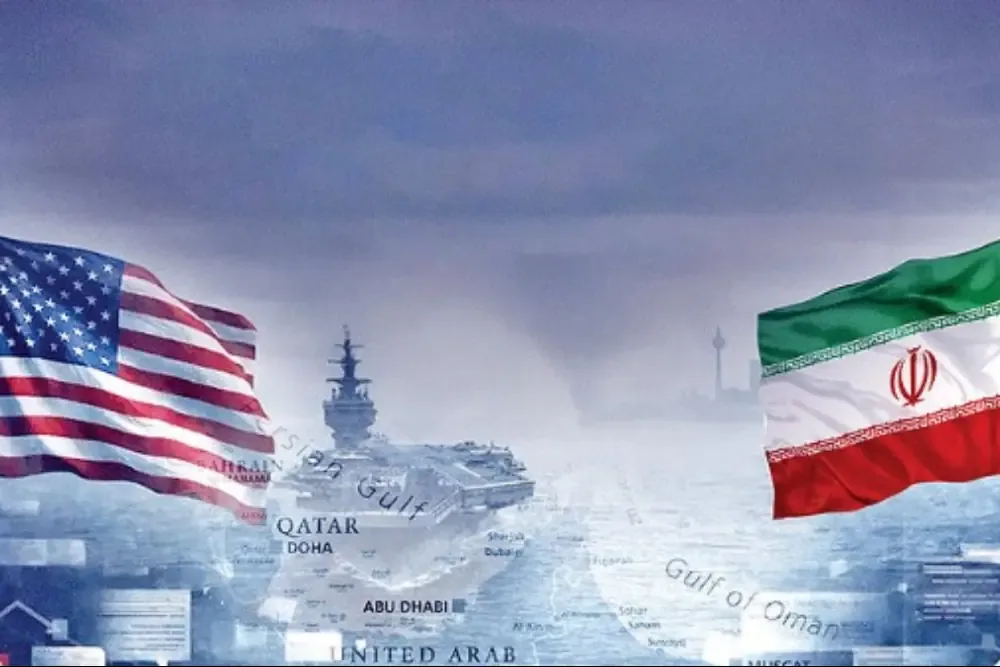
Ismail Baqai, spokesman for the Ministry of Foreign Affairs, stated that the Muscat meeting was not held at the request of Saudi Arabia and that the agreement between Iran and Oman regarding the securing of maritime routes and related issues of sovereignty of the two coastal countries has been finalized. Baqai emphasized that Tehran will decide in consultation with Muscat on how to announce or register this agreement.
Diplomatic Efforts in the Persian Gulf
In the continuation of these developments, the foreign ministers of Oman and Kuwait discussed strengthening regional security and stability and ensuring the safety and freedom of navigation in the Strait of Hormuz. These discussions take place in a context where the Strait of Hormuz is recognized as one of the strategic maritime routes globally, and any disruption in it could have widespread implications for energy security and the global market.
Read more: National Flag Maneuver ٢ in Kuwait and Strengthening Security Cooperation
Decrease in Vessel Traffic in the Strait of Hormuz
Initial shipping data indicates that the number of cargo ships passing through the Strait of Hormuz has decreased to single digits over the weekend. This is while the average for the past ١٠ days was reported to be ١٤ ships per day. This decrease in vessel traffic may be a sign of security concerns and their impact on the energy market.
In the energy market, Brent crude oil prices rose by more than $٤ to $١٠٨.٦٥ per barrel. At the same time, reports of disruptions in the East to West pipeline in Saudi Arabia and the potential decrease in the country's oil exports have raised concerns about global energy supply. These developments could have serious implications for global oil prices and energy security.
Russia's Warning About Instability
Russia also warned about the deterioration of the global oil market conditions due to instability in the Persian Gulf. Dmitry Peskov, spokesman for the Kremlin, announced that disruptions in the Saudi pipeline alone have affected more than ٤% of global supply. Given these conditions, Moscow has imposed a ban on the export of petroleum products to ensure domestic supply.
Saudi Arabia's Talks with CENTCOM
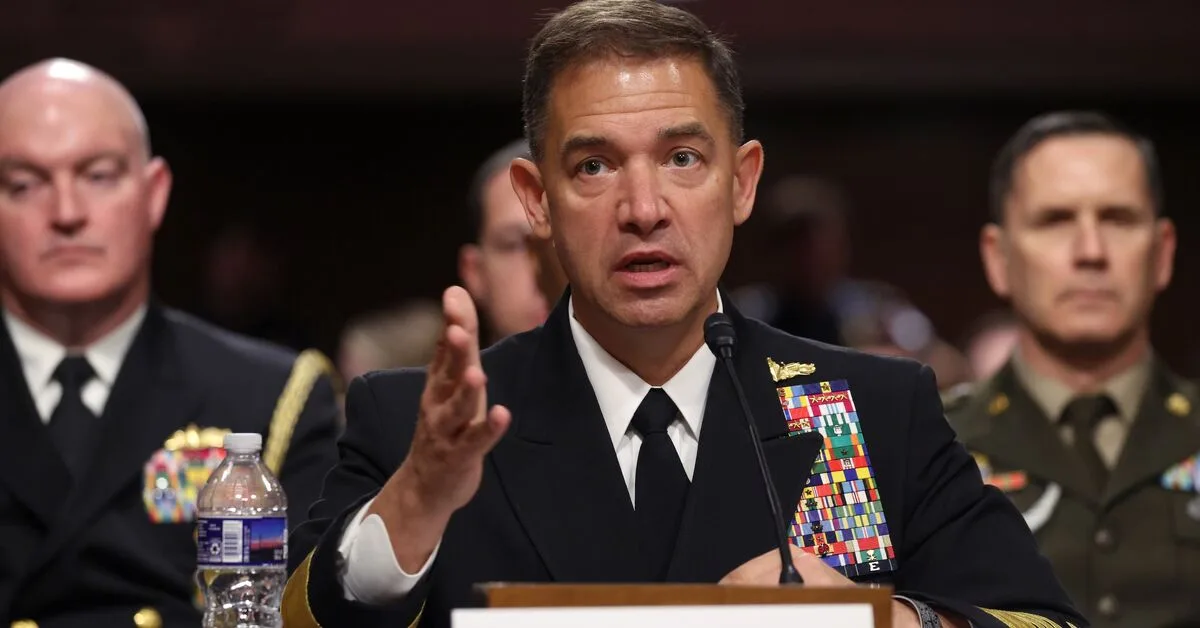
Meanwhile, the official Saudi news agency reported on the meeting between Mohammed bin Salman, the Crown Prince of the country, and Brad Cooper, the commander of CENTCOM, in Jeddah. In this meeting, the two sides discussed the latest regional developments and bilateral relations. Such dialogues indicate the importance of military and security cooperation in the region, which can help reduce tensions and increase security.
As a result, recent developments in the Strait of Hormuz and other points in the Persian Gulf reflect the challenges and opportunities facing regional diplomacy. Given the current conditions, international and regional cooperation to maintain security and stability in this vital region seems essential.
Read more: Iran and the Gulf countries are discussing the Hormuz agreement in Oman · Kuwait Air Force repelled missile and drone attacks in response to Iranian threats