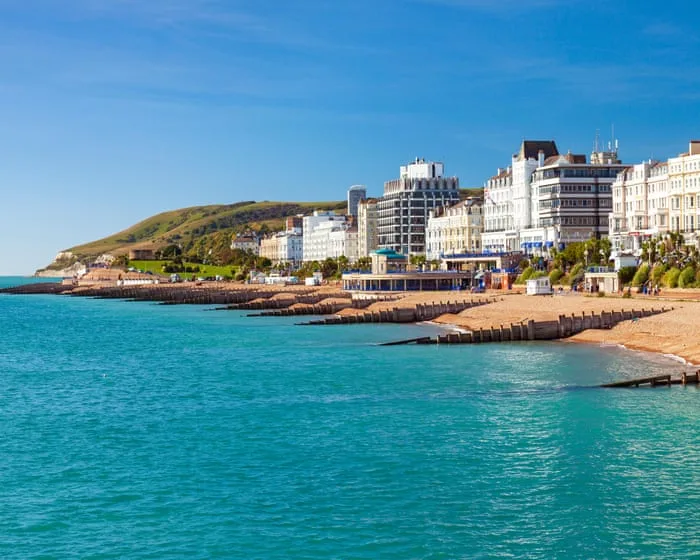
As local governments seek new financial resources to cover public service costs, a new scheme to impose a nightly tax on tourist accommodations in the UK has been approved. This tax, known as the "tourism tax," gives mayors the authority to charge travelers a fee for each night of stay and determine how to invest this revenue.
A Step Towards Better Financial Management
This idea, first proposed during Keir Starmer's government, is similar to a program currently running in Scotland. Given the increasing number of tourists and the need for infrastructure development, this tax allows mayors to allocate the revenue to improve public services, tourist attractions, and local infrastructure.
According to analysts, this change, despite the potential for increased accommodation costs for tourists, could help boost the local economy. However, some are concerned that this tax may reduce the number of tourists and consequently have a negative impact on the tourism industry.
Diverse Reactions to the Tourism Tax Proposal
Opponents of the scheme believe that imposing a tax on tourists could create a negative image of the UK as a tourist destination and drive some travelers to other countries where such additional costs do not exist. On the other hand, supporters of the scheme argue that the tax could help fund local needs and improve service quality.
As more details about this scheme will be announced in the near future, tourists and industry stakeholders are waiting to see what impact these changes will have on travel and the local economy. Will this tax help improve infrastructure and tourism services, or will it simply place a new financial burden on travelers? This is a question that time will answer.