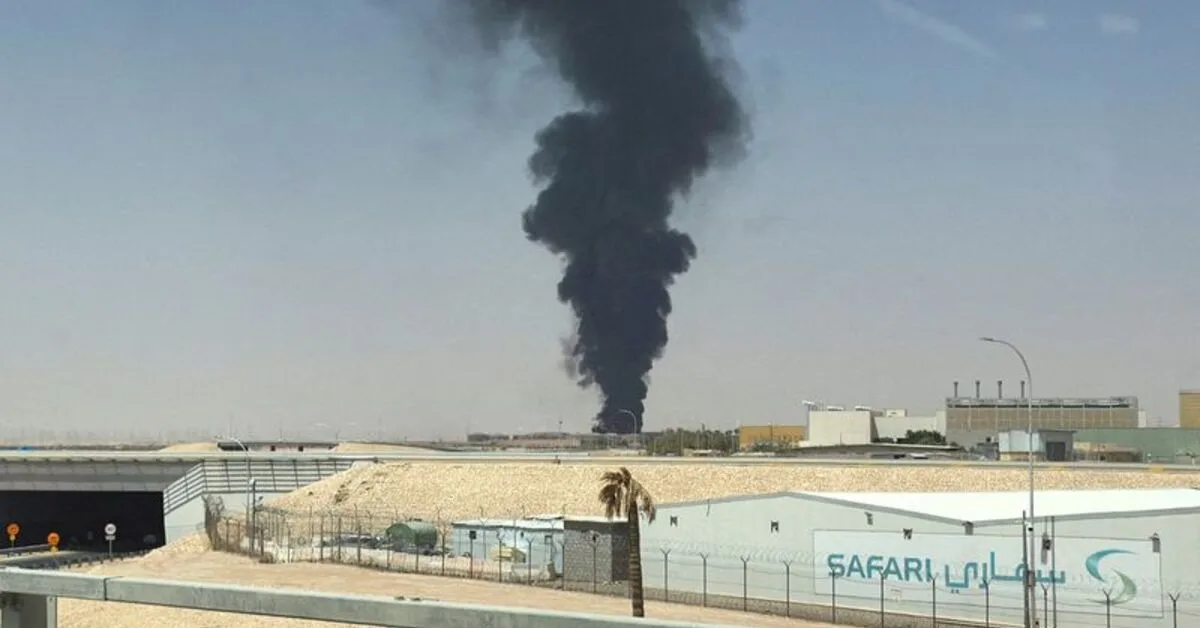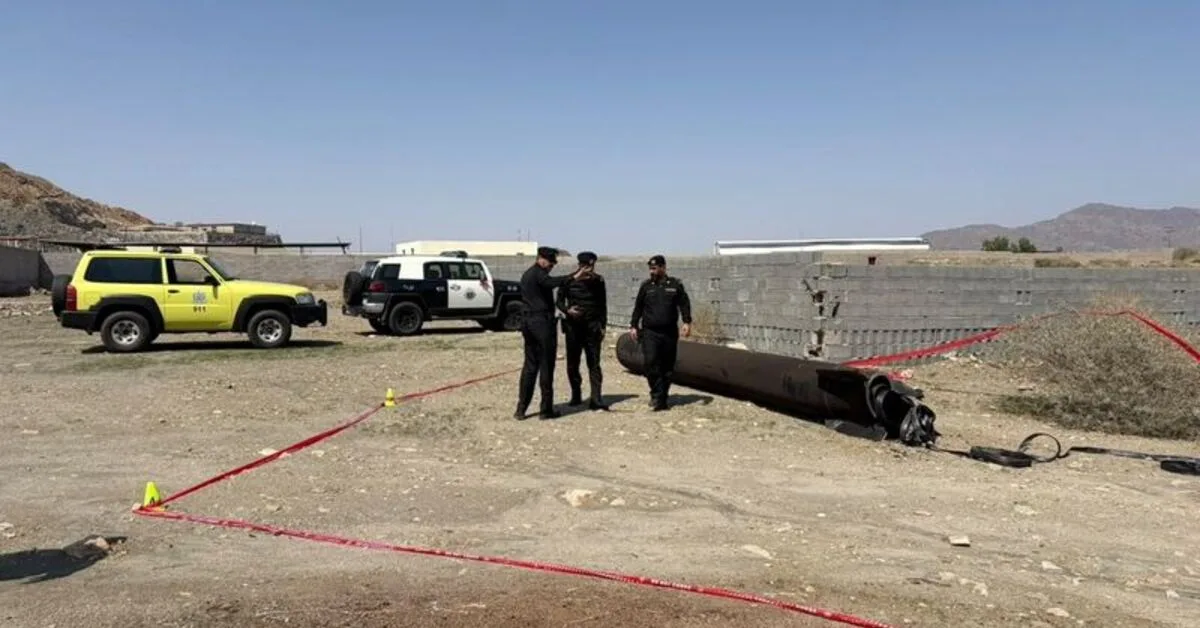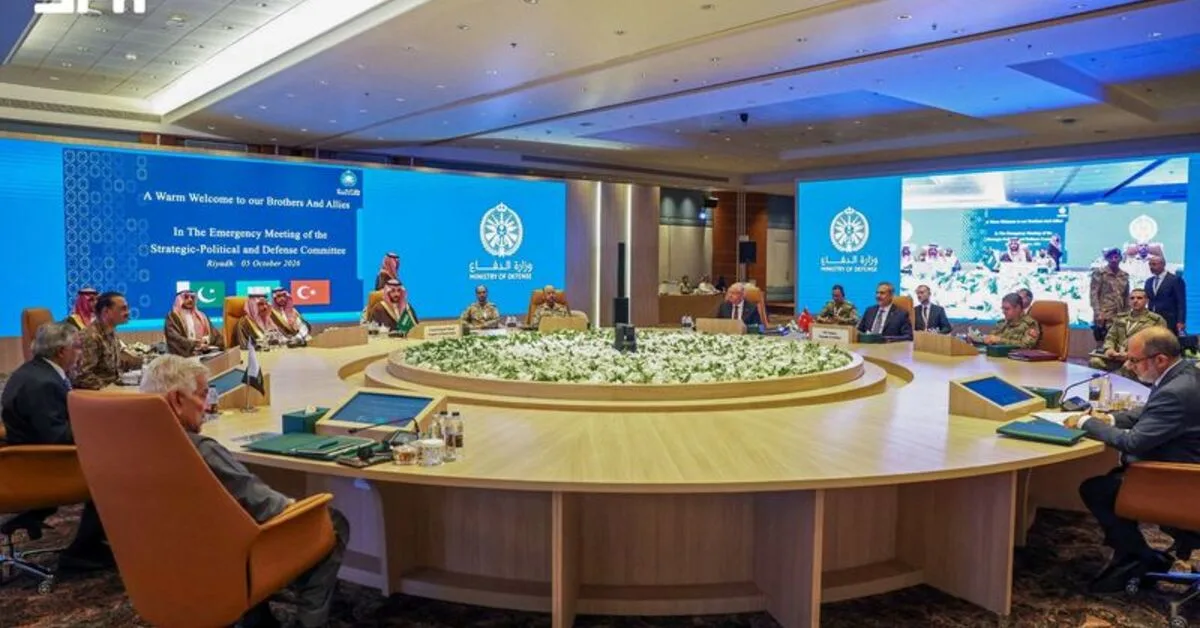
In recent days, the Strait of Hormuz has once again become the focus of international attention. The United States and Iran continue to exchange verbal attacks following Iran's seizure of an unmanned submarine. These incidents occur as President Donald Trump believes that the end of the Iran war will lead to a rapid decrease in oil prices.
Escalation of Tensions in the Strait of Hormuz
Tensions in the Strait of Hormuz, one of the world's most important strategic points, have always been in the spotlight of media and analysts. The seizure of an unmanned submarine by Iran has prompted a response from the United States, and speculation about the repercussions of this action is intensifying. Trump, confident that oil prices will decrease if the war ends, seems to intend to exert more pressure on Iran.
Economic Impacts of Crises
Political and military crises in the Middle East directly affect oil prices. Trump, noting that the oil market is heavily influenced by these conflicts, has expressed hope that with the reduction of tensions and the end of the war with Iran, prices will decrease rapidly. These statements come as economic analysts closely monitor regional developments and are concerned about the economic repercussions of these tensions.
Given the importance of the Strait of Hormuz in oil transportation, any change in the political status of this region could have widespread consequences for the global oil market. In this context, the United States' response to Iran's actions in the Strait of Hormuz, as a key element of Trump's foreign policy, could lead to a reshaping of the oil market.