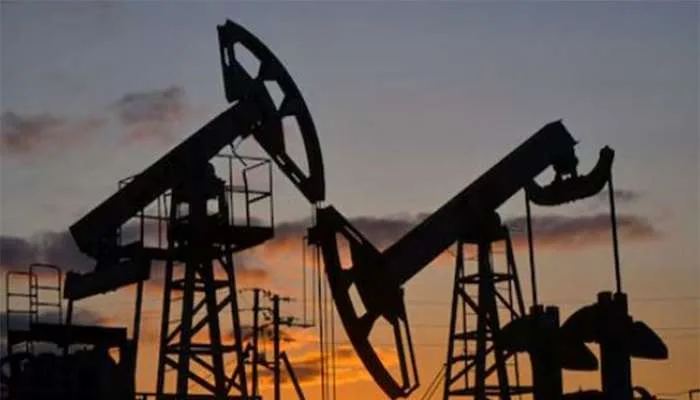
In a surprising turn of events, oil prices in futures trading have surpassed $100 per barrel, a sudden increase driven by concerns over supply in the Gulf. This situation has not only fueled oil price volatility but has also affected other markets.
A Report on Price Increases
Crude oil prices on the NYMEX have significantly increased, reaching $100.60 per barrel. This price rise is due to growing concerns about potential disruptions in oil supply from producing countries in the Gulf. It appears that these price increases stem from political and military tensions in the region, which could directly impact trade flows.
Additionally, the prices of refined products are also on the rise. The price of ULSD (Ultra-Low Sulfur Diesel) for October has increased by 21.43 cents to $5.0153 per gallon. Furthermore, the price of RBOB (Regular Gasoline) has risen by 14.44 cents, reaching $3.355 per gallon. These market fluctuations reflect the direct impacts of rising oil prices on transportation costs and consumers.
Economic Consequences
The global economy is currently facing significant challenges, and this rise in oil prices could have widespread repercussions. Oil-dependent countries will face serious issues in meeting their domestic needs, which could lead to price increases in other sectors. Particularly in countries reliant on oil imports, this price surge could result in inflation and social discontent.
Ultimately, given the current conditions, the future of the oil and energy market will be heavily dependent on political and economic developments in the Gulf region. Therefore, investors and analysts must closely monitor international interactions and the state of supply and demand.