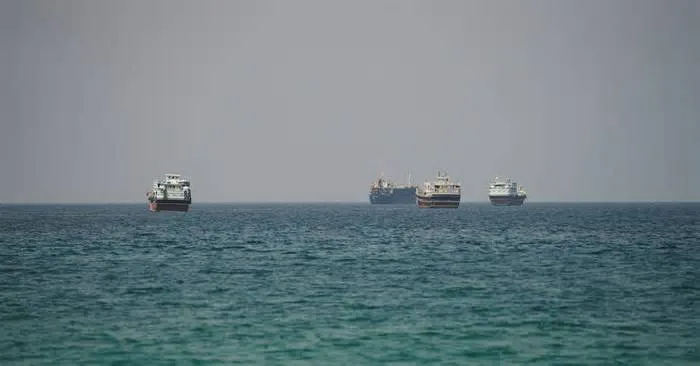
As tensions in the Persian Gulf have sharply increased, reports indicate that one third of the crude oil in this region is still missing. With the onset of "dark crossings" through the Strait of Hormuz, ships have begun to move without sending identification signals to stay safe from potential Iranian attacks. This tactic is actually employed to reduce risk and ensure greater safety for crude oil supply.
Worrying Statistics on Middle Eastern Crude Oil
Recent statistics show that the amount of oil flowing from the Persian Gulf to global markets is highly variable. While dark crossings not only increase security challenges but also fuel distrust in global markets. In fact, this situation contributes to the emergence of a new energy supply crisis that could impact global oil prices.
Economic and Political Consequences
Oil is a strategic commodity, and the disappearance of one third of it could have dire consequences for energy-dependent economies. Oil-producing countries, especially in the Middle East, must come to terms with the harsh reality that their oil supply security is at risk. This issue could also escalate tensions between different countries and influence political decision-making.
The future of Persian Gulf oil is shrouded in uncertainty. Will dark crossings become a permanent method, or is this situation merely a temporary crisis? The answer to this question depends on the careful monitoring of policies and developments in the future. In any case, everyone must be prepared for the consequences of this alarming situation.