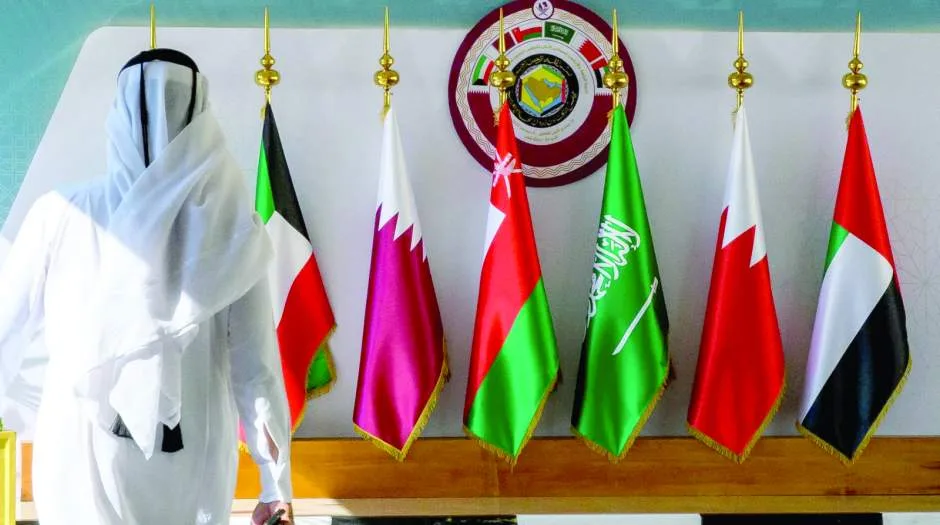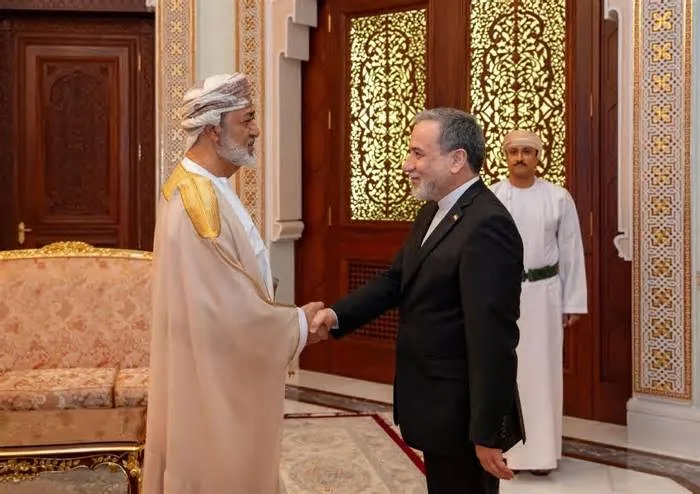
The meeting between Iran and its neighbors, which was supposed to be held in Salalah, Oman, has been postponed due to unsuitable conditions. This meeting was planned to discuss arrangements related to shipping and transit routes through the Strait of Hormuz and to improve relations between Iran and the Gulf Cooperation Council countries.
Salalah Meeting and Its Impacts
Iran, Iraq, and the Gulf Cooperation Council countries were supposed to sit around a table and find solutions for managing the security crisis in the Gulf. However, at the last moment, Badr al-Busaidi, the Foreign Minister of Oman, announced that the meeting has been postponed to a later date to create "suitable conditions" for constructive dialogue. This surprising decision was made at the request of Saudi Arabia and somewhat reflects the existing pressures and distrust in the relations between Iran and its neighbors.
Read more: The War Between America and Iran; Political Troubles for Trump and the Doctor
This meeting was highly anticipated as an opportunity to return to diplomacy after months of tension and attacks on energy infrastructure. However, now, the failure to hold it raises concerns about the future of relations between Iran and Arab countries. In this context, Ismail Baqaei, the spokesperson for the Iranian Foreign Ministry, emphasized that the postponement of the meeting is directly related to the request of Saudi Arabia.
Absence of Mohammad Eslami in Vienna
On the other hand, Mohammad Eslami, the head of Iran's Atomic Energy Organization, who was supposed to attend the IAEA General Conference in Vienna, missed the meeting due to UN sanctions. Eslami's name has been listed in the annex of Security Council Resolution 1803 since 2008, and with the re-imposition of sanctions in 2025, his travel restrictions have been activated again.
As a member of the International Atomic Energy Agency, Iran is calling for conditions to be created for its official representatives to attend this meeting. Reza Najafi, Iran's ambassador to Vienna, has protested this issue and considered Eslami's absence a violation of Iran's rights as a member of the agency. On the other hand, American officials believe that Eslami is subject to Security Council sanctions and there is no reason to grant him a travel exemption.
Consequences of Recent Developments
These two events simultaneously indicate the increasing limitations in Iran's diplomacy. As economic pressures and sanctions continue with the aim of changing Iran's behavior, the closure of diplomatic channels and the inability of Iranian officials to attend international meetings lead to a fundamental contradiction in international relations.
In fact, the intensification of crises in both security and nuclear areas has severely restricted the diplomatic space and is concerning. This trend is dangerous not only for Iran but also for neighboring countries, as the reduction of official channels leads to an increase in the role of intermediaries and indirect messages, which can fuel further tensions.
Read more: The U.S. Stock Market: Facing Fear and Vulnerability Ahead of Elections · Bangladesh's Foreign Minister Emphasizes Positive Relations with India Ahead of Prime Minister's Visit