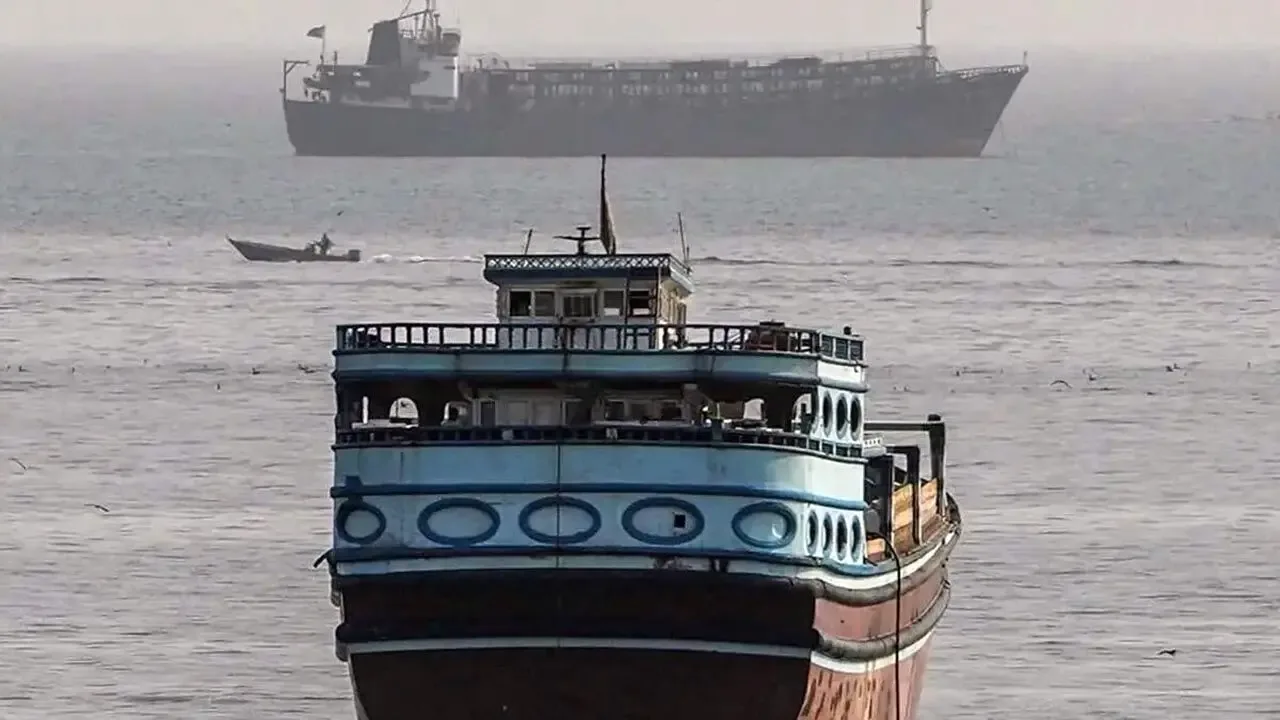
The postponement of the Salalah meeting in Oman is due to the coincidence of several complex factors related to the Strait of Hormuz and the role of coastal countries. This meeting was delayed due to Saudi Arabia's objection to the proposed text, Bahrain's non-participation, the joint decision of Iran and Oman to postpone, U.S. pressure on Oman, and Washington's stance to keep the issue of Hormuz out of negotiations with Iran.
Conflicting Positions and Their Impacts
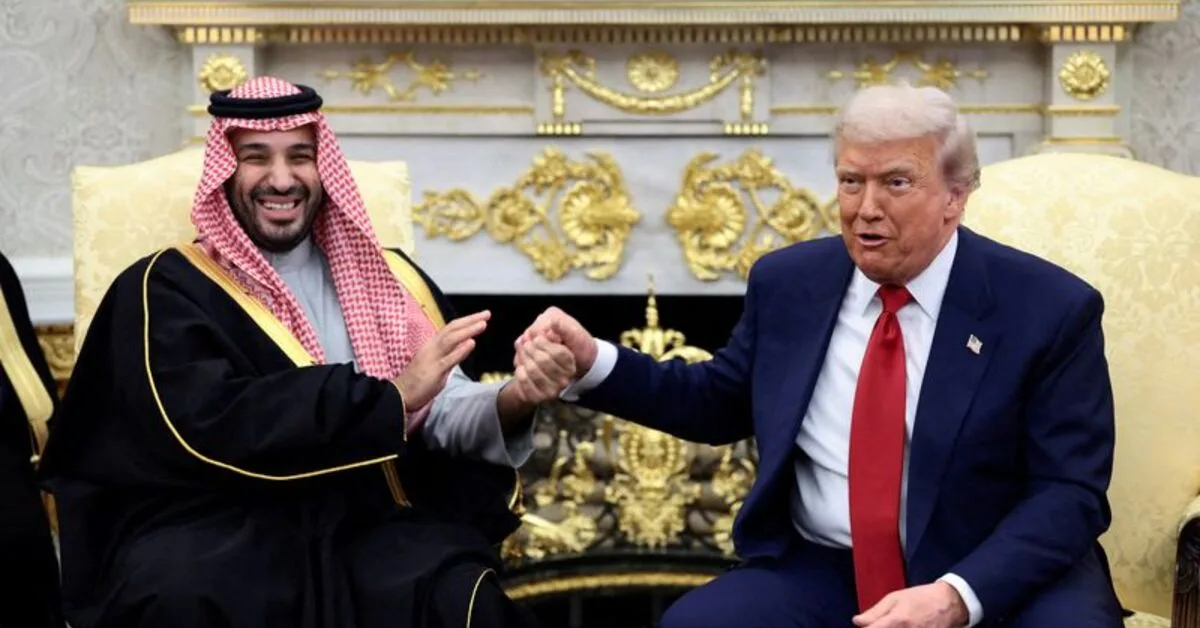
Saudi Arabia's objection to what it considered "the establishment of a new status quo in Hormuz" was the direct cause of the meeting's postponement. In this context, the conflict between two approaches regarding the role of coastal countries and U.S. considerations regarding not turning the Hormuz issue into an official negotiation with Iran complicated the situation. In fact, what was postponed in Salalah is not the essence of the understanding between Iran and Oman, but rather the process of announcing and operationalizing it.
Read more: China asks Iran and the U.S. to reopen the Strait of Hormuz
According to reports, Saudi Arabia raised objections to the proposed text by Iran and Oman in the final stages and requested amendments. Riyadh's main concern was that the proposed text would effectively establish a new status quo in Hormuz. At the same time, Bahrain has also stated that it will not participate in a collective meeting with Tehran until diplomatic relations with Iran are restored, indicating a lack of a unified approach among the Arab Gulf countries.
Upcoming Challenges and Future Outlook
Iranian officials have emphasized that the postponement of the meeting occurred at the request of some regional countries and based on a joint decision by Iran and Oman. The Omani Foreign Minister has also stated that the purpose of the postponement is to create a greater consensus. Meanwhile, the Iranian Foreign Ministry has announced that the understanding between Iran and Oman as two coastal countries has been finalized, and consultations regarding how to announce or register it will continue.
The postponement of the Salalah meeting can be seen as a sign of the difficulties in reaching an agreement on new rules for Hormuz. This situation indicates that Saudi Arabia, by objecting to the text, Bahrain, by not participating, and U.S. pressures have limited Oman's maneuvering space. Despite these challenges, Iran and Oman emphasize the finalization of their understanding, which could pave the way for a new transformation in regional diplomacy.
Read more: Trump's conversation with Gulf Arab leaders about the Iran war · Amazon: Iranian drone attacks on data centers led to permanent data loss