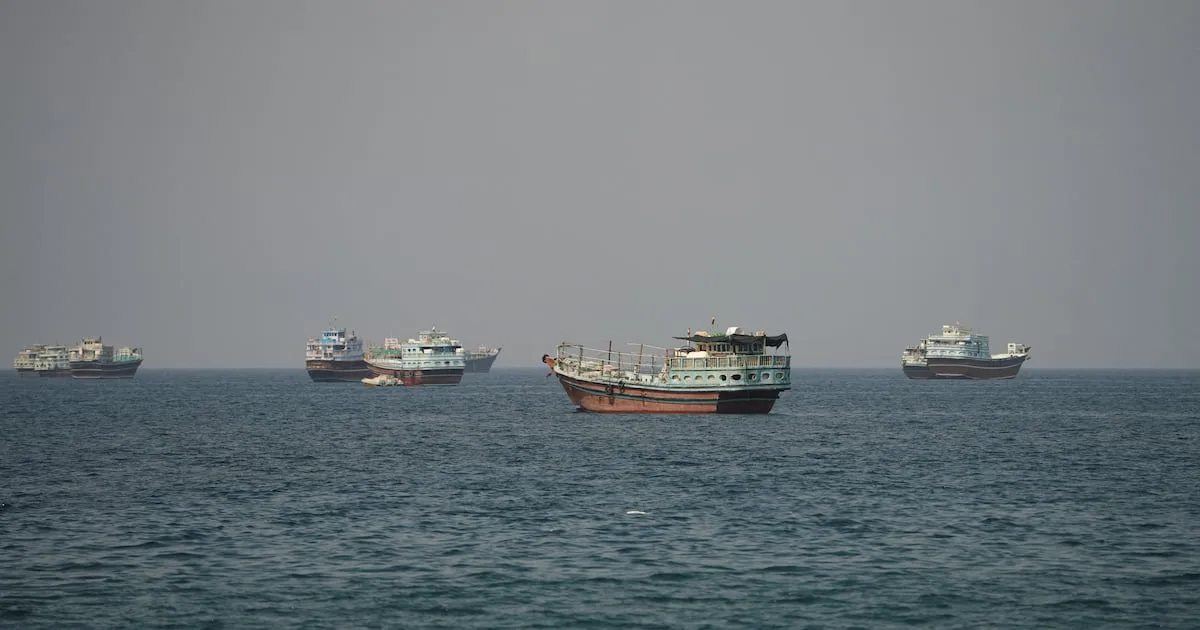
Shipping traffic in the Strait of Hormuz, one of the most important maritime passages in the world, has alarmingly decreased. According to preliminary data, the number of ships passing through this strait reached only seven on Wednesday, while this figure was 12 on Tuesday. This sudden decrease indicates a worrying trend in one of the most critical shipping points in the world.
Impact on the global market
Considering that the Strait of Hormuz is on the route of about 30 percent of the world's oil, the severe reduction in shipping traffic could have serious consequences for the global energy market. This decline, which is particularly noticeable compared to the 10-day average of 14 ships, could raise new concerns about oil supply security and global prices.
This change in shipping traffic not only affects supply and demand but could also lead to price increases in the global market. In a situation where many countries are dependent on oil imports, any disruption in this route could trigger economic and political crises on a global scale.
Concerns about the future
Given the current situation, many analysts are looking into the reasons for this decrease. Is this reduction due to political tensions in the region, or are other economic factors influencing shipping? In any case, this trend requires closer attention and examination.
While the Strait of Hormuz remains a vital hub for global trade, the decrease in shipping traffic could be a warning sign for the countries involved in this area. Experts believe that increased monitoring and security in this strait could help maintain balance in the global market.