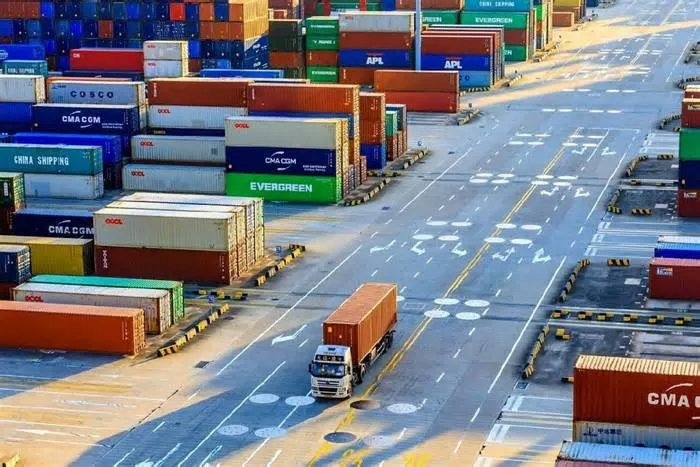
In 2025, the trade balance of countries has remarkably changed, displaying different images of the status of various economies in global trade. Countries with significant trade surpluses, especially those rich in energy resources, are shaping a new economic order. Meanwhile, countries that are heavily reliant on imports are facing substantial deficits that threaten their economic future.
Trade Surplus; Energy Champions
Energy-centric economies, relying on natural resources and oil and gas exports, have managed to create significant trade surpluses. These surpluses enable them to be more resilient against global economic fluctuations and make substantial investments in infrastructure and other industries. In this context, Gulf countries, as leaders in this field, play a significant role in the global market by achieving balance in their trade balances.
Trade Deficit; Economic Challenges
In contrast, countries with high trade deficits, particularly those with a strong dependence on imports, face serious challenges. These countries are forced to increase foreign debts and reduce foreign currency reserves to meet their needs. This situation can lead to economic and social instability and, in the long term, cause serious damage to the economies of these countries.
But what is Iran's position in this equation? Despite its high economic potential and natural resources, Iran still faces numerous challenges in foreign trade. Sanctions, currency fluctuations, and infrastructural problems have all impacted Iran's trade balance, pushing it towards a deficit. However, if Iran can effectively utilize its resources and expand its trade relations, it could become one of the key players in global trade.
Ultimately, the trade balances of countries in 2025 not only reflect their economic status but also signify the opportunities and challenges ahead for the world. Can Iran take advantage of these opportunities, or will it remain among the countries with trade deficits?