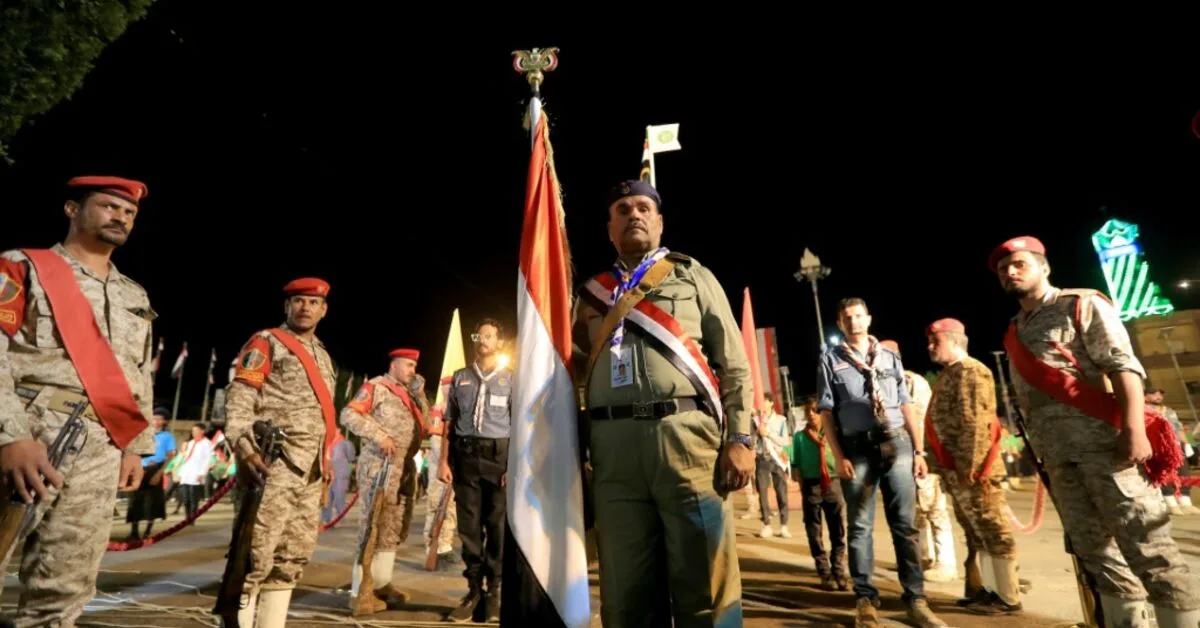
The UN Security Council condemned the escalating Houthi attacks from Yemen on Saudi Arabia on Friday in a rare move. The council stated in a statement that these attacks constitute a serious violation of international law and a threat to regional security.
Maritime blockade and its impact on the energy market
The Houthis have imposed a maritime blockade on Saudi Arabia, attacking oil tankers and the territory of this country, and have taken control of vast areas of the Yemeni Red Sea coast. These coasts, due to their high importance for Saudi oil exports, are at significant risk, and these actions have led to an increase in energy prices in the global market.
The Security Council's emphasis on international law
The Security Council emphasized the importance of acting in accordance with international law, especially the UN Convention on the Law of the Sea, and urged the Houthis to immediately refrain from military escalation and attacks against civilians and civilian infrastructure. This statement clearly reflects the Security Council's concern over the rising tensions in the region and their impact on international security.
The governments of Washington and its allies, including Saudi Arabia and the Yemeni government supported by Saudi Arabia, accuse Iran of financing and supporting the Houthi militia movement. Meanwhile, Iranian President, Masoud Pezeshkian, rejected these accusations on Thursday, stating: "The Houthis are responsible for their actions."
In the meantime, Iran's expanding influence over two key waterways that the Gulf region, including Saudi Arabia as the largest oil exporter, depends on has fueled security concerns. This issue, which affects the balance of power in the region, could lead to increased tensions among countries.
In conclusion, the Security Council, by issuing this statement, demonstrated that the international community is not indifferent to the developments in Yemen and their impact on regional security and the global economy, and emphasizes the necessity of respecting international law and protecting civilians.