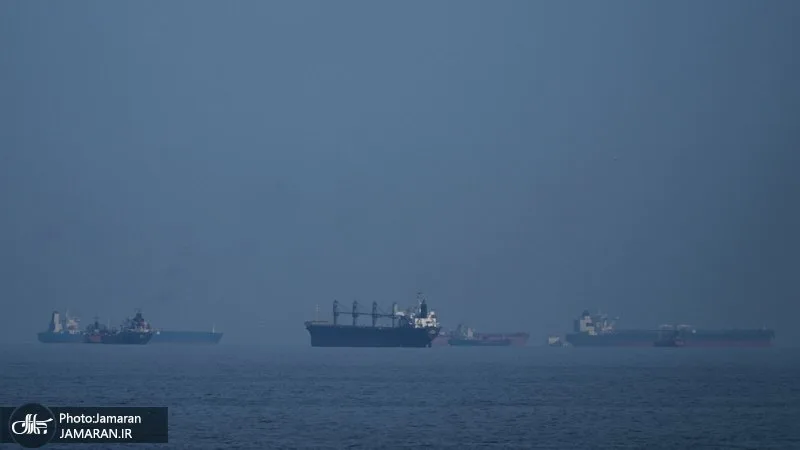
After the United States failed to resolve the crisis it created in the Persian Gulf through military means, it has now decided to use a tool that has been employed for decades, namely the imposition of sanctions and economic pressure. Economic sanctions, as one of the tools of U.S. foreign policy, clearly reflect this country's approach in dealing with international crises.
Global Consequences of Sanctions
These sanctions will not only negatively affect the Iranian economy, but their effects will also be directly felt in global markets and international trade relations. Given the economic dependencies of various countries on oil and gas from the Persian Gulf, sanctions could lead to increased energy prices and fluctuations in global financial markets.
The imposition of these sanctions indicates the U.S. effort to isolate and weaken Iran on the international stage. However, the main question is whether this approach can lead to a change in Iran's behavior? Or will it only exacerbate tensions and crises?
It seems that this time the United States, considering past experiences, intends to use economic sanctions as a tool for controlling and managing crises. However, this approach also faces criticism. Many analysts believe that sanctions may not achieve their intended goals and could instead intensify crises and increase tensions.
Future Outlook
As the new sanctions come into effect, we should expect reactions from Iran and other countries to these pressures. Can Iran cope with these challenges? Will other countries assist Iran in the face of these sanctions?
The conclusion is that U.S. economic sanctions have gone beyond the borders of the Persian Gulf and will have profound effects on the global economy. This situation will be challenging not only for Iran but for all countries that are in some way involved with these sanctions.