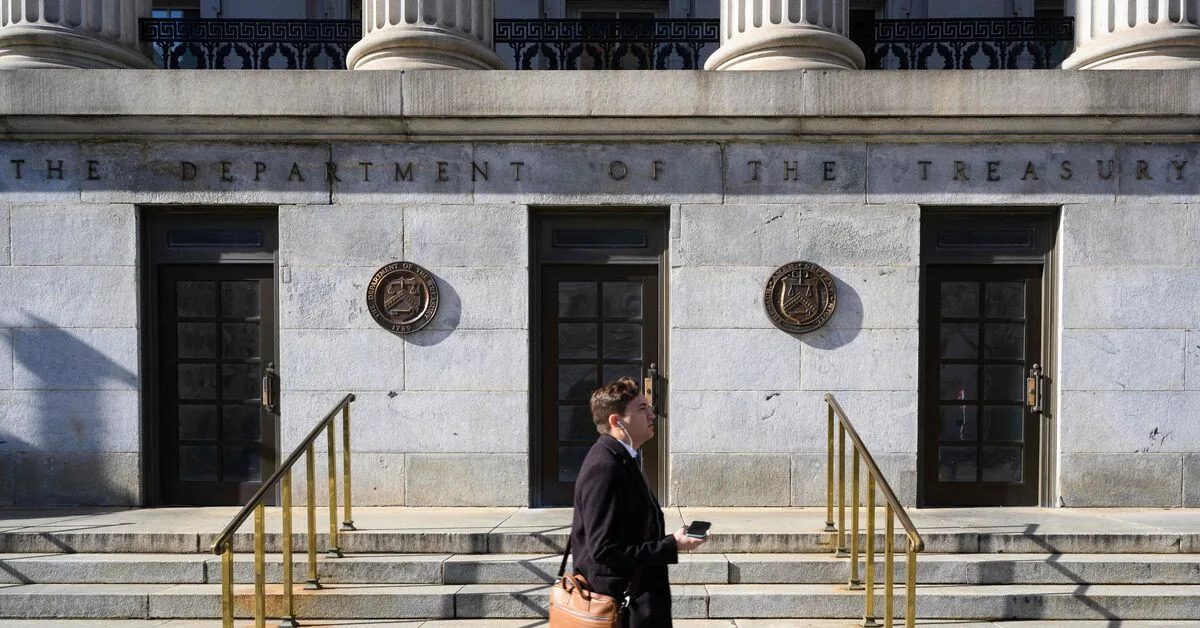
On Thursday, the U.S. Department of the Treasury took another step in applying economic pressure on the Iranian regime and its financial supporters by sanctioning the Iranian cryptocurrency exchange Bitbank. This action is part of a broader campaign aimed at preventing the Iranian regime from being financed through cryptocurrencies.
Details of the Sanctions
The Office of Foreign Assets Control (OFAC) of the Treasury Department identified Bitbank as an advanced digital assets project controlled by Babak Zanjani, a previously sanctioned financier. Additionally, the developer of Bitbank and three of Zanjani's associates were also included in these sanctions. OFAC stated that Iran's digital marine insurance scheme, known as "Hormuz Safe," has used Bitbank to transfer payments belonging to the Iranian regime.
Read more: Masoud Behnoud Returns to Iran
Consequences of the Sanctions
Scott Basset, the U.S. Secretary of the Treasury, stated in a statement that the latest sanctions clearly demonstrate that efforts to finance the Iranian regime through cryptocurrencies are not beyond OFAC's reach. These sanctions could seriously impact financial trends in Iran as well as its trade relations with countries seeking to cooperate with Iran.
Since the launch of the "Outside the Economic System" operation last month, the U.S. Department of the Treasury has imposed sanctions on financial institutions in Russia, the United Arab Emirates, and Turkey that are suspiciously linked to Iran. However, no banks in China, Iran's largest trading partner and major oil buyer, have yet been blacklisted.
The new sanctions may affect a fragile reconciliation, especially ahead of a meeting between the U.S. President and his Chinese counterpart, Xi Jinping, scheduled for September 24 in Washington. Prior to this summit, Basset is set to meet with Li Feng, the Chinese Vice Premier, this weekend.
Read more: Trump: I Have No Regrets About Starting a War with Iran · Central Bank of Oman Raises Interest Rate by 25 Basis Points