The railway network of the Gulf Arab countries, proposed over two decades ago to enhance trade, tourism, and economic integration among the six member states of the Gulf Cooperation Council, has gained renewed significance due to increasing insecurity and regional instability.
Transportation Challenges and the Need for Railway Development
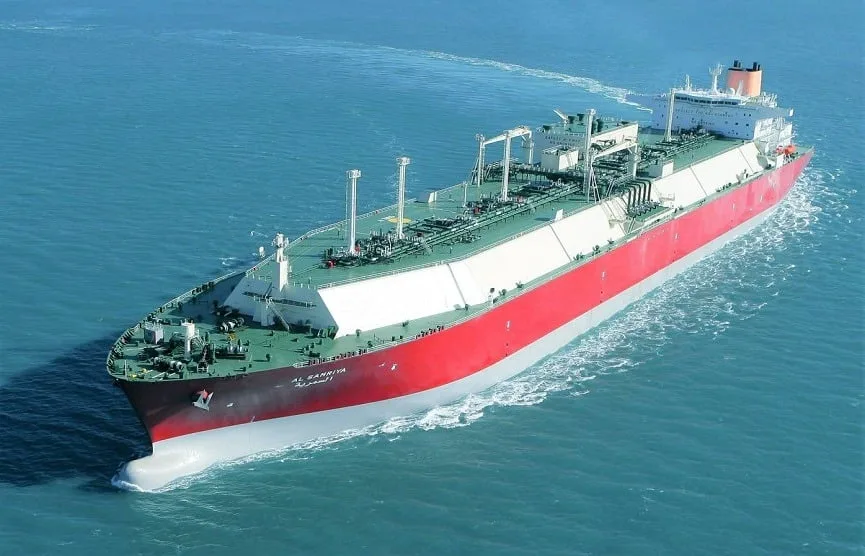
In a situation where the closure of airspace, attacks on ports, or disruptions in maritime routes can hinder the movement of goods and passengers, countries in the region cannot rely solely on maritime and air transport for the transfer of food, medical supplies, industrial goods, and construction materials. Road transport is another important option, but this sector also faces limitations.
Read more: Oman Invites Parties Involved in the Middle East War to Dialogue
In such circumstances, the railway can play a complementary role to road transport and create a land route with higher capacity and greater predictability for the movement of goods and passengers.
Lack of Coordination Among Arab Countries in Building the Railway Network
The idea of creating a Gulf railway network was proposed in the early 2000s, and this network is expected to connect Kuwait through Saudi Arabia, Bahrain, Qatar, and the United Arab Emirates to Oman over a route of approximately 2,100 kilometers. However, progress on this project has not been uniform across different countries, and the infrastructural conditions in the countries along the route vary significantly.
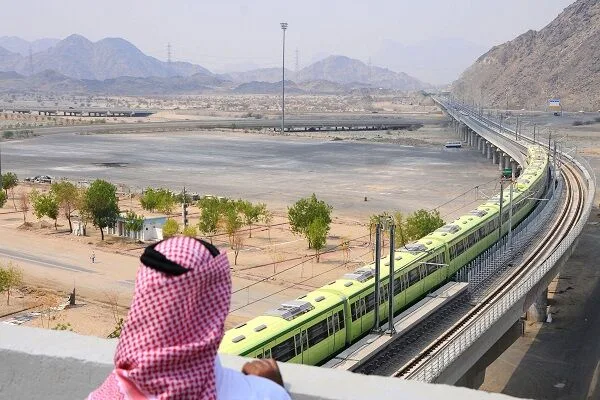
The United Arab Emirates is ahead of other countries with its "Union Rail" network that connects the seven emirates. On the other hand, Kuwait is still in the early stages of constructing its railway network, while Saudi Arabia and Qatar are gradually making progress.
Recent regional developments have highlighted the importance of an integrated land network for the Gulf Arab countries. If completed, the Gulf Cooperation Council railway could reduce dependence on road transport and serve as a backup route during disruptions.
However, completing the railway lines alone is not enough, and the main challenge is to create political and institutional coordination among the six national railway systems. Factors such as differences in technical standards and customs processes can hinder the formation of an integrated network.
The importance of the Gulf railway may extend beyond the borders of the member countries of the Gulf Cooperation Council, and if connected to the ports of the Sea of Oman and railway networks outside the region, it could serve as an alternative option for the movement of goods.
Read more: The U.S. Government Expects Talks with Iran to Resume Next Week · Bahrain's Foreign Minister: The Security of the Gulf is in Unprecedented Conditions