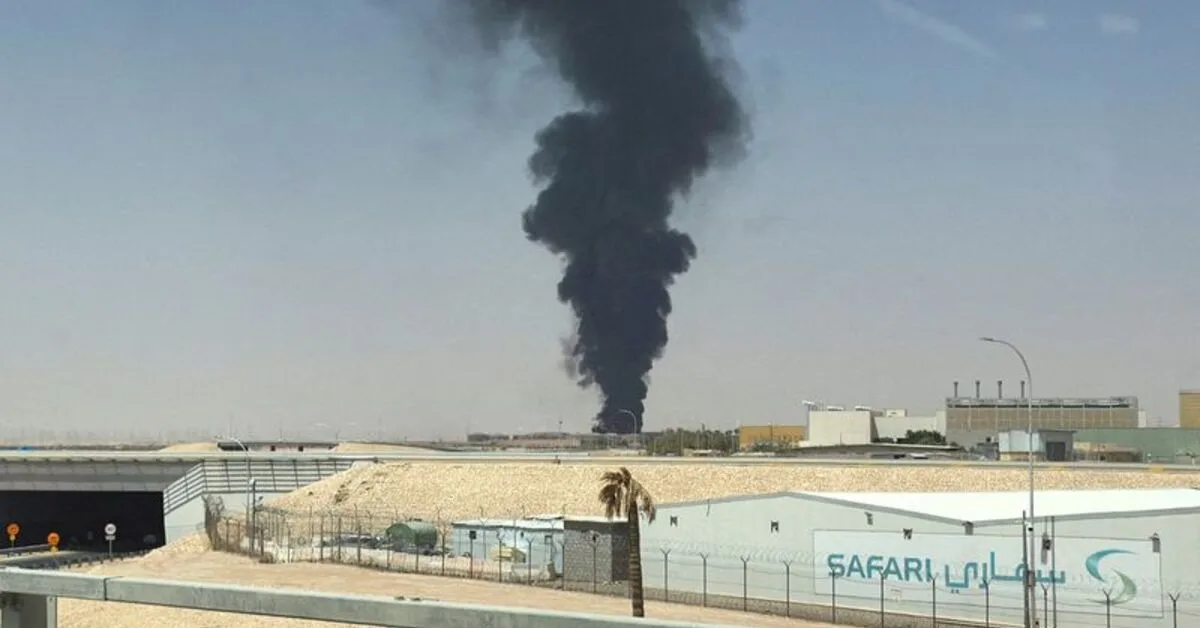
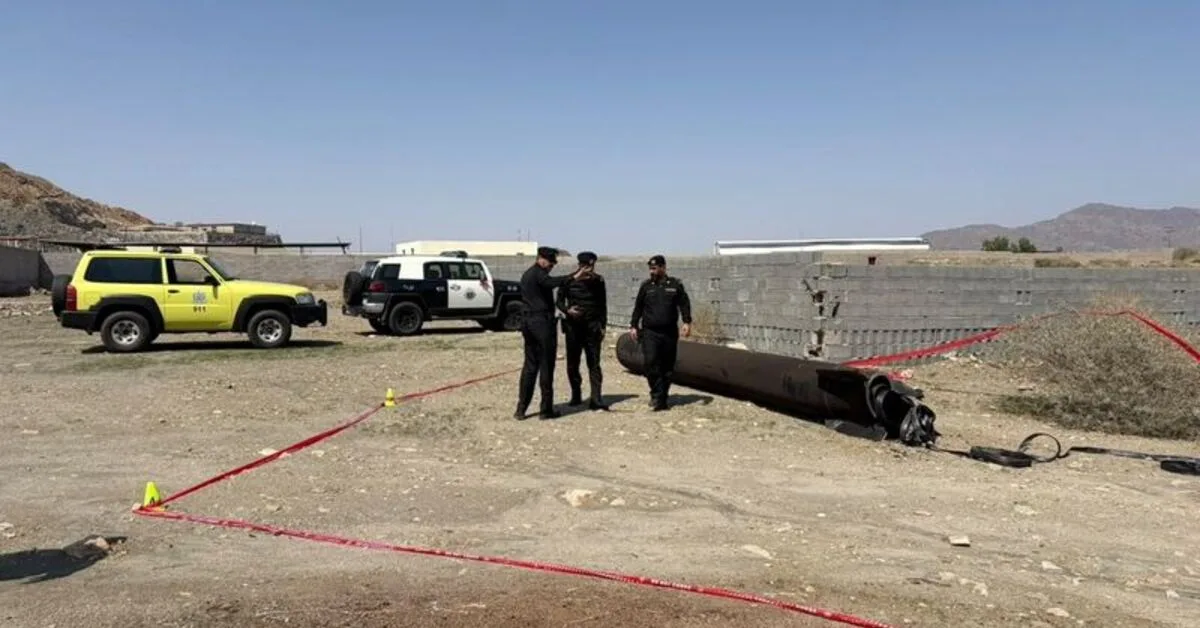
In the Strait of Hormuz, U.S. forces have significantly pressured Iran's oil exports by facilitating the flow of non-Iranian oil. This action comes as tensions in the region remain high, and a war that seems to have no end has led to rising energy prices and weakened American resources.
Economic and Political Impacts
This conflict has not only affected the global oil market but has also heightened concerns about energy security. Given that the Strait of Hormuz is one of the most important oil transit routes in the world, any disruption in this area could have widespread repercussions for the global economy. On the other hand, economic sanctions and military pressures against Iran indicate that the U.S. is seeking to economically weaken this country to achieve its political objectives.
Future Outlook
Although the U.S. has achieved successes in reducing Iran's oil exports, it seems that this conflict will continue. Experts believe that energy prices may continue to rise, and this situation could lead to more challenges for the U.S. government and other countries. While some nations are seeking to de-escalate tensions in the region, it appears that U.S. military and economic actions will persist.
Ultimately, this war has incurred significant costs for both sides, and any hope for its end still seems distant. Given the current situation, it appears that conditions in the Strait of Hormuz will remain critical.