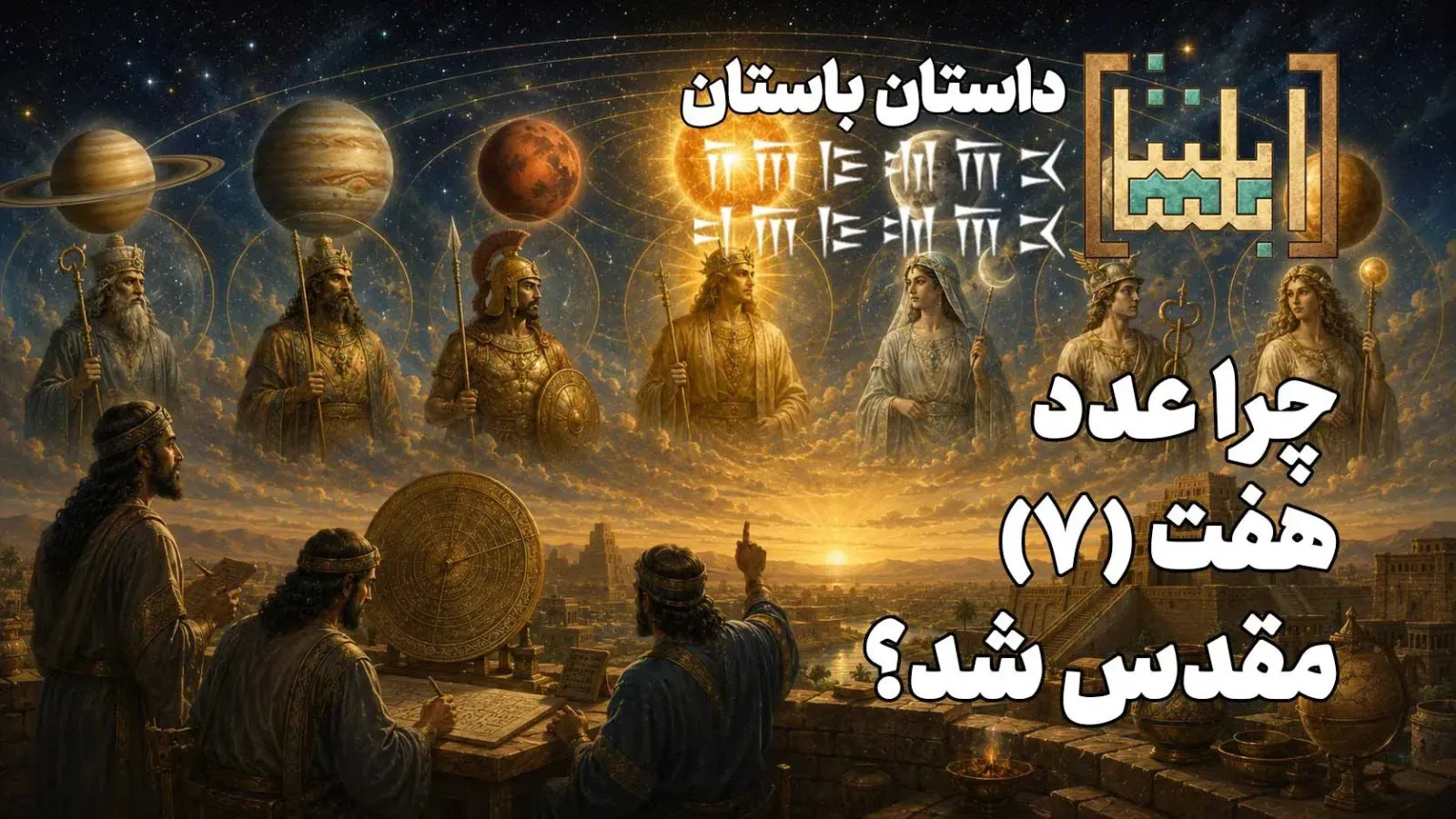
The number 7 is recognized as a sacred number among Zoroastrians, but the reason for this sanctity is not limited to the number 7 alone. In fact, this number holds a special place in the hearts of Zoroastrians because of the existence of seven eternal sacred beings known as 'Haft Spand'. These beings, known as the Amesha Spentas, act as protectors and guardians of the world and are positioned alongside Ahura Mazda, the creator of the universe.
The History of the Number 7 in Zoroastrian Culture
The history of the number 7 dates back to ancient times when Zoroastrians believed in the existence of gods and sacred beings. The Haft Spand includes 'Spandarmad', 'Khorshid', 'Atar', 'Baran', 'Hoshang', 'Bahram', and 'Anahita', each representing an aspect of life and nature. These beings are not only recognized as religious and spiritual symbols but also play a significant role in the daily lives of Zoroastrians.
However, what is interesting today is the regret that Iranians have regarding this sacred number. Over time and with changes in social and cultural conditions, the connection of Iranians with these sacred symbols has diminished. In fact, many Iranians today are seeking to find a deeper meaning of this number and to reconnect with their cultural and religious roots.
Khunirath; One of the Sevens
'Khunirath', as one of the seven sacred beings, represents the hopes and aspirations of Iranians in a way. This being is recognized not only as a religious symbol but also as a symbol of the cultural and national identity of Iranians. Now, many Iranians are looking to rediscover this identity and connect with their rich culture.
Considering the fact that many young Iranians have distanced themselves from their cultural roots, a return to these symbols and cultural sanctities could be a way to revive national and religious identity. The number 7 and its sacred beings may serve as a bridge for Iranians to reconnect with their ancient history and culture.