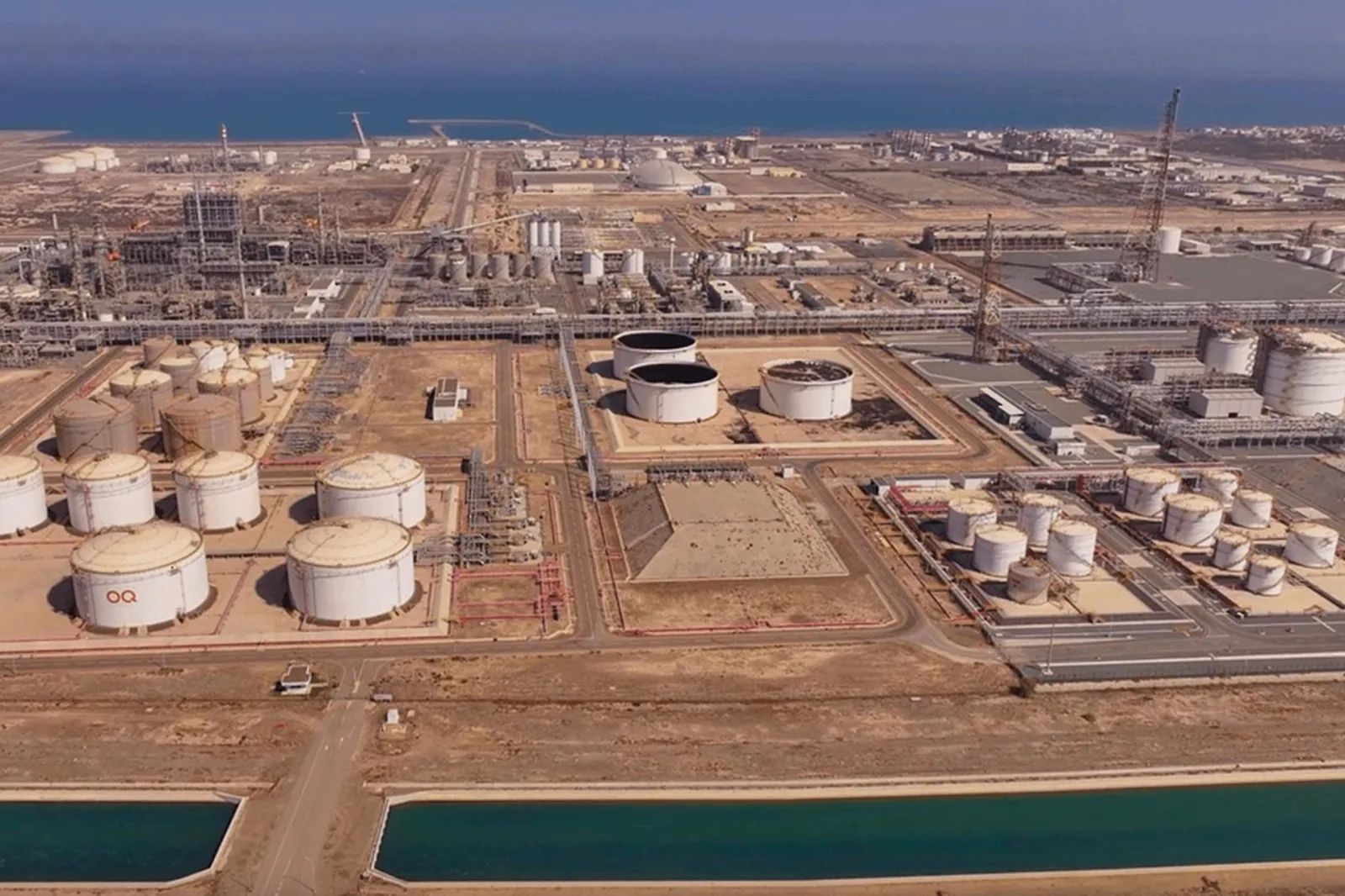
The 32.7% increase in producer prices in Oman in the second quarter of 2026 compared to the same period last year marks a significant development in the economy of this country. This increase is particularly due to rising prices of crude oil, natural gas, and petroleum products.
Producer Price Index (PPI) and Its Impact on the Economy
The Producer Price Index (PPI) serves as an economic indicator that measures the average changes in prices received by local producers at the point of sale (i.e., wholesale or factory gate prices). This index acts as a sign of future developments in the Consumer Price Index (CPI), which means the actual measurement of inflation for the general public.
According to data from the National Center for Statistics and Information of Oman, the mining and extraction group has seen a 31% increase in prices compared to the second quarter of 2025. Additionally, prices of crude oil and natural gas have also experienced a 31.9% increase.
Details of Price Changes in Various Sectors
Moreover, prices of stone and sand products have increased by 0.5%, while prices of metal ores have decreased by 14.3%. In the manufacturing sector, prices have increased on average by 40.3% compared to the previous year, indicating market growth. This increase is particularly due to rising prices in another group of portable goods, which have risen by 55.3%.
Petroleum products have seen the highest increase at 88.2%. Additionally, prices of chemical products have risen by 21.4%. Prices of mineral products, machinery, and equipment have also increased by 31.7%, and prices of products made from iron, steel, or aluminum have risen by 48.9%.
In the food, beverage, and textile sectors, prices have increased on average by 2.8%, and shoe prices have risen by 6.7%. The prices of woven fabrics have also increased by 2.8%.
In the public services sector, the price of water has increased by 4.4% and the price of electricity has increased by 13% in the second quarter of 2026 compared to the same period last year.