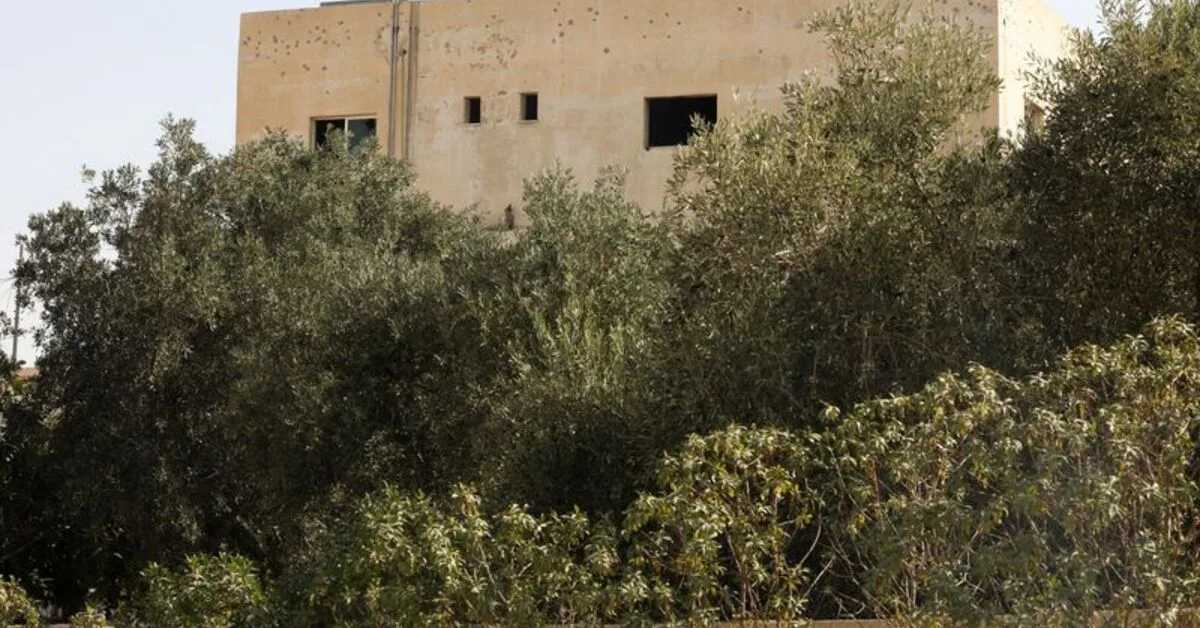
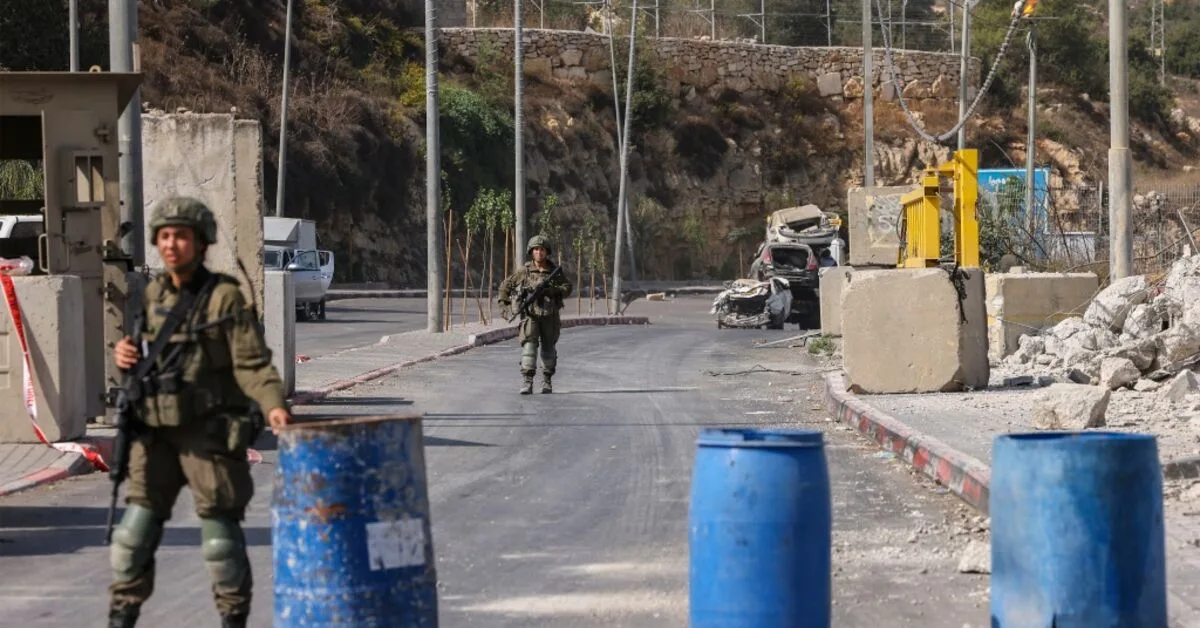
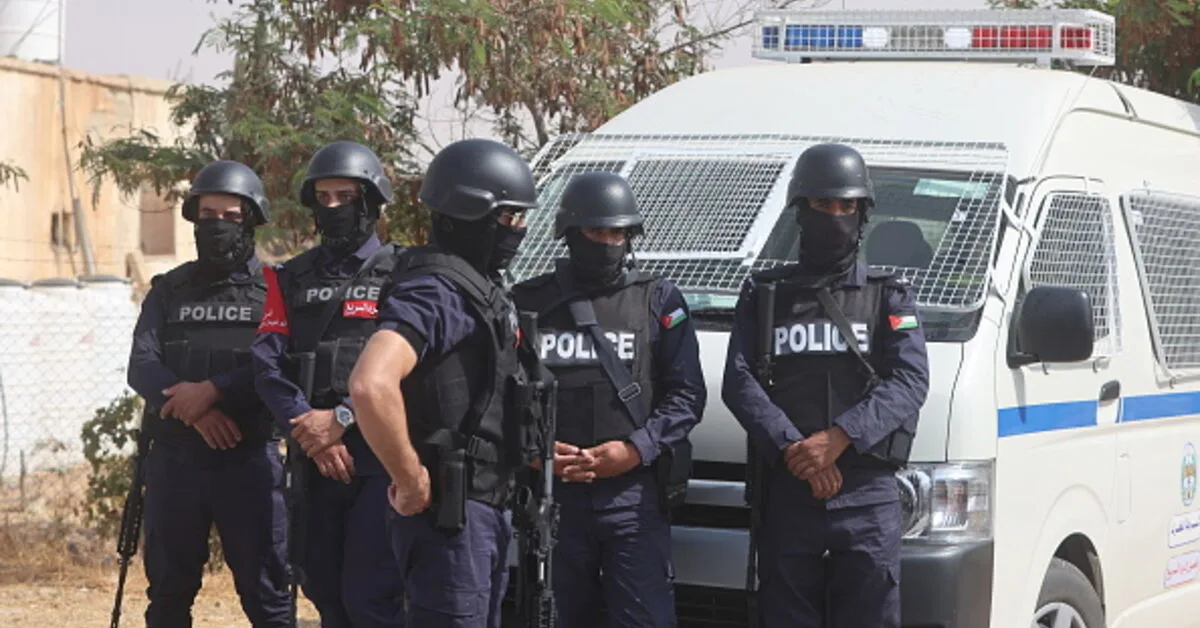
In a controversial move, Israel destroyed a vast network of Hezbollah tunnels in southern Lebanon. This attack is not only considered a military operation but unexpectedly triggered an earthquake with a magnitude of 4.1 in the region. This earthquake, which seems to result from the destruction of underground structures, has raised significant concerns about the security and military situation in Lebanon and its surroundings.
Analysis of Military and Social Consequences
The destruction of Hezbollah tunnels by Israel was part of this country's military strategy to limit Hezbollah's influence and power in Lebanon. This action not only led to a physical earthquake but also sparked a political earthquake in the region. Many analysts believe that this attack could escalate tensions between Israel and Hezbollah and fuel new conflicts in Lebanon.
In recent days, regional and international observers have been closely monitoring developments and predicting that this action may provoke reciprocal responses from Hezbollah and other resistance groups in Lebanon. While Israel is likely seeking to strengthen its position against security threats, Hezbollah is also well aware that this attack could be a turning point in future conflicts.
Given the history of tensions in this region and the background of military conflicts, this Israeli action is viewed not only as a military operation but also as a dangerous game in the complex political and military equations in the Middle East. Many people in Lebanon and neighboring countries are concerned about the consequences of these developments, and it seems that calm in this region has been significantly affected by this event.