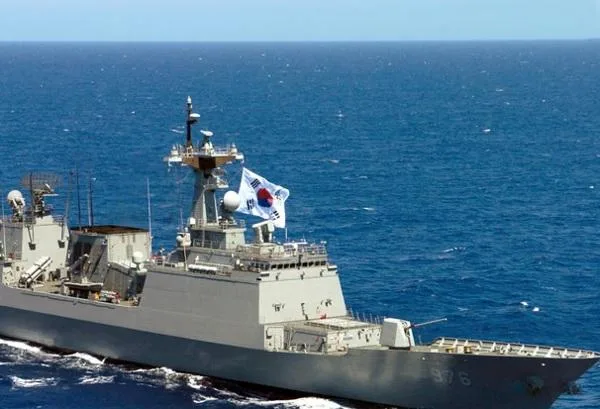
South Korea is examining the expansion of the Cheonghae anti-piracy unit's mission to the waters near the port of Duqm in Oman to protect its economic interests and citizens. This decision comes after international pressures, particularly from some American officials, including Donald Trump, to support the fight against Iran.
Proposal to Parliament and Presidential Approval
The South Korean government intends to present its proposal to Parliament and requires the approval of President Yoon Suk-yeol and the cabinet to implement this plan. The port of Duqm is approximately 650 kilometers away from the Strait of Hormuz and is considered a strategic location.
Read more: India calls for immediate de-escalation after attack on commercial ship in Oman
Non-Military Nature of the Operations
A South Korean Defense Ministry official, who requested anonymity, stated that the aim of this plan is to protect citizens and the country's economic interests. This official emphasized that the operations will have a non-military nature and that the unit's forces will operate independently of American and European forces. Additionally, the activities of this unit will be limited to the international waters south of Oman, and maritime patrol aircraft will not be permitted to target or monitor Iranian territory, its territorial waters, or inside the Strait of Hormuz.
Iran's Warning about Irresponsible Interventions
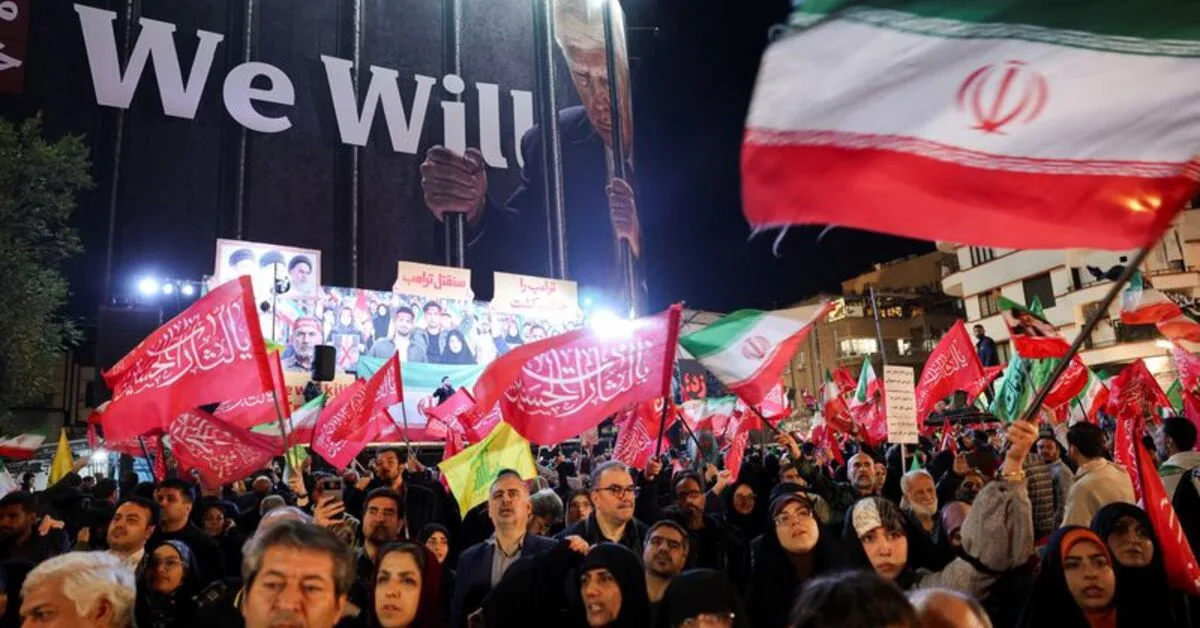
Iran had previously warned about the irresponsible interventions of third parties in the affairs of the Persian Gulf and the Strait of Hormuz. It seems that the expansion of South Korea's mission in this region could escalate tensions and provoke negative reactions from Iran. Meanwhile, South Korea is seeking to ensure the security of shipping lines and protect its citizens in these areas.
Economic and Political Consequences
The expansion of South Korea's anti-piracy mission could have significant implications for its relations with Iran and other countries in the region. This action could be seen as a measure to support international law regarding shipping, but it may also exacerbate existing tensions in the Persian Gulf. The South Korean government must carefully consider this action and its repercussions.