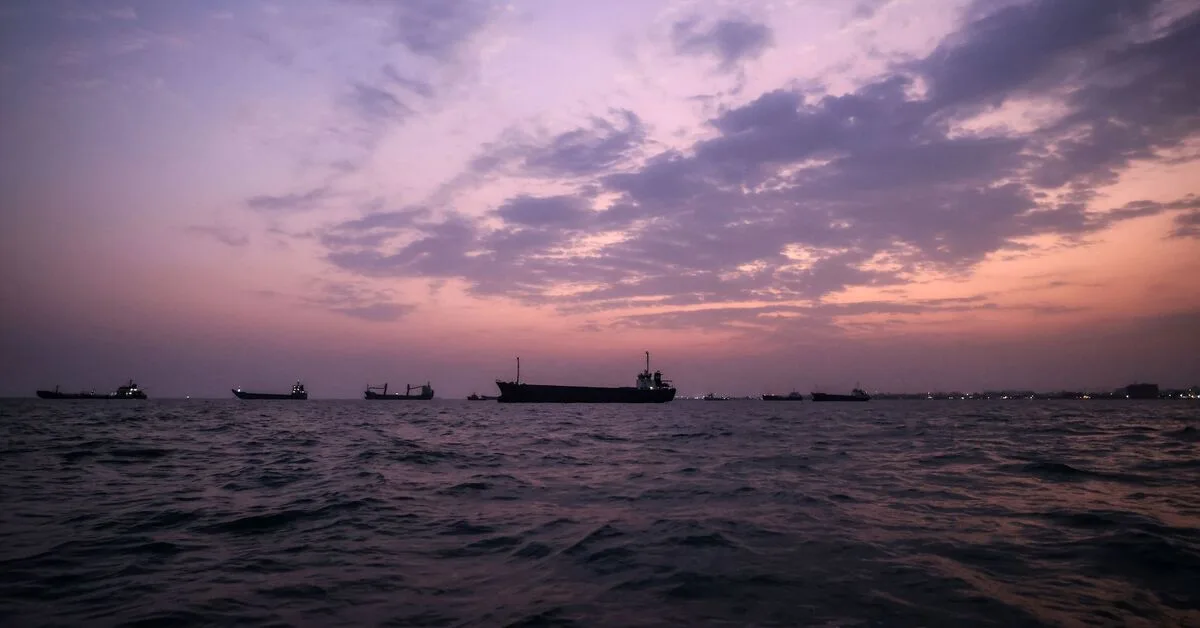
In the past week, at least 12 oil and gas tankers have been attacked in the Strait of Hormuz, raising new concerns about the security of shipping and global oil flows. This information has been obtained from the UK Maritime Trade Operations (UKMTO) and indicates an increase in tensions in this strategic region.
Analysis of Recent Attacks
According to received reports, three tankers were targeted on Friday and two more on Sunday. In one of these attacks, a tanker reported on Monday that a missile struck its engine room, resulting in a fire in that section. This situation poses not only a threat to shipping security in the Strait of Hormuz but could also have negative impacts on global oil prices.
Read more: Fadavi: No American Vessels in the Persian Gulf and the Sea of Oman
The Role of the Islamic Revolutionary Guard Corps
In one reported case, the captain of one of the tankers followed orders issued by the Islamic Revolutionary Guard Corps (IRGC) and turned back. These movements indicate the power and influence of the IRGC in this region and are likely to exacerbate tensions and insecurity in the Strait of Hormuz.
The Strait of Hormuz, as one of the most important shipping routes in the world, carries about 20% of the world's crude oil. Therefore, any disruption in this area could have widespread effects on global markets. Given the increase in attacks and the absence of a military response from the United States, concerns about the continuation of this situation and its consequences have grown.
Global Community Response
In response to these attacks, the global community is closely monitoring the situation. Analysts believe that a lack of swift and decisive action from the United States could lead to heightened threats and further conflicts in this region. Additionally, this situation may motivate other countries to play a role in this crisis.
Ultimately, the continuation of these attacks could negatively impact the stability of oil markets and lead to severe price fluctuations. Therefore, the need for a diplomatic solution and management of tensions in this region is felt more than ever.
Read more: Dmitry Medvedev: The Security of the Persian Gulf Does Not Require the Presence of the U.S. · Pezeshkian: The Security of the Persian Gulf and Its Waterways Depends on the Responsibility of Regional Countries