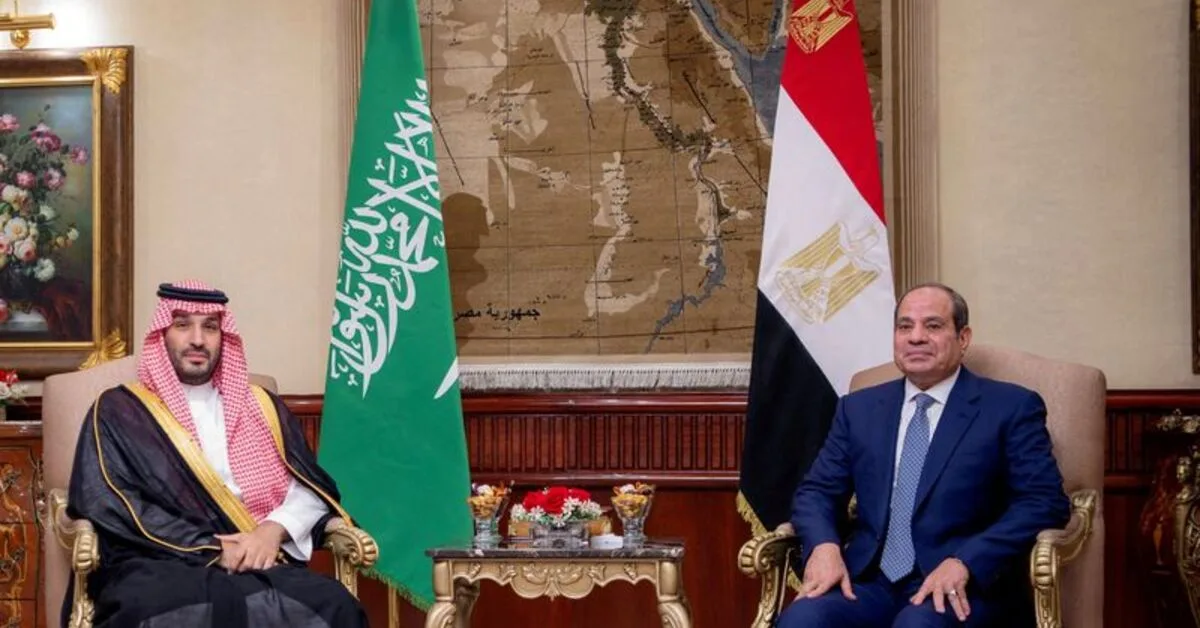
High-level diplomacy from Saudi Arabia, Turkey, and Pakistan has traveled to Tehran to prevent escalation of conflicts between Iran and the United States and Israel. This meeting takes place amid a significant increase in the harshness of rhetoric and statements from both sides.
Review of the Situation in Yemen and Regional Tensions
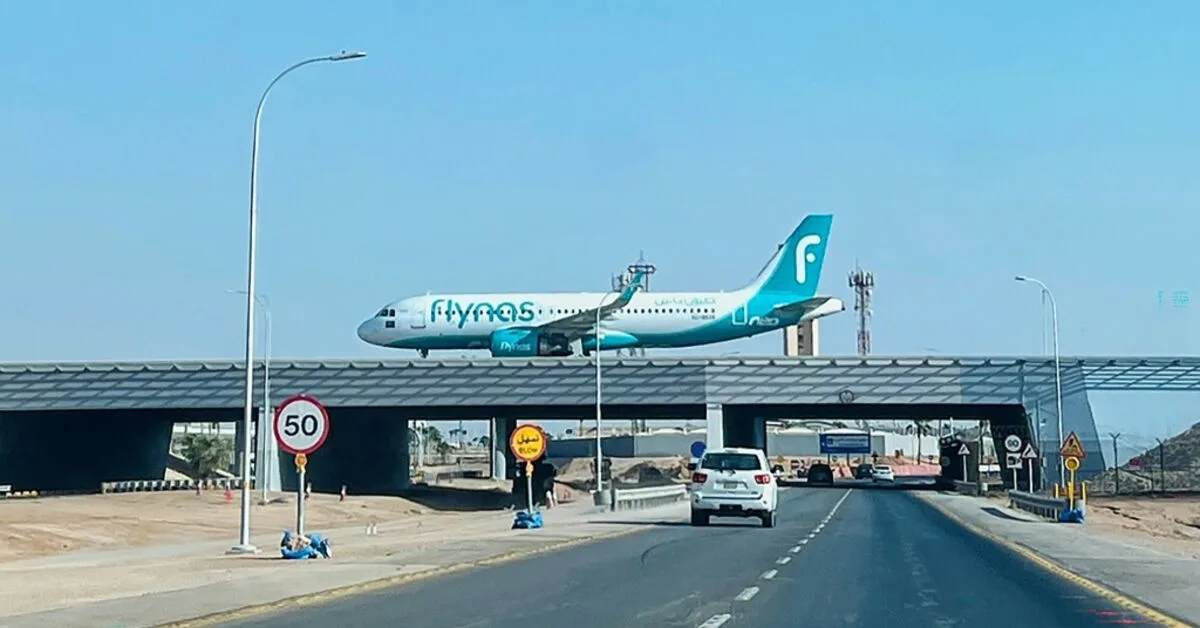
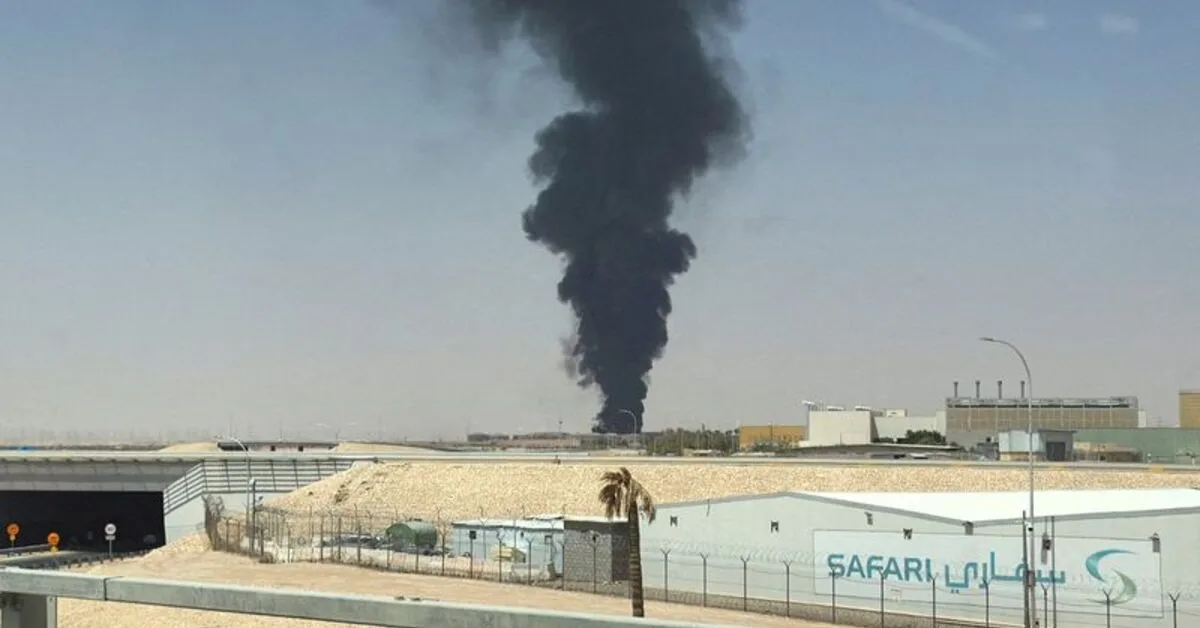
In this meeting held on Monday, security officials and diplomats discussed topics such as how to persuade Iran to end the missile and drone attacks by the Houthis in Yemen on Saudi infrastructure. Currently, the conflicts in Yemen continue, and the Houthis have claimed to have closed Riyadh Airport and inflicted heavy damage on the Saudi economy.
Read more: Condemnation of Houthi Attacks on Saudi Arabia by Arab Countries
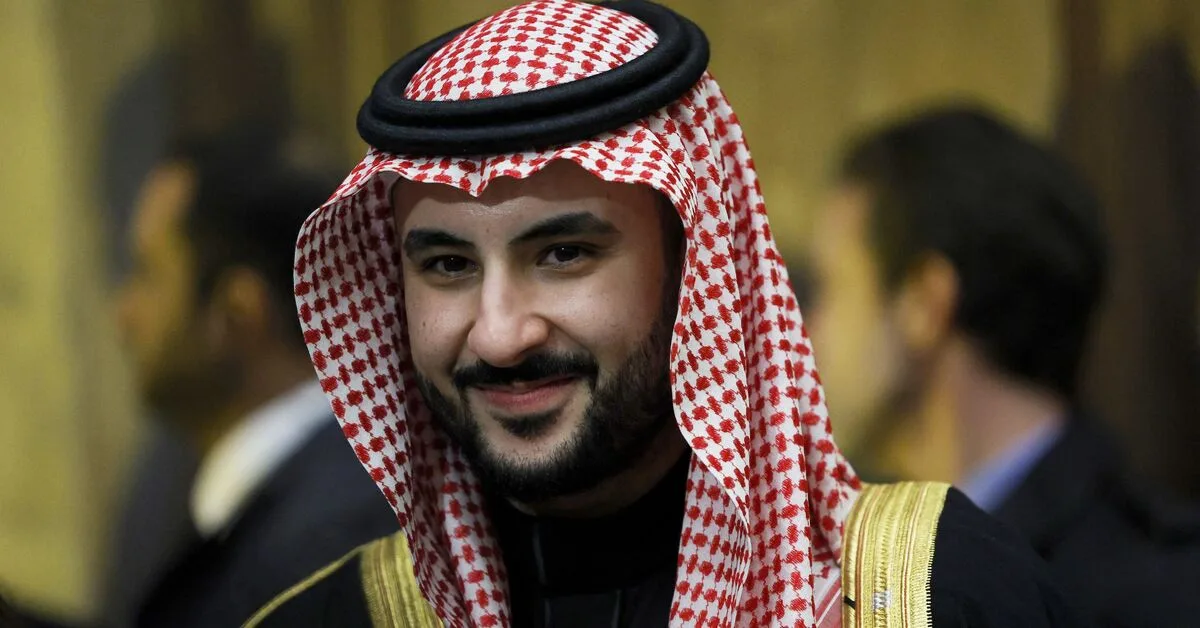
Additionally, the officials present at this meeting have discussed the possibility of including Iran in a new security agreement among Islamic countries. This comes as Saudi Defense Minister Khalid bin Salman, the Chief of the Pakistan Army, Mian Farooq Munir, and the head of Turkey's intelligence agency, Ibrahim Kalin, are present to negotiate with senior security officials and Iranian negotiators.
Security Challenges and Iran's Statements
Saudi Arabia, Pakistan, and Turkey signed a defense agreement in Mecca in August. Some in Iran are concerned that this agreement may become a challenge for Tehran, but the signatory countries emphasize that this agreement is merely a mutual defense pact.
The balance between discussing a long-term security structure and requesting Iran to initiate agreements on existing conflicts is of high importance. The two sides likely arrived at this meeting with different priorities. The Iranian Foreign Ministry has repeatedly proposed a security agreement for the region in which Iran would play a role instead of the United States. Tensions between the United States and Iran may bring back discussions about the heavy presence of U.S. military bases in Gulf countries.
Ismail Baqaei, spokesman for the Iranian Foreign Ministry, stated that this meeting could pave the way for broader cooperation in security based on common interests. He added, "The events of the past two years, especially the last eight months, have shown that sustainable and reliable security in our region is only possible through building trust and cooperation among the countries of the region."
Mohammad Javad Zarif, former Foreign Minister and long-time advocate of a regional security pact, called for "a comprehensive regional network based on non-aggression, mutual trust, and shared prosperity." He emphasized that regional security must be established by the people of the region themselves.
This meeting is taking place as Pentagon reports indicate a significant increase in U.S. military forces in preparation for a potential attack following the midterm elections. Additionally, Qatari mediators have recently been in Tehran to discuss the conditions for resuming activities in the Strait of Hormuz.
Israeli media reports claim that Benjamin Netanyahu, the Prime Minister of Israel, is trying to provoke the military into instigating a war with Iran before the Israeli elections. Repeated requests from Donald Trump for Netanyahu to return to power only heighten feelings of insecurity in the region.
The idea of a security agreement with Iran will face resistance in many parts of the Middle East, especially considering the damages Tehran is prepared to inflict on the regional economy. Additionally, some Iranian hardliners increasingly argue that Iran's security is better ensured through efforts to build a nuclear bomb.
An agreement that may take months to negotiate may not meet Washington's demands for reopening the Strait of Hormuz before lifting sanctions.
Read more: Kuwait Municipality Monitors Urban Regulations with Field Inspections · Meeting of European and Middle Eastern Foreign Ministers in Istanbul