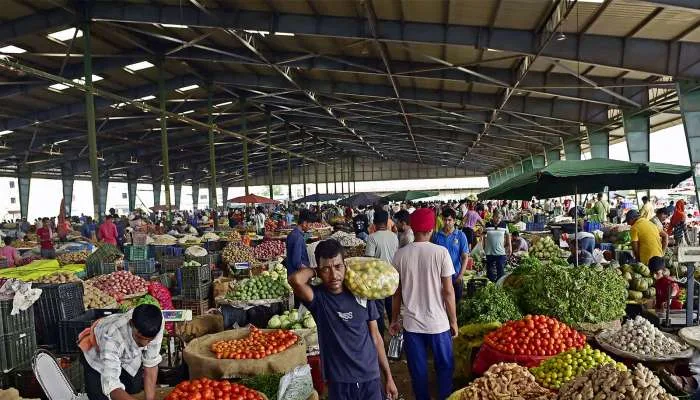
The banking crisis in Paraguay following the collapse of Banco Oeuno has severely impacted the daily lives of vendors in local markets. Maria Martinez, a fruit and cleaning supplies vendor at the central market in Asuncion, says that sales have plummeted and customers are not coming to the market due to a lack of money. She adds, 'Everything is gone.' The banking crisis, which occurred on November 3, has dealt a heavy blow to the vulnerable sectors of society.
Impact of the Collapse of Banco Oeuno
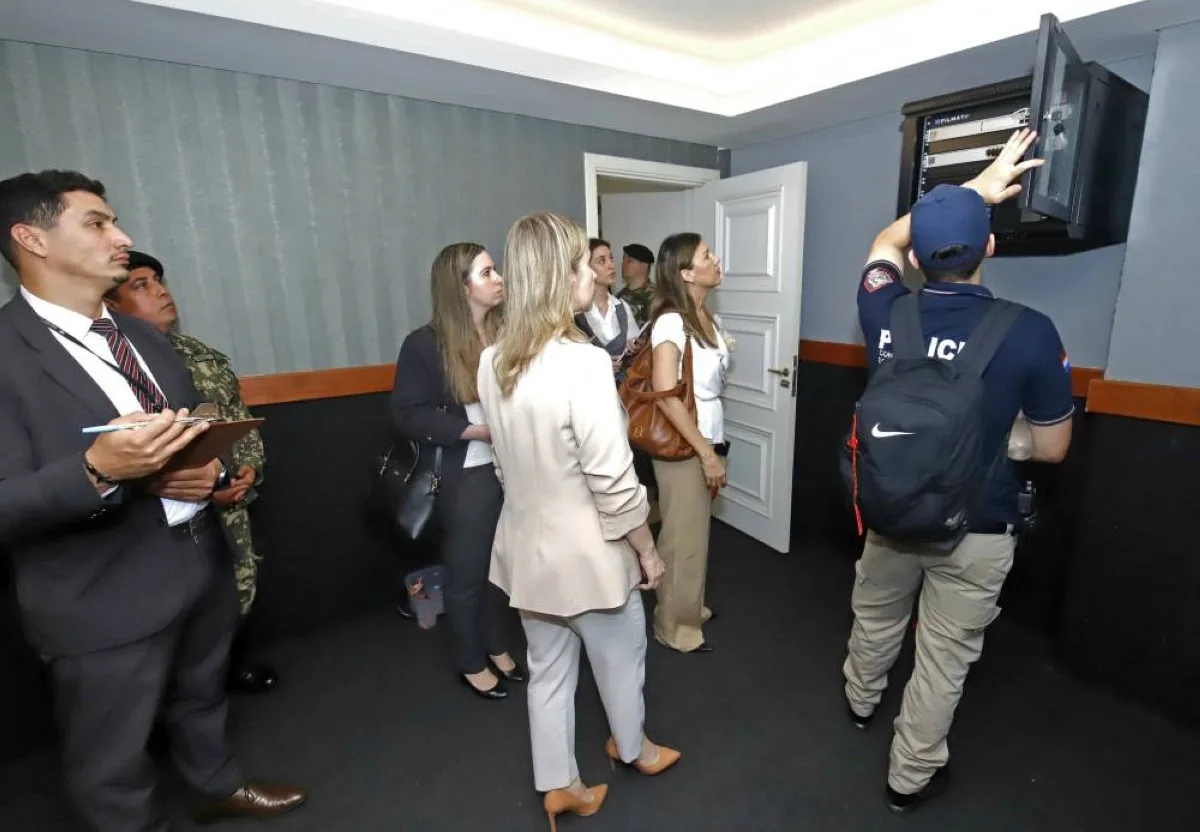
Banco Oeuno, which once started as a small fintech company, quickly became one of the largest banks in the country and was responsible for disbursing government salaries and managing accounts for various institutions. However, with its bankruptcy announcement, the bank plunged the country into chaos and deprived tens of thousands of people of access to their bank accounts. Martinez comments, 'This event has harmed simple people like us.'
Read more: Unemployment Rate in India Falls to 5.1 Percent in Summer and Autumn
Changes in People's Shopping Habits
The central market of Asuncion, known as 'Mercado 4', with over 20 hectares, has now become a land empty of customers. On a warm afternoon, nearly 3,000 vendors were ready to serve customers, but aside from a few, no one was present. Martinez states, 'Many customers have nothing to buy.' While prices have remained relatively stable compared to before the bank's collapse, some prices have increased. She emphasizes, '70 percent of payments were made through Oeuno, but now I prefer not to sell anything rather than have payments through banks.'
Banco Oeuno, which had over 3 million customers, attracted a lot of attention due to its digital model, especially from low-income groups. However, after the recent crisis, the use of cash in markets has increased, and vendors have been forced to accept old and torn bills. Rita Gomez, one of the vendors, says, 'The new bills that have appeared in the market are all torn.'
The collapse of Banco Oeuno has also led to a sharp decline in consumption in Paraguay. Stores selling imported goods have seen sales drop by up to 70 percent, and supermarkets are also experiencing an initial decline of 8 to 10 percent in their sales. Economic analysts say that the existing uncertainty in the economy causes people to avoid unnecessary spending, negatively impacting consumption.
Despite these tough conditions, Martinez still wakes up early every morning and continues her work. She says, 'We are in complete chaos.' This banking crisis clearly highlights the larger challenges that Paraguayan society faces and the need for fundamental actions to rebuild people's trust in the financial system.
Read more: Kuwait Aims to Create a Diverse and Competitive Economy · Oman Examines Nine Antitrust Complaints and Monitors 300 Market Transactions