Bloomberg's analysis shows that Gulf countries are facing challenges related to oil dependence, reliance on the U.S. security umbrella, and vulnerability in the Strait of Hormuz. The Democrats' sweeping victory in the U.S. midterm elections made Donald Trump downplay the likelihood of a new round of military attacks against Iran. However, for the Arab Gulf countries, the outcome of this election has only provided a brief opportunity to catch their breath.
Economic Challenges
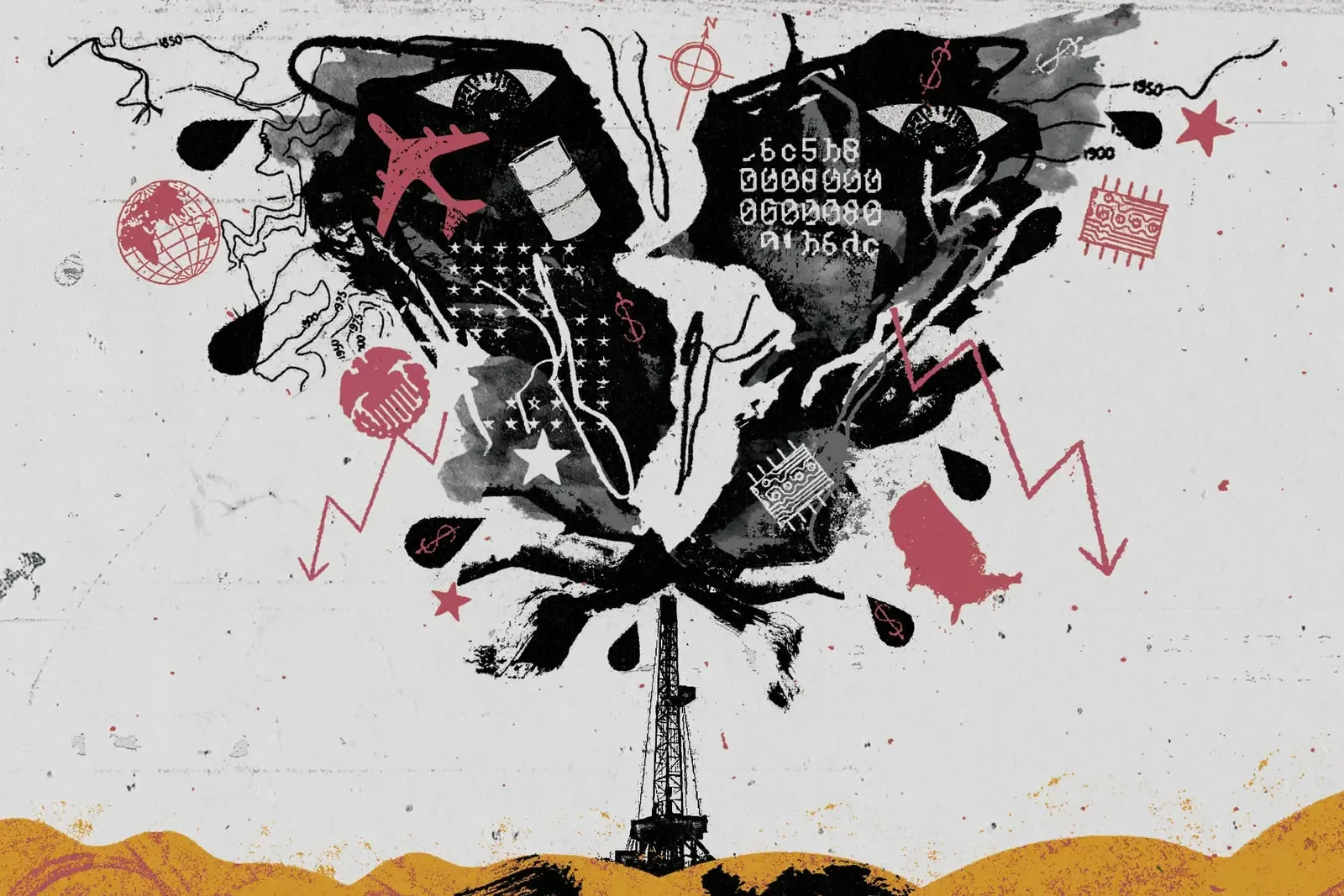
Before the onset of the Iran war, Gulf countries were facing a significant challenge: reducing economic dependence on oil. This challenge has now evolved into three key issues. Regional countries need to make their economies less dependent on oil, their security less reliant on the U.S., and their trade routes less dependent on the Strait of Hormuz. The Iran war has not only exposed the vulnerabilities of regional countries but has also made their efforts to reduce these dependencies more difficult and costly.
Read more: Maritime Incident off the Coast of Oman
Gulf countries have been striving for years to diversify their economies, but their success has not been uniform. Kuwait, the UAE, and Qatar have stronger financial positions due to their vast oil and gas wealth and low debt. In contrast, Bahrain is struggling with heavy debts, and Oman is managing its debts through cost controls and tax increases. However, the most notable example is Saudi Arabia, which initiated the Vision 2030 program in 2016 to reduce oil dependence, yet a decade later, this dependence has increased.
Security Challenges and Dependence on the U.S.
The second challenge is the Arab countries' security dependence on the U.S. Gulf leaders, after Trump's return to the White House in 2025, sought to strengthen their ties with Washington through promises of massive investments and increased oil production. However, the U.S. and Israel initiated a war against Iran that turned the territory and infrastructure of Gulf countries into a battlefield. These developments have shown that complete reliance on the U.S. security umbrella is risky. A possible solution is the "America plus others" policy; maintaining security cooperation with Washington while strengthening internal defense capabilities.
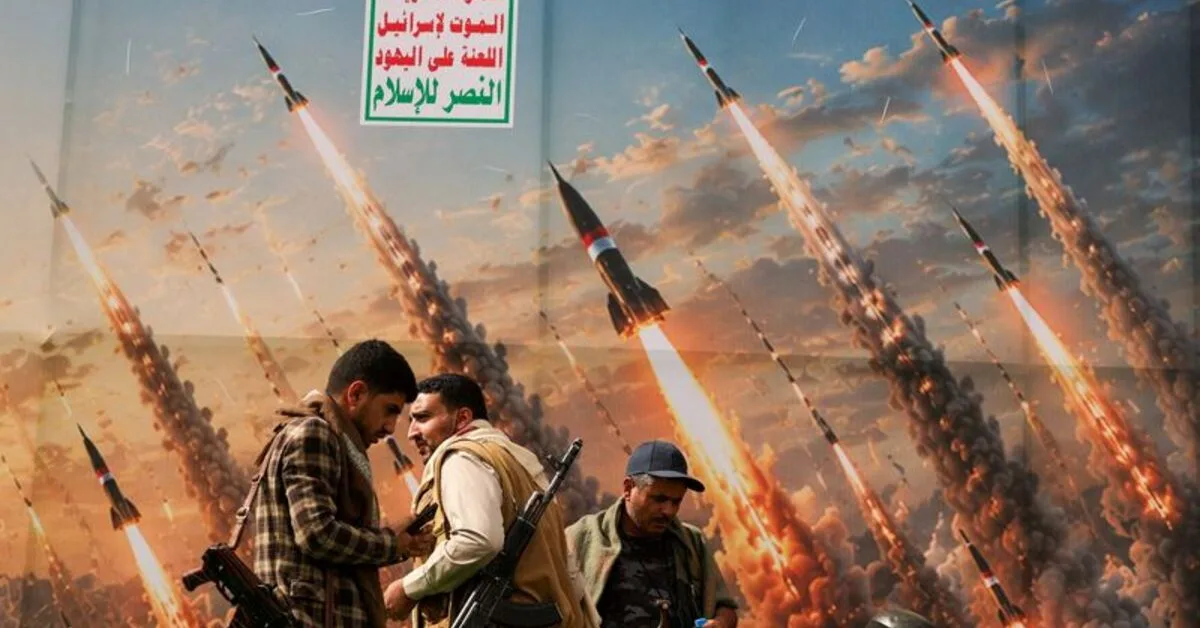
The joint defense pact between Saudi Arabia, Turkey, and Pakistan in August is an example of this approach, although Houthi attacks have shown that the effectiveness of such agreements is still in doubt. The third crisis is the dependence of energy exports on the Strait of Hormuz; the Iran war demonstrated that the closure of this waterway could disrupt the income of oil-producing countries and put pressure on the global energy market.
Saudi Arabia uses the East-to-West pipeline to transfer oil to the Red Sea, while the UAE and Oman also have alternative routes. However, these routes are also vulnerable to military attacks. One proposed solution is to store oil and gas in consumer countries like China and India. However, storage capacity is limited and cannot compensate for the problems caused by the closure of the Strait of Hormuz.
Bloomberg's analysis concludes that Arab Gulf countries now need to simultaneously reduce three major dependencies: economic dependence on oil, security dependence on the U.S., and geographical dependence on the Strait of Hormuz. All three developments require heavy investments, while the war has put pressure on the region's financial resources and infrastructure. The continuation of this situation could have consequences beyond the Gulf, confronting countries that were once only concerned about a future without oil with larger questions about security and energy export routes.
Read more: Review of Security Officials' Readiness in Kuwait · The UAE is Offering Saudi Oil to the Market