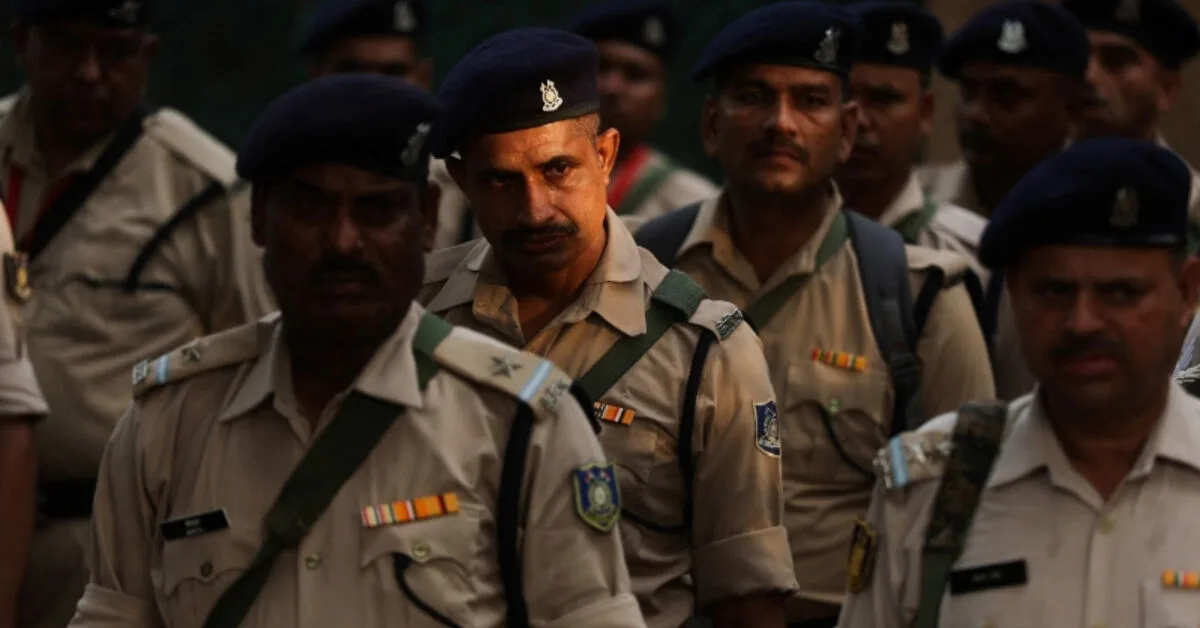
On Saturday, the leaders of the BRICS group will gather in the capital of India, New Delhi, for their annual meeting. This summit is being held under conditions of increasing geopolitical tensions and fluctuations in the energy market and global trade.
History of BRICS and Its Formation
The term BRIC was first introduced in 2001 by Jim O'Neill, the chief economist at Goldman Sachs. In a research paper, he examined the potential economic growth of Brazil, Russia, India, and China. However, these countries officially joined together as an economic and political bloc in 2009.
Since then, BRICS has been recognized as an important force on the global stage and has sought to position itself against Western powers. However, the current challenges facing this bloc are far more complex than initially anticipated.
Current Challenges of BRICS
While BRICS seeks to strengthen economic and political cooperation among its members, tensions in the international arena, especially between Western and Eastern countries, have overshadowed these efforts. Energy crises and disruptions in global supply chains have placed additional pressures on this bloc. The future of BRICS depends on its ability to adapt to these challenges and create a sustainable strategy.
Moreover, the potential expansion of this bloc in the future and the possibility of new countries joining it can be seen as an opportunity to strengthen the economic and political power of BRICS. However, any expansion would require new agreements and the management of internal and external challenges.
Ultimately, the upcoming summit could be recognized as a turning point in the history of BRICS and in the process of global developments. Will this bloc be able to respond to current challenges and also identify new opportunities?