China has proposed to the Islamic Republic of Iran to use its influence over the Houthis to prevent the escalation of conflicts and threats to energy routes in the Red Sea. This request comes after rapid advances by the Houthis in areas near the Red Sea coast and their attacks on Saudi Arabian territory.
China's Concerns About Regional Instability
Chinese officials have publicly emphasized the need for restraint and dialogue, stating that they do not wish to witness an escalation of tensions in the region. However, private messages from China to Tehran indicate that the country is concerned about the negative repercussions of these conflicts on its economy, especially as China is heavily dependent on Middle Eastern energy resources. In this context, China has asked the Islamic Republic to use its influence over the Houthis to prevent the expansion of conflict to energy routes.
Read more: Oman's Foreign Minister bids farewell to ambassadors from Kuwait, Turkey, and Thailand
Tehran's Response and Saudi Defense Status
In response to this request, Iranian officials have stated that stability and peace in the region are influenced by the end of the U.S. and Israeli wars against the Islamic Republic. Meanwhile, reports indicate a reduction in Saudi Arabia's interceptor missile stockpiles, and Riyadh is seeking to strengthen its air defense from other countries such as France, the UK, Pakistan, and Egypt. Saudi Arabia has requested military assistance to counter the threats posed by the Houthis.
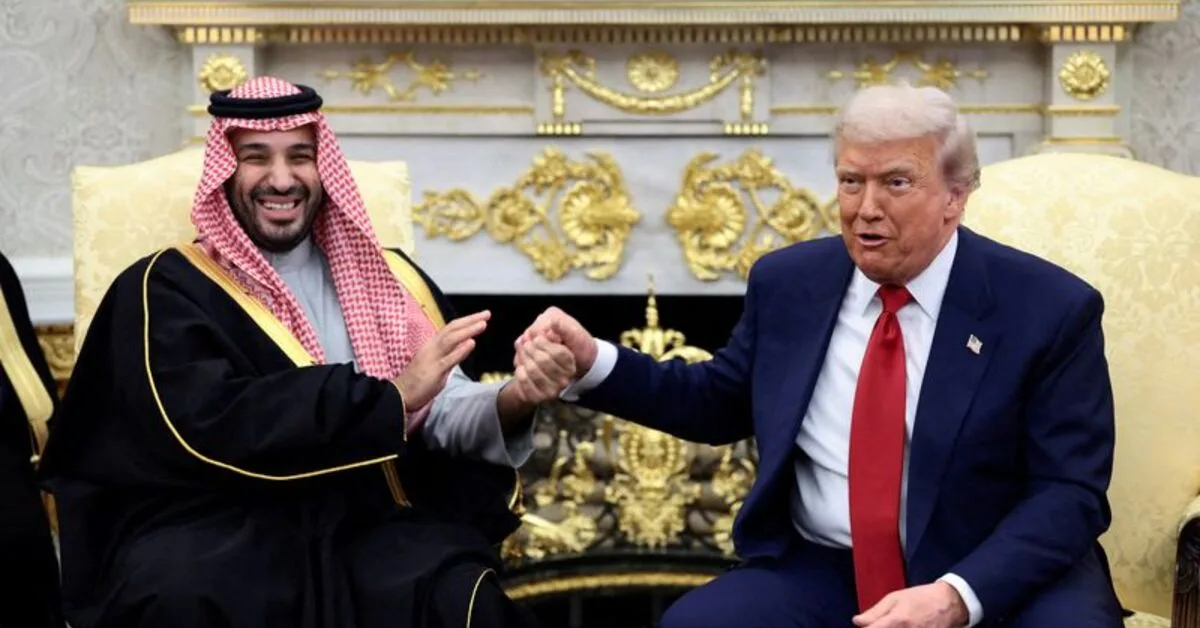
In this context, Donald Trump, the former President of the United States, has rejected Crown Prince Mohammed bin Salman's request for U.S. intervention in the war against the Houthis. This reflects the significant challenges facing Saudi Arabia in managing security and military crises in the region.
China, as Iran's largest trading partner and a major buyer of its oil, plays a key role in this crisis. Given the economic interdependence of the two countries, their cooperation could help maintain stability in the region. However, there are concerns about the negative impacts of these conflicts on global trade and energy security, especially as the Strait of Hormuz is currently under significant pressure.
International Pressures and Perceptions of China's Role
Analysts believe that while China may oppose U.S. pressures on the Islamic Republic, its interests in the Middle East are so extensive that they cannot be ignored. While about half of China's oil imports come from the Middle East, its relations with Gulf Cooperation Council member countries have also significantly developed.
Ultimately, this situation reflects the complex challenges that the Islamic Republic and China face. Both countries need each other, but they are also influenced by their strategic and economic priorities. The main test will be whether China is willing to take practical actions against the Islamic Republic to fulfill its demands.
Read more: Meeting between U.S. officials and Houthi representatives in Oman · China asks Iran and the U.S. to reopen the Strait of Hormuz