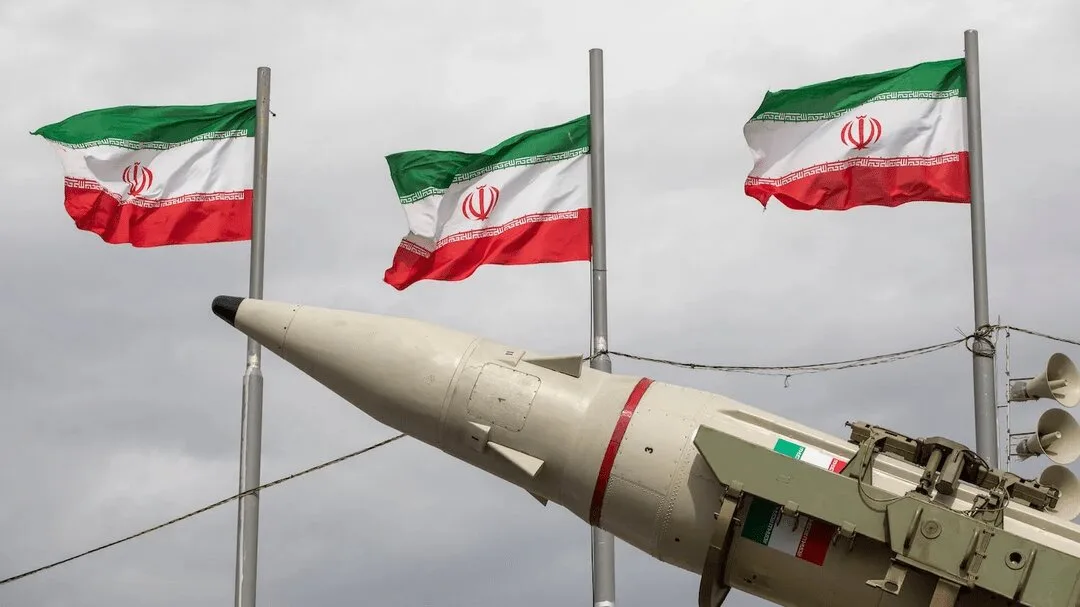
Iran, appearing more prepared than ever to confront military threats, has greatly worried Gulf countries. Reports indicate that these countries are striving to prevent a new war in the region through increased diplomatic efforts.
Diplomatic Efforts of Gulf Countries
Senior officials from Saudi Arabia, Turkey, and Pakistan have recently visited Tehran, and Qatari mediators have also engaged in discussions with the Iranian side in Tehran and Doha. Anwar Gargash, diplomatic advisor to the President of the United Arab Emirates, stated at the Manama Dialogue: "We find ourselves embroiled in a crisis for which we had made significant diplomatic efforts to prevent. We are clearly seeking a political way out of this situation."
Read more: Report by the International Institute for Strategic Studies on Gulf Countries
Concerns Over a Devastating War
The Gulf countries are concerned that renewed attacks by the U.S. and Israel on Iran could lead to an even more devastating war. According to Hussein Al-Hassan, a senior researcher at the International Institute for Strategic Studies, this war has shown that Iranians can confront their rivals and that the military institutions of this country have the ability to learn and adapt.
Bloomberg also cites Mohammed Al-Basha, an international security researcher, noting that none of the officials or citizens of Gulf countries support renewed attacks by the U.S. and Israel, and the majority feel that a new round of conflicts is imminent.
Iran's Military Preparedness
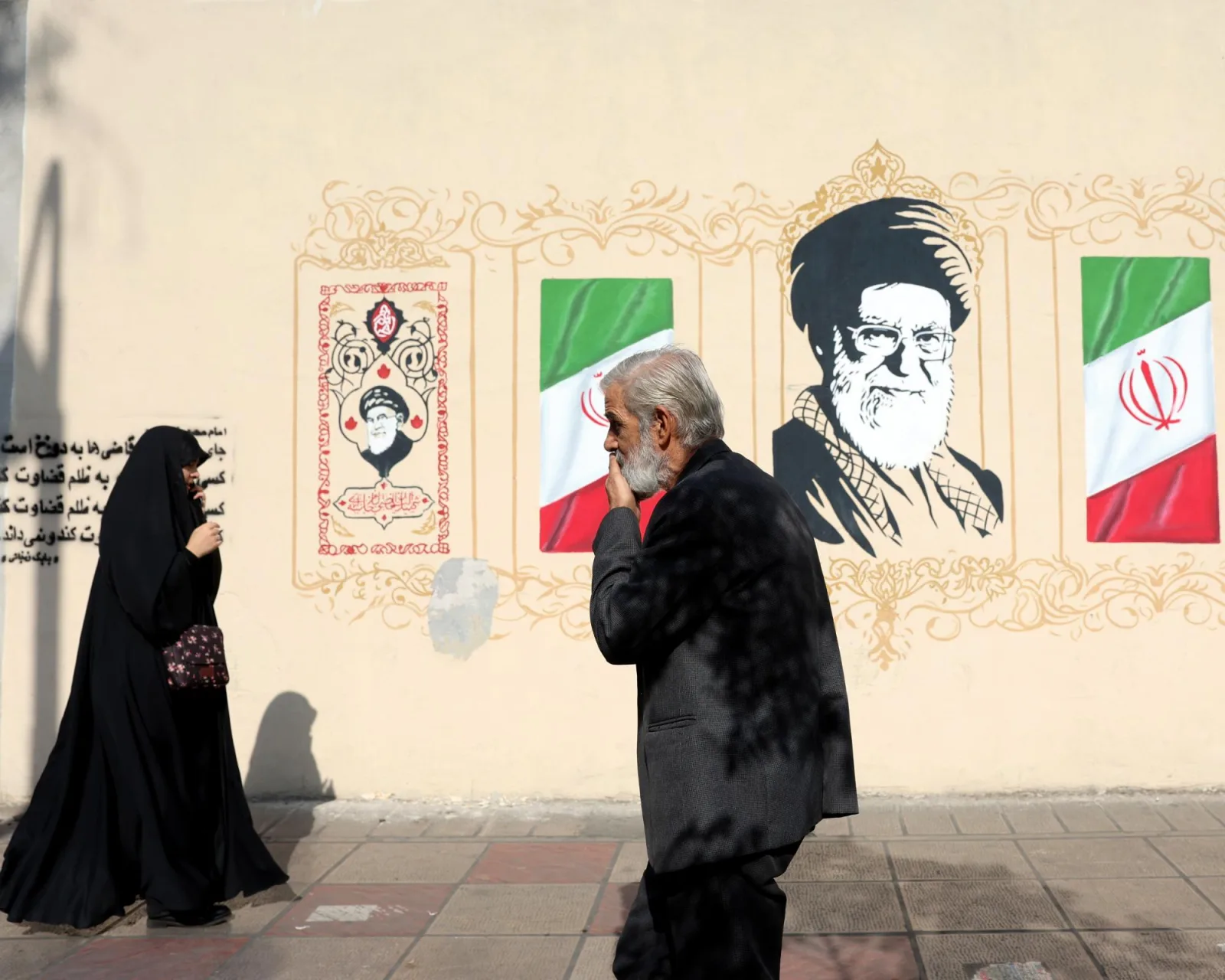
Ayatollah Seyyed Mojtaba Khamenei, the Supreme Leader of the Islamic Revolution, has emphasized that if enemies resume their military or terrorist attacks, it is the armed forces of the Islamic Republic and the Iranian people who will determine the time and conditions for their end. He also referred to intelligent combat readiness to confront enemies.
Analysts believe that Iran is much better prepared in this phase of the war and seems to have learned lessons from past events, developing a more complex military strategy. According to Bloomberg data, Iran has launched over four thousand drones and at least two thousand ballistic missiles since the beginning of the war until early October.
Security and Economic Challenges
Meanwhile, Gulf countries are striving to replenish their missile interceptor reserves for their air defense systems. This comes as the world faces a shortage of this technology, with the U.S. and Israel prioritizing their own needs. The war has also revealed the very high cost of using advanced missiles to shoot down Iran's inexpensive drones.
Jassim Al-Budaiwi, Secretary-General of the Gulf Cooperation Council, noted at the Manama Dialogue that the member states of the Gulf Cooperation Council were not parties to the war and were not seeking its occurrence. At the same time, regional officials have largely praised the security role of the U.S. in the Gulf in their public statements, but have expressed their dissatisfaction with Washington's military and diplomatic performance in private circles.
Read more: The Secretary-General of the Gulf Cooperation Council presented five pillars of regional security at the Manama Dialogue · Statement by Seyyed Abbas Araghchi on Iran-U.S. relations