Indirect talks between the US and Iran aimed at reopening the Strait of Hormuz continue on their third day in Doha. These negotiations are taking place as Qatar seeks to facilitate the release of over $6 billion of Iran's assets, an action that could lead to the reopening of the Strait of Hormuz and the resumption of Iran's nuclear program negotiations.
Gulf Countries Prepared for the Worst-Case Scenario
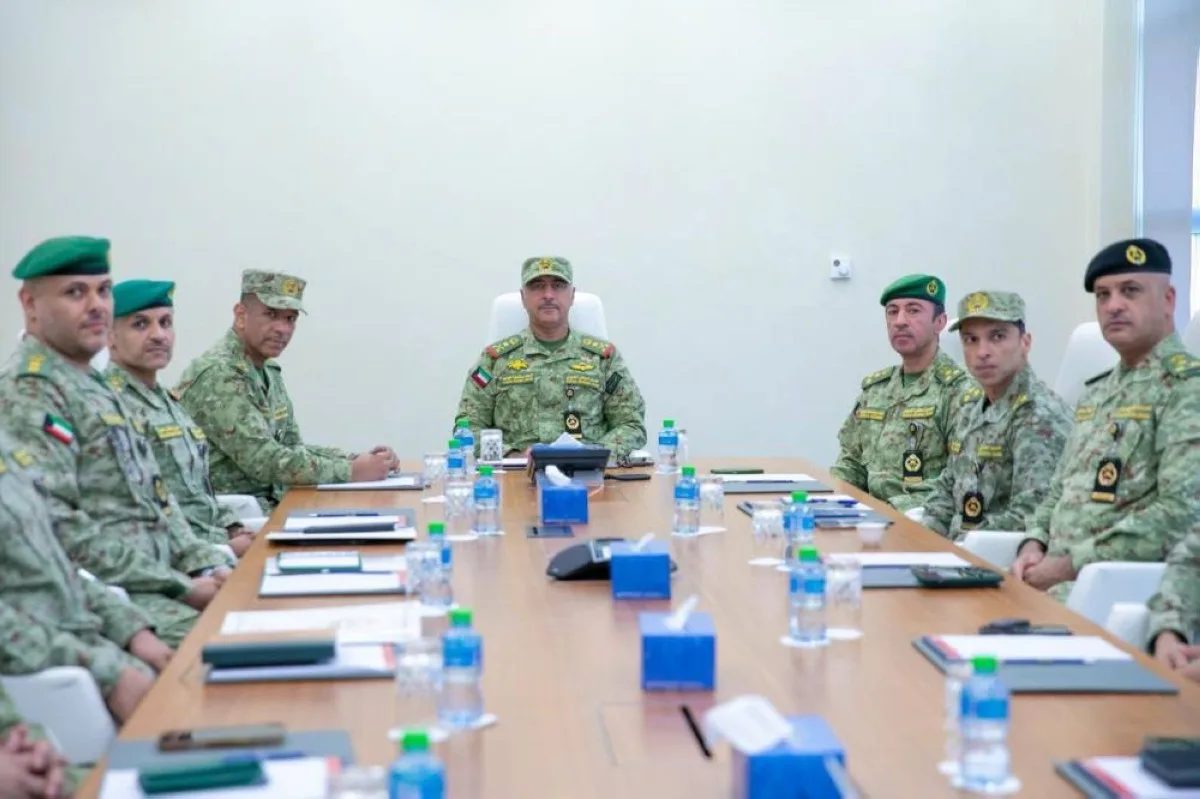
Officials from Gulf countries, particularly the United Arab Emirates, led by Anwar Gargash, have stated that they are prepared for the worst-case scenarios. Gargash emphasized that neither side is looking to escalate tensions and that relations with Iran are essential, as Iran is considered a close and important neighbor for these countries.
Read more: Concerns of Gulf Arab Countries About the Possibility of Renewed Conflicts
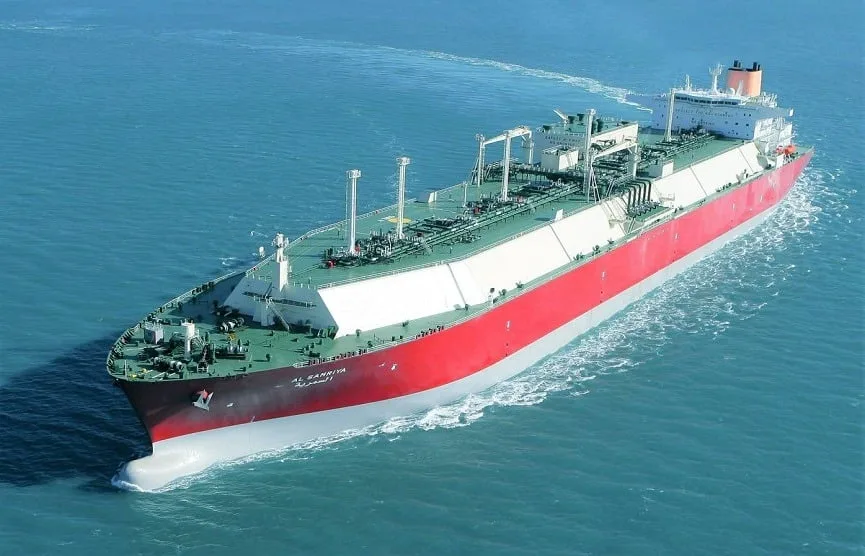
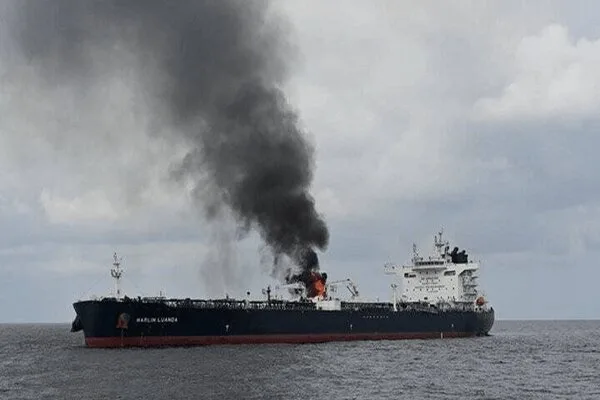
These negotiations continue amid reports that on Friday, a Qatari liquefied gas carrier was attacked by an unknown missile. This attack occurred while the vessel had received the necessary approvals for safe passage from Tehran. This incident adds complexity to the negotiations and fuels distrust between the parties.
Reduction of Negotiation Time and Iran's Position
Qatar is striving to reach an agreement that accelerates the process of lifting sanctions by the United States and the reopening of the Strait of Hormuz by Iran. In this regard, Iran has agreed to reduce the time required for this process from seven days to two days.
Abbas Araghchi, Iran's Foreign Minister, has stated that he hopes the United States will prefer the diplomatic option over other paths. He also mentioned that Iran is ready for defense and diplomacy, depending on Washington's rational behavior. Araghchi is currently not present in the Doha negotiations and has traveled to Turkmenistan, but other Iranian diplomats are actively participating in these talks.
The US government has also clarified its position regarding the negotiations in recent days. Marco Rubio, the US Secretary of State, has stated that the United States is interested in a diplomatic solution, while Mohsen Rezaei, the head of Iran's Supreme National Security Council, has reported receiving a letter from US Vice President J.D. Vance, mentioning a positive change in the tone from the US.
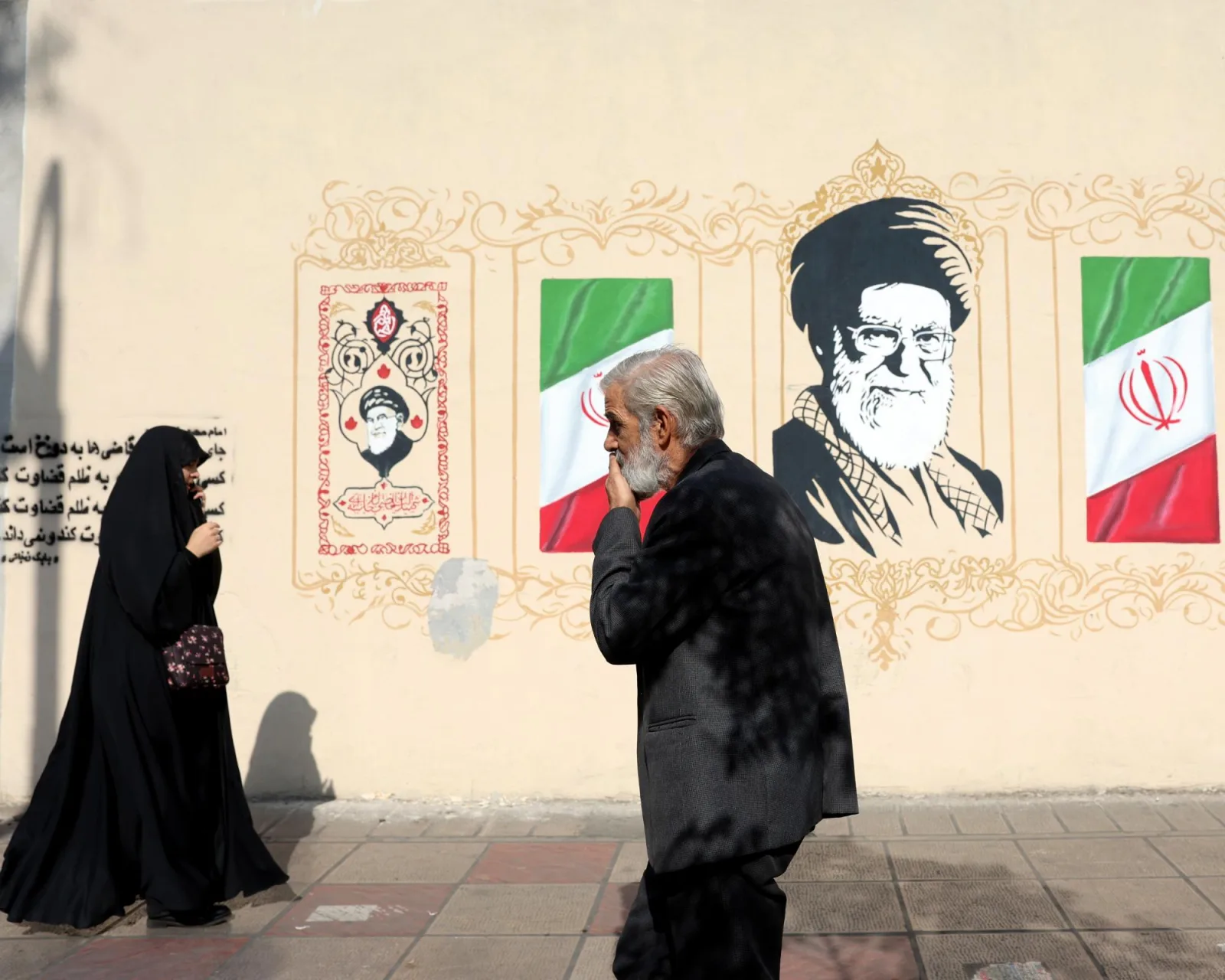
Ali Nikzad, the Deputy Speaker of Iran's Islamic Consultative Assembly, has reiterated his country's stance on the nuclear program, stating that Iran will not discuss this program under any circumstances. He pointed out that the Islamic Republic has given ample opportunities for negotiation to its adversaries but has faced repeated violations of promises and bombings of peaceful nuclear facilities.
Read more: Qatar and Neighboring Countries React to the Targeting of the Gas Carrier · Seyed Abbas Araghchi: We See No Need to Meet with US Officials