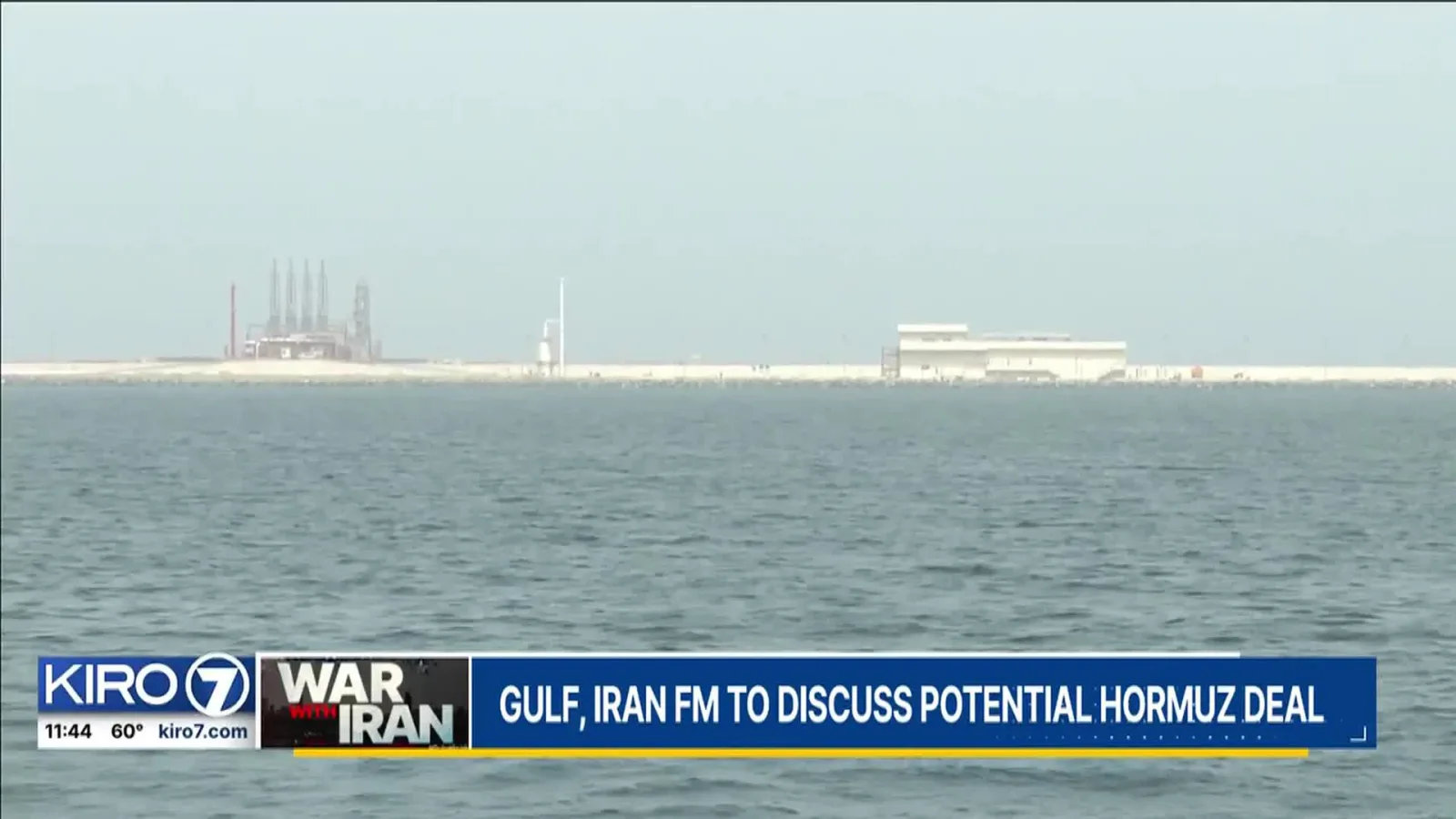
Iran will soon host vital negotiations that could impact the future of the Persian Gulf. In these negotiations, the possibility of an agreement regarding the Strait of Hormuz, one of the world's most important strategic points, will be examined. The Strait of Hormuz, through which about 20 percent of the world's oil passes, has always been in the spotlight of international attention.
Importance of the Hormuz Agreement
Given the recent tensions in the region and security threats, an agreement on security and stability in the Strait of Hormuz could lead to a reduction in unrest and an increase in regional cooperation. Iran, as a key player in this area, seeks to create a stable and secure environment for the passage of ships. These negotiations are of great importance not only for Iran but for all the countries bordering the Persian Gulf.
Economic and Political Consequences
If these negotiations are successful, it is expected that not only will oil prices in global markets be affected, but political relations among the countries in the region will also improve. With this move, Iran aims to demonstrate that it is capable of establishing stability and security in this sensitive region and is seeking to de-escalate tensions with neighboring countries.
Considering the geographical position and economic significance of the Strait of Hormuz, any change in Iran's policies could have profound effects on the global market and regional policies. Therefore, close monitoring of these negotiations and their consequences is of special importance.