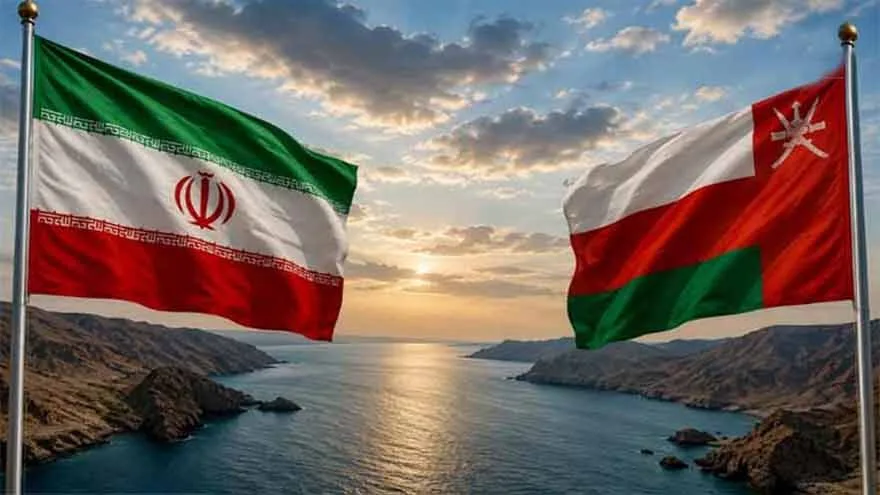
The Muscat meeting, which was scheduled to take place on Tuesday in the capital of Oman, has been postponed due to disputes over shipping mechanisms in the Strait of Hormuz. This meeting was intended to explore ways to reopen this vital maritime passage and enhance energy supply security under current conditions. The ongoing war between the United States and Iran and rising concerns about energy security worldwide seem to have heightened the need for this meeting.
Challenges and Areas of Dispute
The postponement of the Muscat meeting comes at a time when the region is facing increasing pressures from disruptions in shipping traffic, attacks on oil facilities, and military tensions related to Iran and its allies. Therefore, any agreement regarding the Strait of Hormuz will have global economic and security implications beyond domestic issues.
Read more: Badr bin Hamad Al Busaidi: Oman is Committed to Strengthening Dialogue for Regional Stability
Reports indicate that the need for further agreement and coordination among the relevant parties was the main reason for the postponement of this meeting. Some countries, including Saudi Arabia, have called for a re-examination of certain proposed amendments to agreements related to shipping in the Strait of Hormuz. This suggests that the proposed arrangements still lacked sufficient consensus for the meeting to proceed as scheduled.
Economic and Security Implications
The Strait of Hormuz is considered one of the most important maritime passages in the world, with a significant volume of oil and gas exports from Gulf countries being transported through this route to global markets. Any disruption in shipping traffic can quickly impact energy prices, maritime transportation costs, and insurance rates. As oil markets face increasing pressure, the delay of this meeting could exacerbate concerns about ongoing disruptions in shipping.
Despite the existing challenges, the postponement of the Muscat meeting does not signify a failure of negotiations, but rather highlights the need to achieve a framework that enjoys broader support. In particular, Gulf countries, which view the security of the Strait of Hormuz as a matter related to their national security and economy, must reach a consensus in the negotiation process.
In the current situation, where global markets are awaiting any diplomatic breakthrough, the future of shipping in the Strait of Hormuz depends on the ability of the involved parties to overcome their differences and reach an agreement that can guarantee freedom of navigation and mitigate the war's impact on the global economy.
Read more: Meeting of Mohammed bin Salman with Abdel Fattah El-Sisi in Egypt · Sultanate of Oman: Postponement of the scheduled regional meeting in Salalah