The meeting of the Gulf States and Iran, which was scheduled to take place today, Monday, in the capital of Oman, Muscat, has been postponed due to the need to reach an agreement and further coordination among the relevant parties. This meeting was intended to discuss the mechanisms for the reopening of the Strait of Hormuz, one of the most important maritime passages in the world.
Background and Importance of the Strait of Hormuz
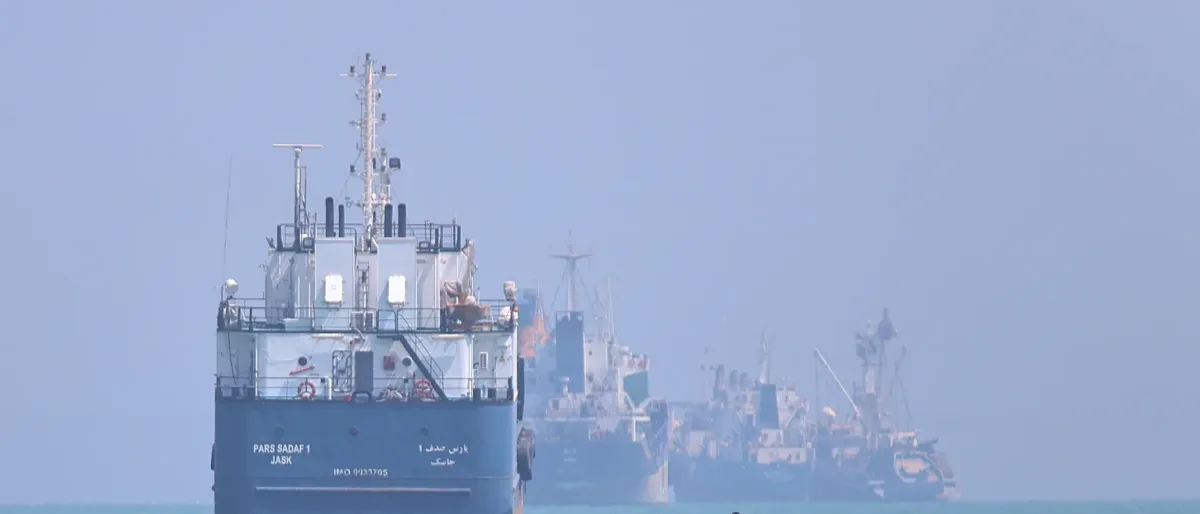
The Strait of Hormuz is recognized as one of the most vital shipping points in the world, as a significant volume of oil and gas exports from the Gulf States is transported through this route to global markets. Currently, the war between the United States and Iran and concerns about energy supply security worldwide have heightened the importance of this passage. The postponement of this meeting comes at a time when the region is under increasing pressure from disruptions in shipping traffic, attacks on oil facilities, and military tensions related to Iran and its allies.
Reasons for Postponement and Challenges Ahead
According to published reports, the postponement of this meeting was due to the need to review and reconsider the proposed reforms between Iran and Oman regarding shipping in the Strait of Hormuz. Some countries, including Saudi Arabia, have called for a more thorough examination of these reforms. As a result, the lack of sufficient consensus among the relevant parties to hold the meeting as scheduled led to its postponement.
This development reflects the difficulty of quickly reaching an agreement regarding the Strait of Hormuz, especially given the differing interests of the coastal countries and their differing views on Iran. Concerns about the security of ships and freedom of navigation have also added to the situation. This meeting is seen as an opportunity to reduce tensions and reach necessary agreements on shipping security, but its postponement creates further challenges for the Gulf States.
As global energy markets are under increasing pressure, the future of shipping in the Strait of Hormuz depends on the ability of the involved parties to overcome disagreements regarding proposed security and political arrangements. Any disruption in shipping traffic through this route could quickly impact energy prices, maritime transport costs, and insurance expenses.
Overall, the postponement of the Muscat meeting has heightened concerns about the continued disruption of shipping in the Strait of Hormuz. In such circumstances, the Gulf States are striving to protect oil facilities and ensure the security of export routes while considering alternative options to mitigate the risks associated with dependence on this maritime passage.