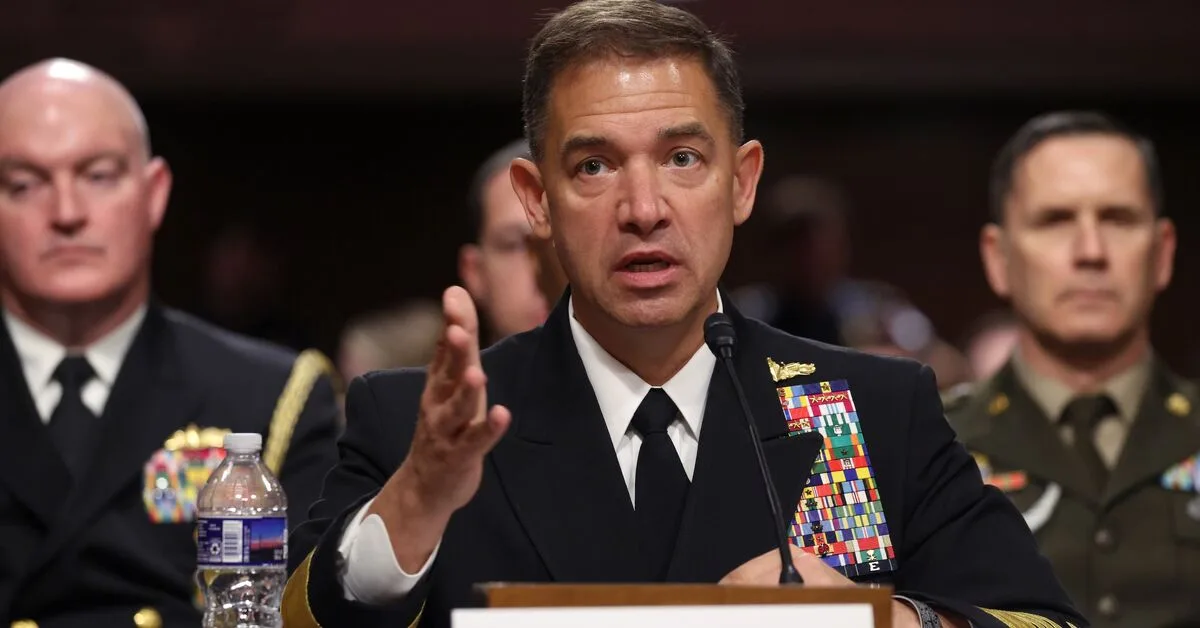
The senior commander of U.S. military forces in the Middle East, Admiral Brad Cooper, met with Mohammed bin Salman, the Crown Prince of Saudi Arabia, on Monday in Jeddah. This meeting took place as Houthi rebels in Yemen have taken control of strategic areas around the Bab al-Mandab Strait on the Red Sea coast.
Developments in Yemen and Regional Concerns
Admiral Cooper, who serves as the commander of U.S. Central Command (CENTCOM), addressed bilateral relations and the latest regional developments during this meeting. This meeting comes as the Trump administration has refrained from direct military action in the Yemen conflict, instead focusing on military pressure on Iran. It appears that the United States continues to provide intelligence support and targeting in Houthi activities in Yemen, as well as advising on Saudi Arabia's air defense strategy.
Read more: Iran and Gulf countries gather in Oman over regional issues
Aerial Attacks and Security Threats
The Saudi Ministry of Foreign Affairs has confirmed that a recent attack on the country's vital east-west pipeline, which does not pass through the Strait of Hormuz, was carried out from Iraq. This attack is part of a series of drone attacks conducted by Iran-backed militants, and Baghdad is facing serious challenges in controlling them.
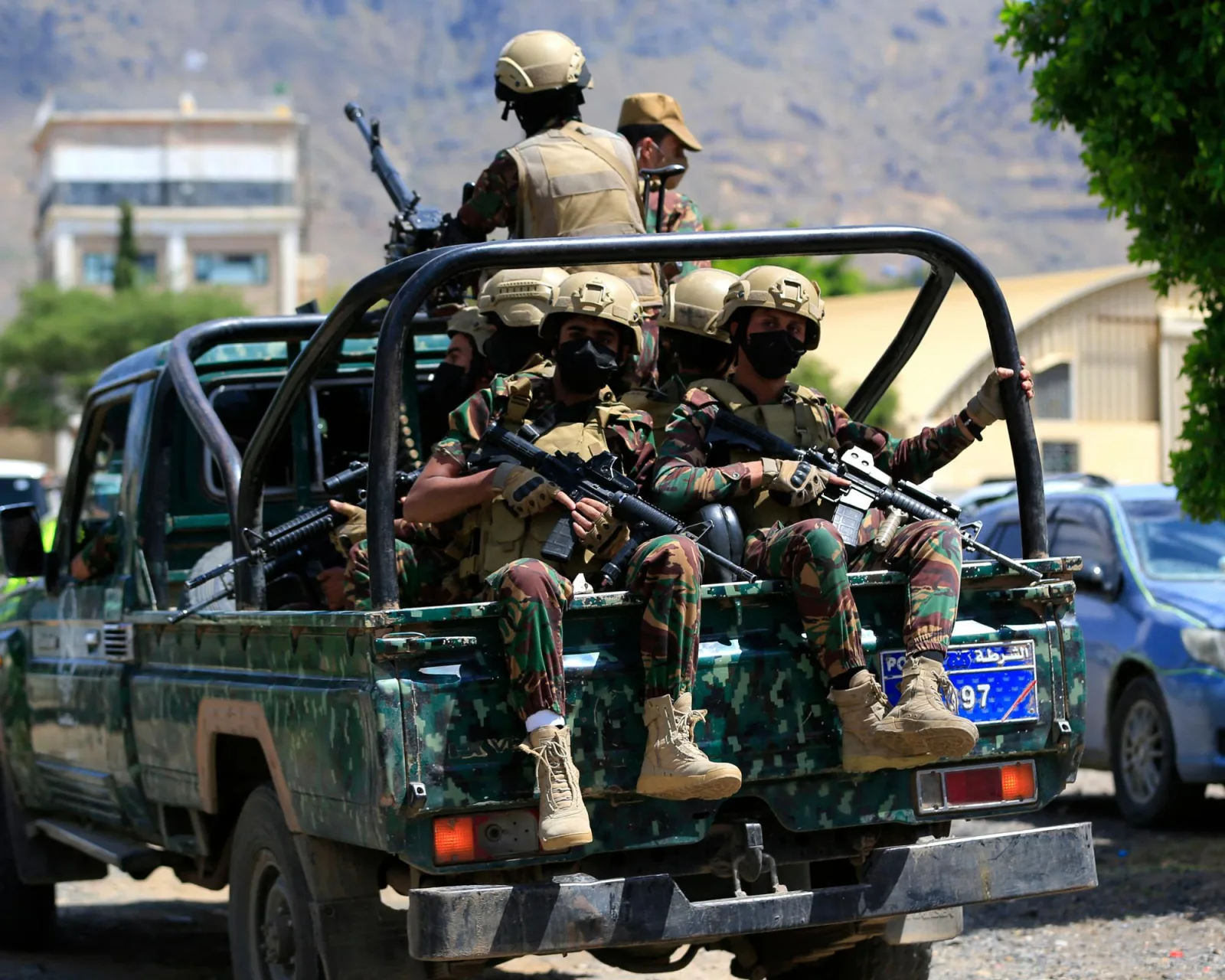
Meanwhile, Houthi rebels in Yemen have rapidly advanced from the coast of Hodeidah southward, capturing the port of Mokha and other key positions along the Bab al-Mandab coast. Saudi-backed forces and the Yemeni government quickly retreated from their positions. The Houthis have stated that they have no intention of attacking international ships, which has alleviated concerns in Washington.
President Donald Trump, during an official visit to Ireland, stated: "The Houthis informed us that they do not want to fight us" and emphasized that the Houthi attacks are focused solely on one country, namely Saudi Arabia. He also expressed confidence that the situation would progress well.
This development comes as Pakistan has also made statements regarding the possibility of invoking the mutual defense clause of military agreements. A spokesperson for the Pakistani Foreign Ministry said: "Nothing is currently under discussion."
Read more: Iranian Foreign Minister: U.S. return to commitments of Islamabad agreement is a condition for reopening the Strait of Hormuz · Houthi attacks and a new challenge for Trump in Middle Eastern waterways