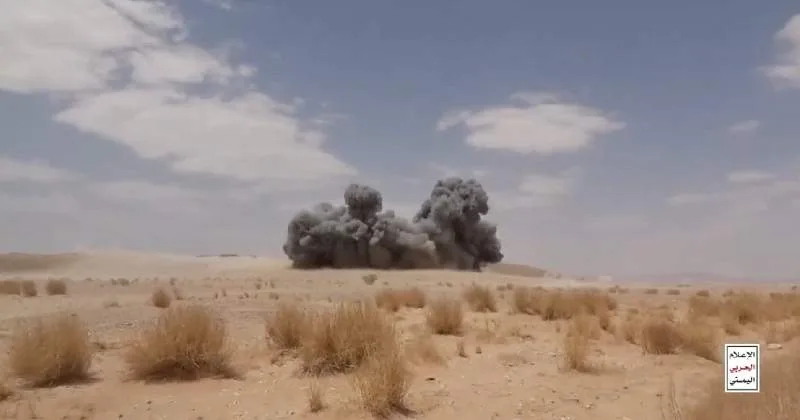
As the United States moves toward the midterm elections, tensions in Yemen have sharply increased. These developments come at a time when Iran seems to have a misjudgment of the resolve of Donald Trump, the former President of the United States. In fact, on the anniversary of the September 11 attacks, Trump explicitly identified Iran as one of the countries supporting terrorism and promised the American people that he would never allow Iran to acquire nuclear weapons.
Consequences of the War in Yemen
By supporting the Houthi groups in Yemen, Iran is somewhat seeking to increase its influence in the region. This decision comes as Trump has repeatedly emphasized the need to combat terrorism and limit Iran's power in his speeches. It seems that these actions by Iran have not only intensified the war in Yemen but could also provoke harsher reactions from the United States.
Some analysts believe that Iran is trying to draw attention to itself with these behaviors and thus influence U.S. policies in some way. But can this approach benefit Iran? Given Trump's threats and his determination to confront Iran, this question arises.
In fact, by emphasizing that Iran will never acquire nuclear weapons, Trump indicates that the United States is seeking stricter strategies against Iran. This is while Iran is intensifying its military activities in Yemen and seems to have taken significant steps in this direction.