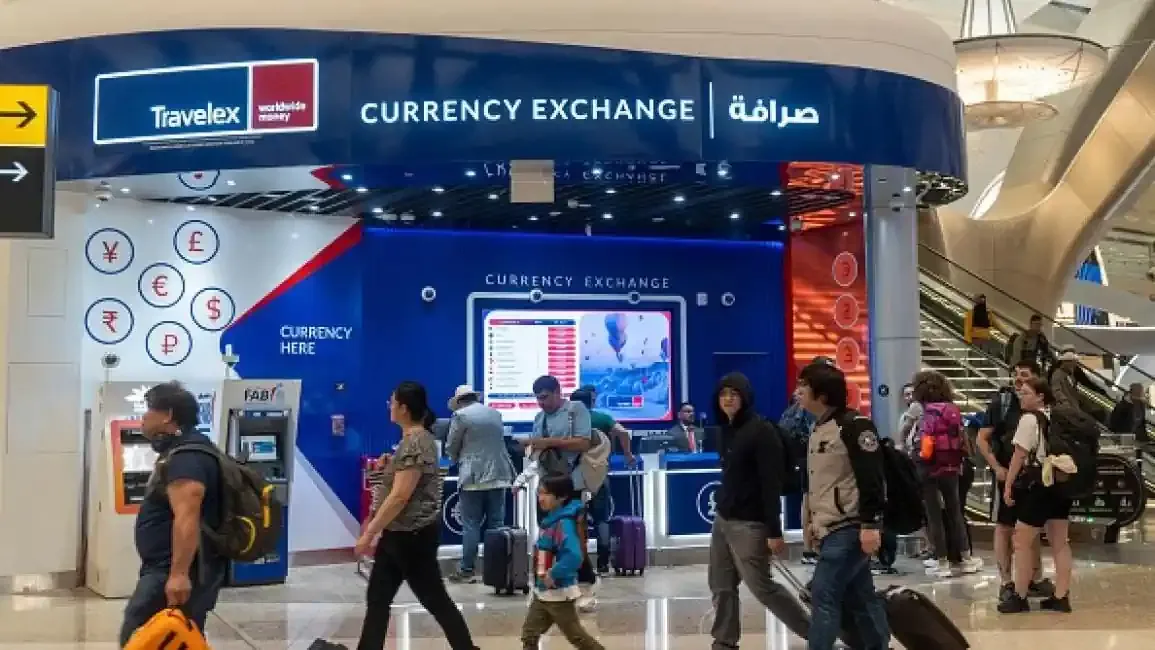
The outflow of capital from Gulf countries reached an unprecedented $161 billion last year, equivalent to 6.6% of the total gross domestic product of the region. This increase in foreign workers' remittances occurred while the Strait of Hormuz and Bab-el-Mandeb are under pressure due to geopolitical insecurities and energy supply chain shocks.
Impact of Geopolitical Insecurities
According to data from the Statistical Center of the Gulf Cooperation Council member countries, the volume of foreign workers' outgoing remittances increased by 13.6% last year. This clearly indicates the negative impact of geopolitical insecurities on the region's economy. Economists believe that this trend is due to a change in the residency pattern of workers towards single living and the outflow of incomes abroad.
Read more: IMF and World Bank Meetings in Thailand and Global Economic Challenges
Economic Forecasts and the Need for Incentives
The World Bank predicts that the gross domestic product of Gulf countries will face a 4.3% decline in 2026 (1405). These forecasts clearly indicate the economic challenges facing these countries. Economists emphasize the need for investment incentives to curb currency outflow and strengthen liquidity circulation. Meanwhile, regional economic institutions must seek solutions to attract investment and mitigate the damages caused by this capital outflow.
Read more: The Sultanate of Oman on the Verge of Joining the Eurasian Development Bank · Holding a Meeting of the Board of Directors of the Oman International Financial Center Chaired by Sayyid Dhiyazin