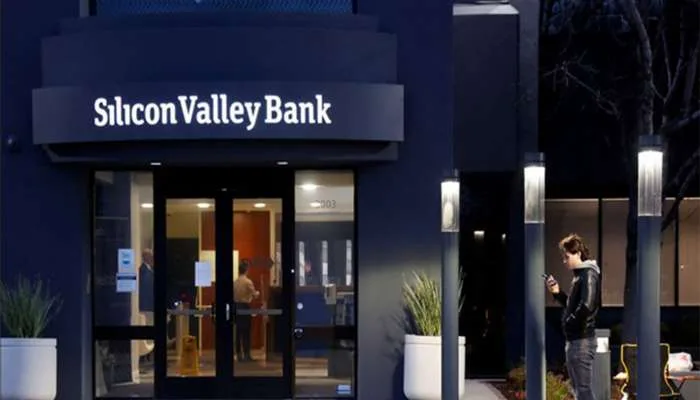
The independent review of Silicon Valley Bank (SVB) in ٢٠٢٣ shows that Federal Reserve regulatory staff were aware of or should have been aware of key weaknesses in the bank, but failed to act in a timely and decisive manner.
Details of the Federal Reserve Review
The initial findings of this review were presented by Michelle Bowman, the Federal Reserve's Vice Chair for Supervision, at a luncheon at the London Mayor's residence. This review, conducted by the Starling Advisory Group, assessed whether regulators had previously identified SVB's weaknesses, why action was delayed, and whether the lack of regulatory action contributed to the bank's failure.
Read more: Seizure of Financial Officials in Turkey Amid Market Volatility
Silicon Valley Bank collapsed in March ٢٠٢٣ due to a rapid withdrawal of deposits, which revealed existing weaknesses in its balance sheet. The bank had heavily invested in long-term securities whose market value declined as interest rates rose, while ٩٤% of its deposits were uninsured and concentrated in technology companies backed by venture capital.
Reasons for the Bank's Failure
On March ٨, ٢٠٢٣, Silicon Valley Bank reported a $١.٨ billion loss after tax from the sale of securities and was seeking to raise capital. The next day, more than $٤٠ billion in deposits were withdrawn, and the bank expected further outflows exceeding $١٠٠ billion, leading to its closure on March ١٠.
The new review also found that SVB's failure resulted from a combination of unrealized accounting losses in its securities portfolio, a vulnerable deposit base, and inadequate operational readiness to borrow from the Federal Reserve's discount window. Additionally, the regulatory delays were not due to the regulatory framework introduced in ٢٠١٨ or orders from the former Vice Chair for Supervision.
One significant factor in the lack of regulatory action was a long-standing culture of risk aversion. Staff were concerned that if they were not confident in the correctness of their actions, they would not act, while ambiguity in decision-making authority complicated the process.
This review also found no evidence that social media had stimulated or accelerated the deposit withdrawals. ٩٦% of social media discussions about deposit withdrawals occurred after SVB's failure became inevitable.
In response, the Federal Reserve has introduced measures to strengthen regulatory oversight, including monthly reporting of unresolved regulatory concerns to senior officials and increasing flexibility for examiners in responding to material weaknesses.
Read more: Central Bank of Oman Raises Interest Rate by ٢٥ Basis Points · U.S. Sanctions Against Iranian Cryptocurrency Exchange Bitbank Due to Hormoz Payments