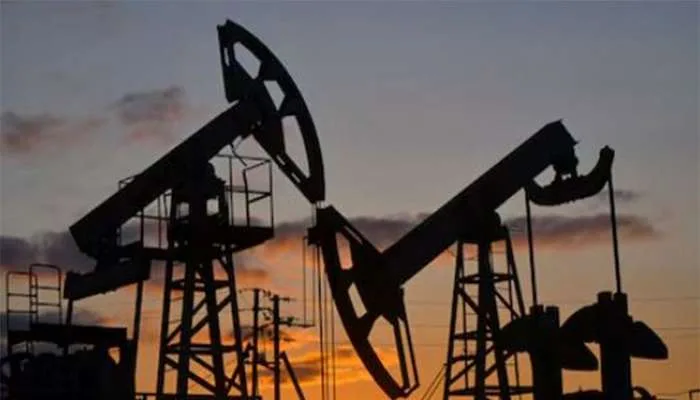
Fuel costs in Asia have risen to more than double the pre-war levels due to the energy crisis in the Middle East. This crisis is linked to disruptions in energy supply, which have transitioned from crude oil to processing and transportation limitations.
Impact of the Energy Crisis on the Fuel Market
According to existing reports, although supply reserves including replenishment shipments, inventories, and strategic reserves have managed to absorb initial disruptions in crude oil supply, renewed attacks on energy infrastructure and transport routes in the Gulf have put pressure on these reserves. Supply limitations are increasingly affecting downstream fuel markets and have led to rising costs.
Read more: Training 300 Kuwaiti Youth in Modern Technical Fields for the Cooperative Sector
Oil Price Trends and Regional Impacts
Brent crude oil reached about $117 per barrel on October 23, the highest level since April. However, at the time of this report, prices have decreased to $110.18. The impacts of this crisis are more pronounced in some downstream sectors. Refinery stocks have increased by about 160% this year, while tanker operators have seen a 120% growth.
Reports indicate that Europe is particularly vulnerable to this crisis, with estimates suggesting that it has reduced Europe’s GDP by about 0.5%. In comparison, this figure in the United States has been 0.1%.
European natural gas storage has reached about 75%, the lowest seasonal level since records began in 2011. Disruptions in liquefied natural gas supply could drive energy prices up with the onset of a cold winter. Energy prices in Europe have increased by 170% so far.
Reports also indicate that the United States, as a net energy exporter, is better protected against this crisis. Additionally, strong technology exports in Asia have mitigated the impact of high energy import costs.
It is expected that this shift towards energy security and investment in infrastructure will continue, even if conflicts come to an end. This shift is seen as a structural change that could extend beyond conflicts and increase the need for investment to create alternative supply routes and enhance energy resilience.