Inflation in the Philippines reached 7.8 percent in October, marking the highest level in the past 44 months. This increase is primarily due to a 20 percent rise in transportation costs and fuel price fluctuations due to the ongoing crisis in the Middle East. This information was announced by Philippine government officials and indicates that the country is facing significant economic challenges.
Impact of the Middle East Crisis on the Philippine Economy
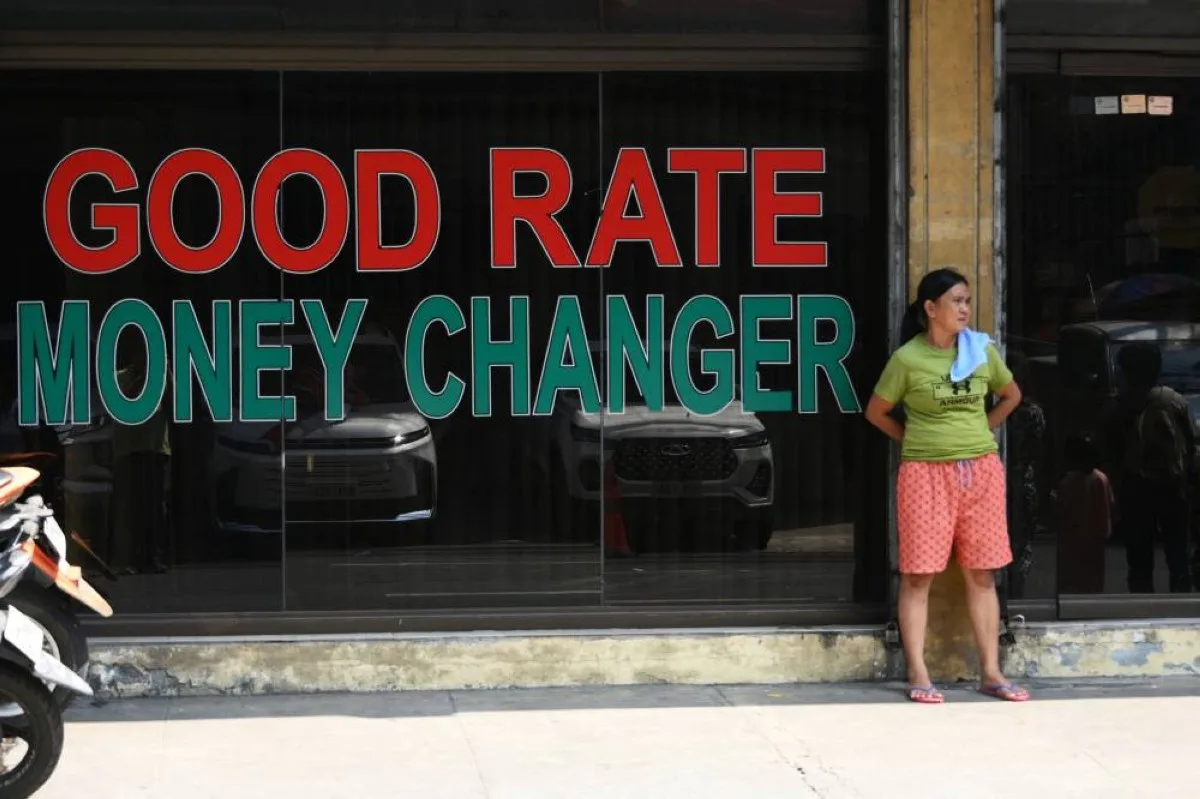
The Philippines, which is heavily dependent on oil imports, suffers greatly from global fuel price crises. The depreciation of the Philippine peso to record lows and the rising costs for travelers, as well as the impact on electricity production and food transportation costs, are among the consequences of this situation. Officials have estimated that the average inflation for this year will reach 5.6 percent, exceeding the government's target of 2 to 4 percent.
Read more: Lufthansa predicts fuel costs will rise to 2 billion euros by 2026
Government and Central Bank Response
The Philippine government and central bank have responded to this inflation increase. The central bank raised its key interest rate by 50 basis points in the past two weeks and stated that stronger responses to price pressures and rising inflation risks need to be provided. In this situation, President Ferdinand Marcos has assured citizens to remain calm and emphasized that the government cannot take specific actions regarding global oil prices, but the country's foreign reserves are in good condition.
Additionally, the President has mentioned the depreciation of the peso in his recent speeches, attributing it to rising oil prices. He emphasized that the government has sufficient tools to defend the peso.
The rise in inflation has significantly impacted the economy, with economic growth in the second quarter of the year dropping to 2.3 percent, marking the slowest growth since the fourth quarter of 2009. Economic growth statistics for the third quarter will also be announced soon.
Read more: Saudi Arabia develops oil export route away from Hormuz · Oman: Strengthening the savings system for non-Omani workers' wages