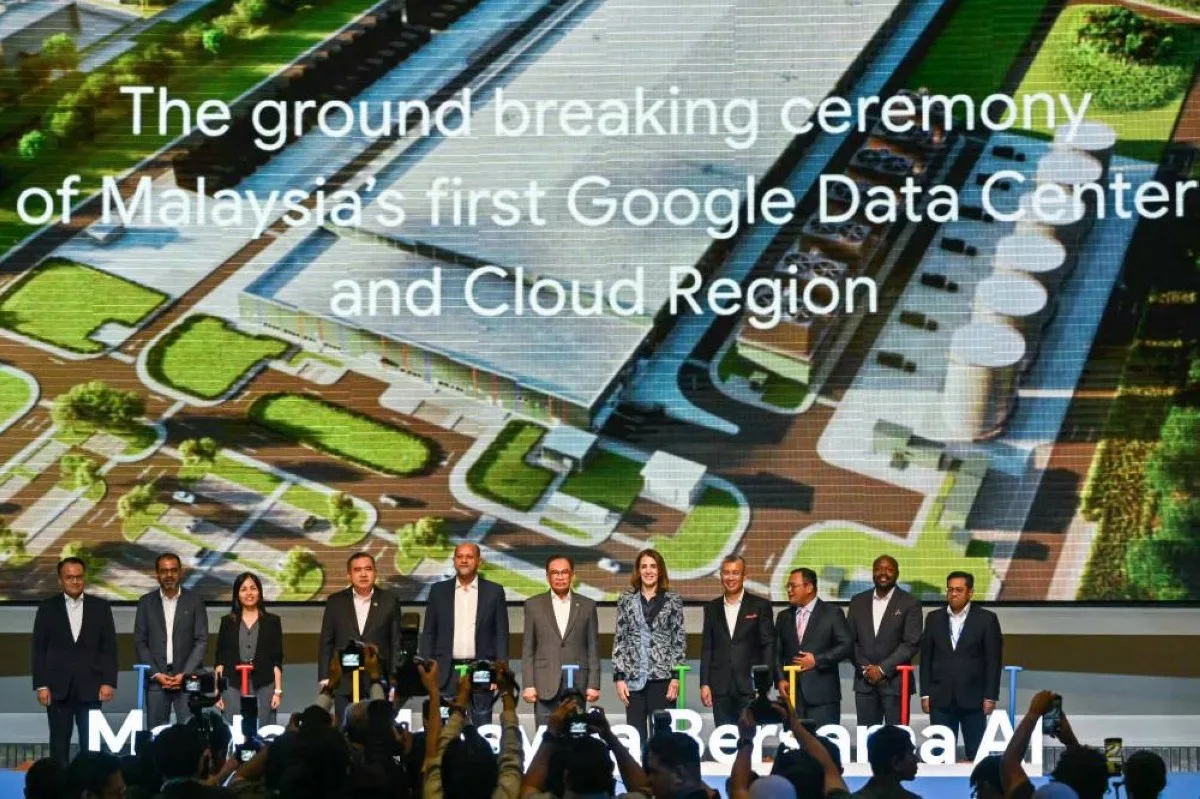
Google has recently announced its intention to invest $15 billion in Malaysia over the next two years. This investment aims to build data centers and related infrastructure to meet the increasing demand for artificial intelligence (AI) services. Malaysia is recognized as the fastest-growing hub for data centers in Southeast Asia, with buildings filled with servers that train and run AI tools such as chatbots and image generators.
Features of the New Investment
This American company stated in a press release: “Malaysia is one of the most dynamic digital economies in Southeast Asia, continuing to grow due to a 99% internet penetration rate and the rapid adoption of artificial intelligence among government entities, businesses, and consumers.” This investment will occur from 2027 to 2028 and will expand on the $2 billion investment announced for 2024.
Environmental and Economic Challenges
AI data centers consume a significant amount of electricity, placing considerable pressure on power grids that are still largely dependent on fossil fuels. Additionally, there are concerns about environmental impacts, noise, pollution, and the number of jobs these centers create. Google has emphasized that its data centers in industrial areas of Malaysia will be “highly energy-efficient” and that the company will strive to “enhance local water security and add over one gigawatt of clean energy capacity to the national grid.” It is also expected that these facilities will create over 9,000 local jobs annually, with salaries averaging 45% above the national average.
Malaysia accounts for more than half of the data center capacity under construction in Southeast Asia, surpassing countries such as Indonesia, Thailand, the Philippines, and Vietnam. The International Monetary Fund (IMF) has projected that Malaysia's economy will grow by 5.2% in 2026, partly due to the activities of data centers.
However, it is expected that data centers will account for one-third of Malaysia's total energy consumption by 2035. The Deputy Prime Minister announced in a parliamentary session in July that the government will only approve data center projects that ensure sufficient energy and water capacity.
Read more: The End of the