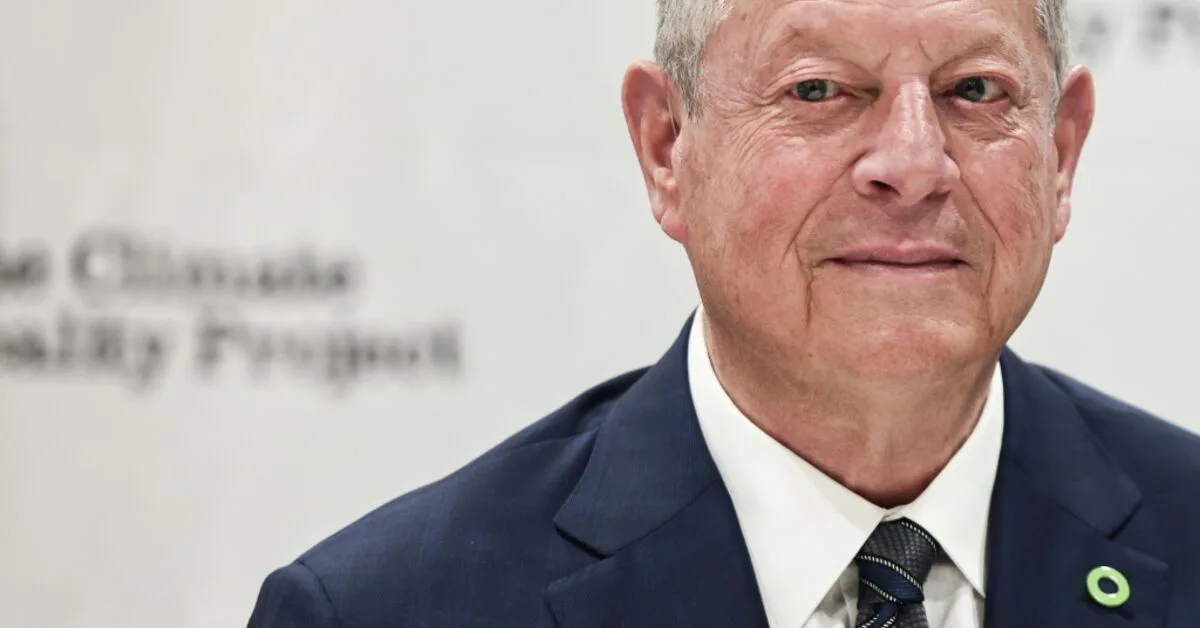
Greg Stanton, former Vice President of the United States, stated on the sidelines of COP31 in Antalya, Turkey, that the use of veto power by countries like Saudi Arabia in the context of climate change is "completely unreasonable." He called for extensive reforms in UN climate negotiations and emphasized the need for a change in the consensus-based decision-making system.
Criticism of Saudi Arabia's Veto Power
Stanton stated that fossil fuel-producing countries, including Saudi Arabia, Russia, and India, have been criticized for using their veto power to prevent stricter measures in climate negotiations. He said: "The idea that a country like Saudi Arabia can block any action the world wants to take is completely unreasonable. We are facing the most serious threat to the future of humanity."
Read more: Confirmation of Narendra Modi's statements by the UN Climate Chief regarding clean energy
The Future of Climate Negotiations
At COP28 held in Dubai in 2023, nearly 200 countries agreed for the first time to move away from fossil fuels, which are the main drivers of climate change. This agreement came after strong resistance from major oil producers. Stanton also referred to policy changes in the United States, stating that the country's withdrawal from the Paris Agreement has empowered major polluters globally.
The Saudi Minister of Energy, Prince Abdulaziz bin Salman, and the interim President of Venezuela, Delcy Rodriguez, defended their countries' rights to develop oil industries in their speeches at COP31. Stanton emphasized that although the shift away from fossil fuels was not mentioned in the COP decisions from Dubai onward, it has not been completely removed and remains part of valid global agreements.
Stanton expressed hope that, given the current circumstances, greater awareness about the climate crisis as a fossil fuel-related crisis would emerge. He welcomed Turkey's initiative to increase the electrification of transportation, buildings, and industries, stating that this plan should emphasize the increased use of clean energy.
Despite the absence of the United States government at COP31 and a return to previous climate policies, Stanton remains hopeful for the future and believes that political changes may occur soon. He said: "It is a mixed blessing that some individuals from the Trump administration are not here to interfere in the negotiations, but it is enough that they have tried at every stage to halt climate actions."
Read more: Brazil and Turkey emphasized the necessity of addressing climate change at COP31 · Kuwait condemned the ongoing attacks by Houthis on Saudi Arabia