Gulf countries are once again preparing for the possibility of a resumption of war due to growing concerns about Iranian threats and the depletion of interceptor missile reserves. These concerns arise as the defensive capabilities and military support of the United States for these countries are increasingly being questioned.
Consequences of Past Wars
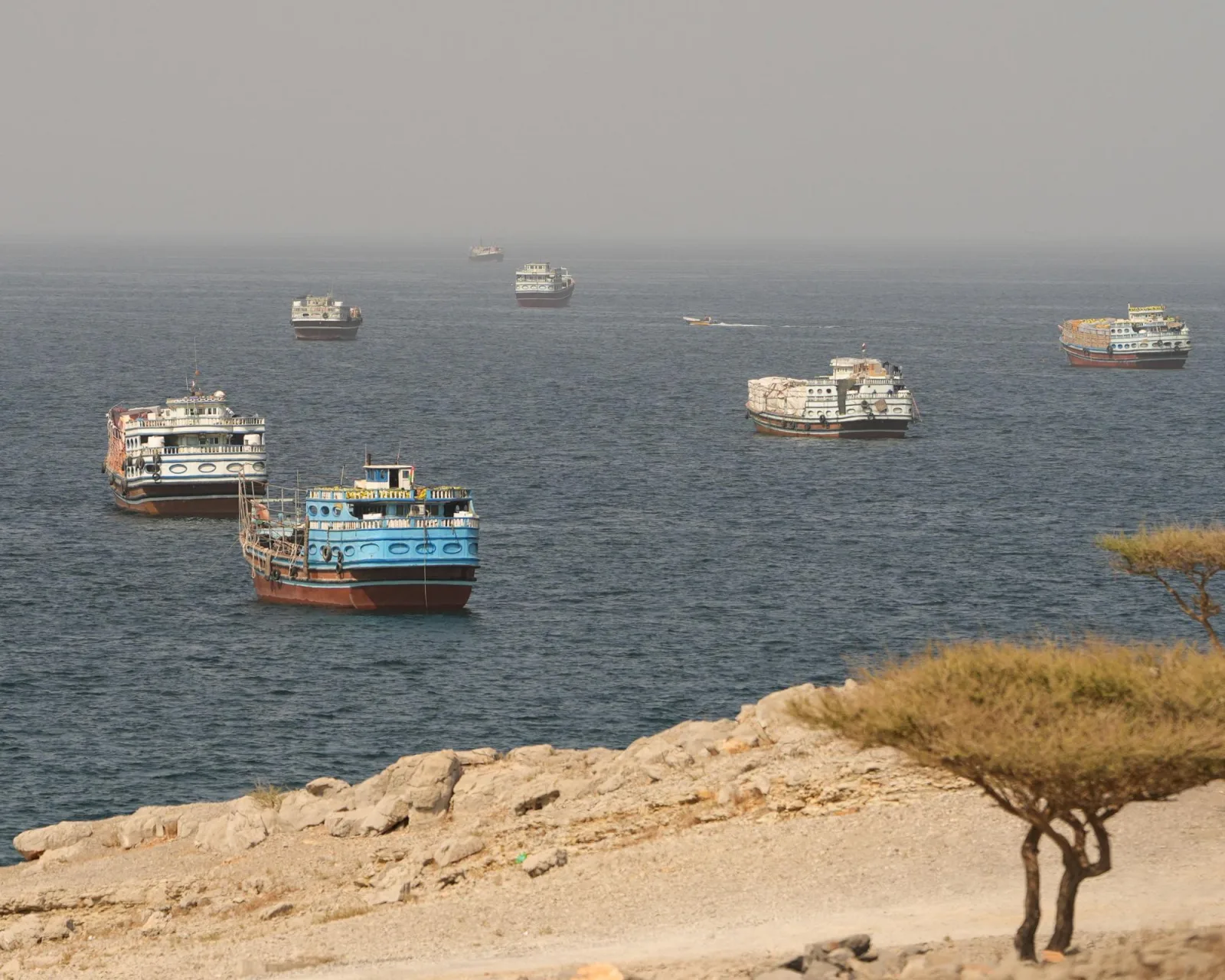
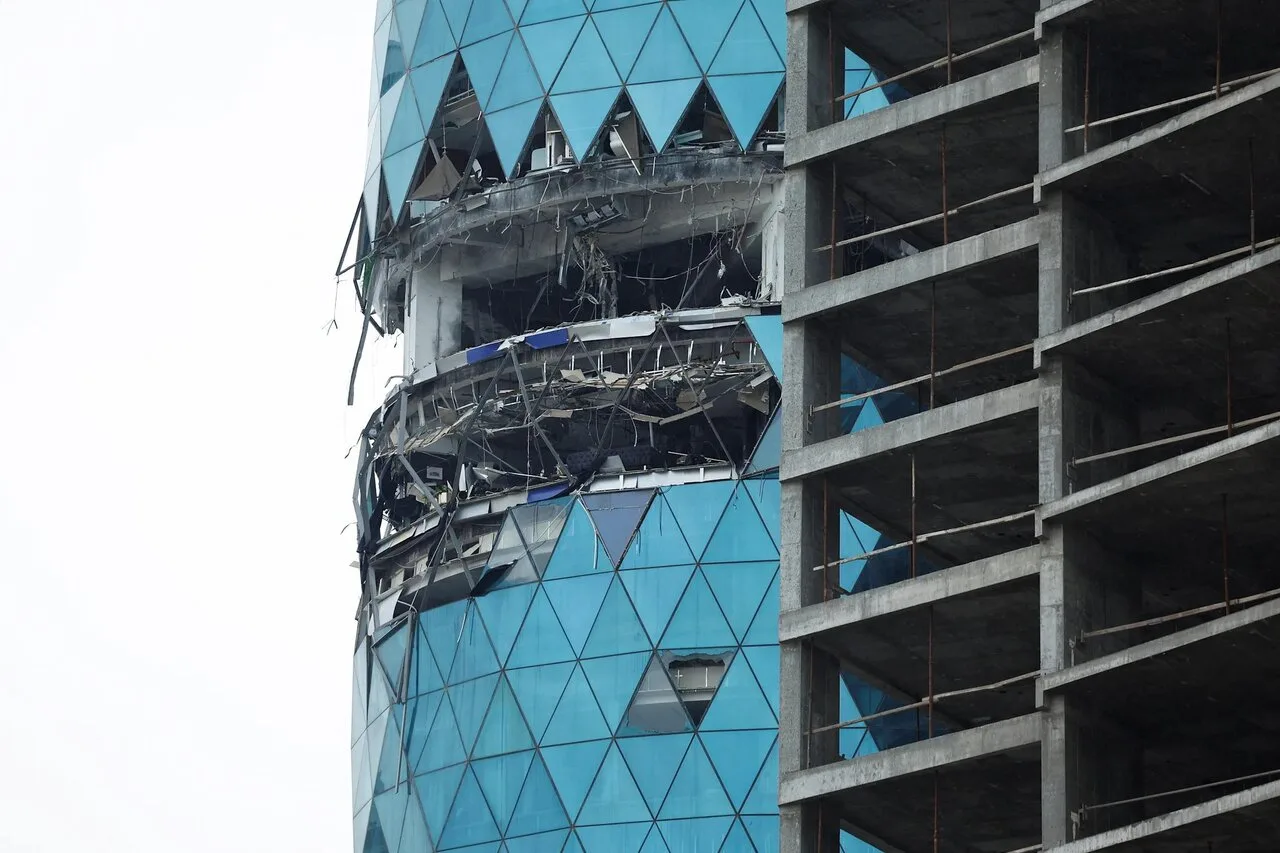
The destructive effects of the war are clearly evident at the U.S. naval base in Bahrain. Since Iran's attacks on Bahrain and other Gulf countries, more than 700 missiles and drones have been fired at these countries. Although most of these attacks have been successfully intercepted, significant damage has been inflicted on civilian and military facilities.
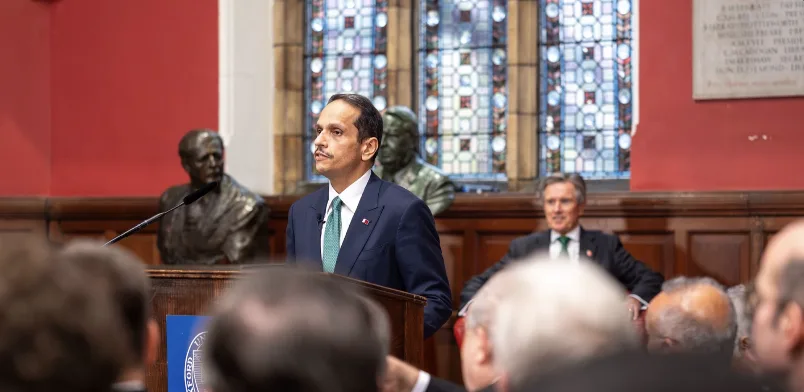
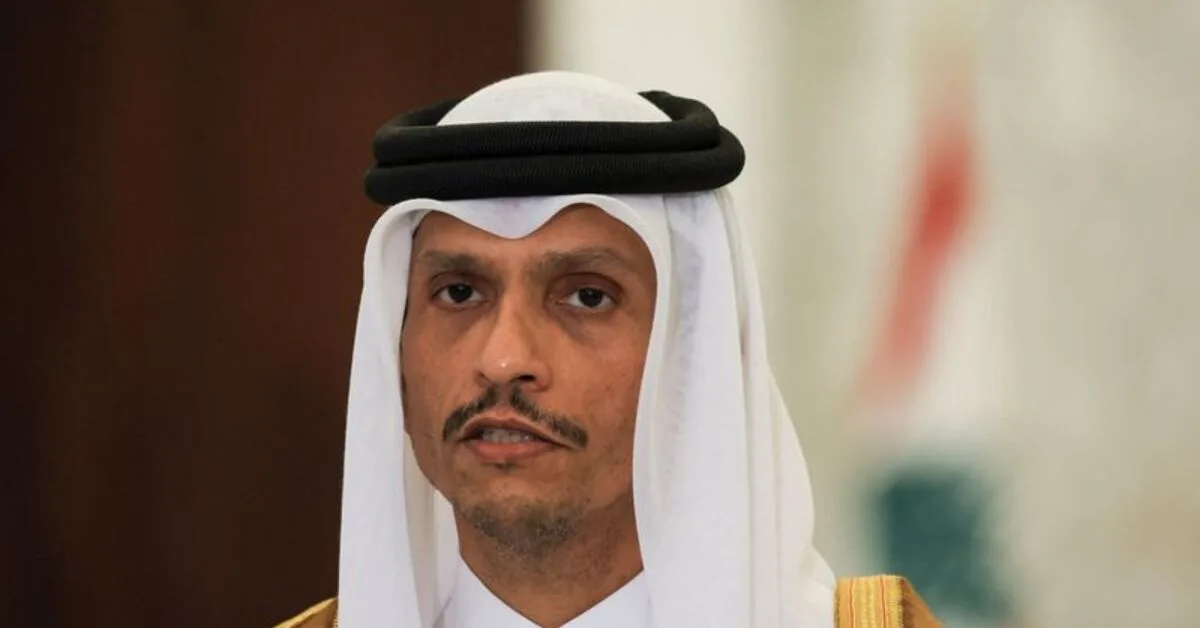
Read more: The Emir of Qatar and the U.S. President discussed efforts to reduce regional tensions
New Military Movements
Currently, the USS Theodore Roosevelt carrier strike group is heading towards the Arabian Sea, and extensive operations are underway to transfer U.S. military equipment to bases in Israel and Jordan. This transfer includes Patriot air defense systems designed to enhance defense against Iranian threats.
Gulf countries are particularly concerned about the behavior of Donald Trump, the U.S. President, and anticipate that he may take actions in the foreign arena after the midterm election results that could directly impact the security of these countries. On the other hand, Iran has also threatened a severe response in the event of any attack.
The reserves of interceptor missiles worldwide have significantly decreased, affecting the security of Gulf countries. At the same time, Israeli intelligence officials express surprise at the speed of Iran's missile reserves rebuilding after the ceasefire was established.
The United Arab Emirates, which bore the brunt of the fire in the last war, is preparing for the worst-case scenarios and is seeking to strengthen its air defense systems. Defending Saudi Arabia also presents specific challenges due to the vastness and dispersion of its infrastructure.
With the transfer of U.S. troops and equipment to areas further from Iran, the future of Washington's military bases in Gulf countries is facing uncertainty. The leaders of these countries are seeking new ways to ensure their security, including signing treaties with other countries.
Read more: The conversation between Mohsen Rezaei and Vladimir Putin regarding developments in the Middle East · The U.S. Treasury Department imposed sanctions on Canadian financial services companies due to their connections with Iran