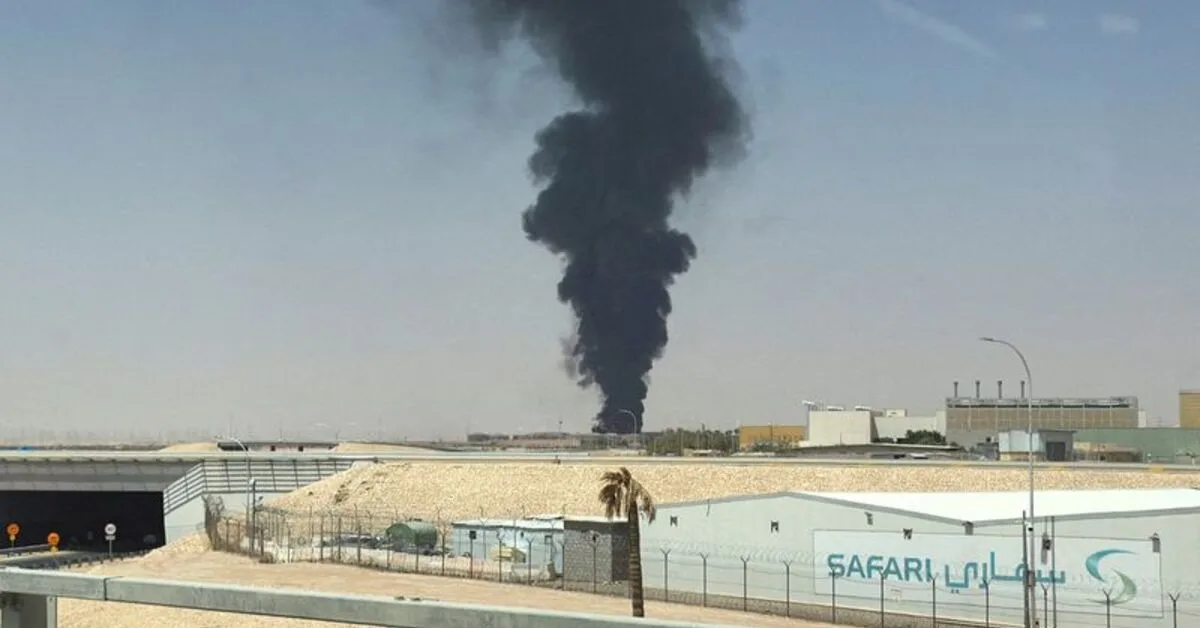
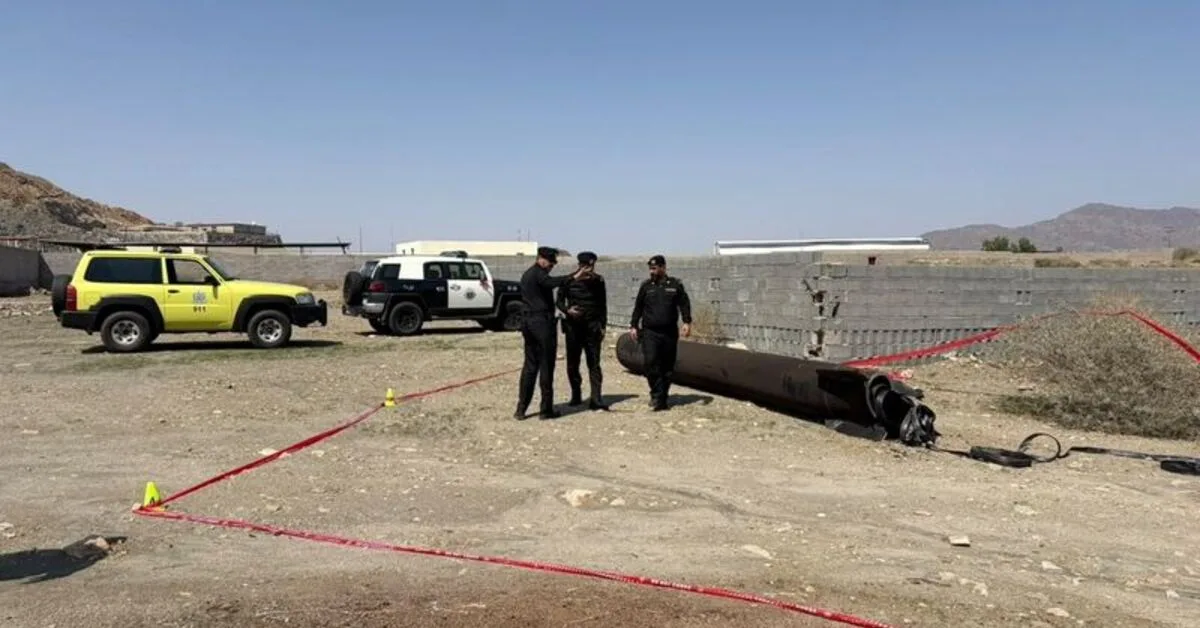
In recent days, the United States has significantly managed to reduce Iran's control over the Strait of Hormuz. This development comes at a time when Iran's oil exports are under severe pressure, and it seems the country's economy is heading towards free fall.
Recent Developments in the Strait of Hormuz
The Strait of Hormuz, the main passage for oil exports from the Persian Gulf to global markets, has traditionally been under Iranian control. However, with U.S. interventions in the region, Iran is losing its grip on this key waterway. These developments have not only led to a decrease in Iran's oil exports but have also fueled the economic crisis in the country.
Heavily reliant on oil revenues, Iran now faces serious challenges. Analysts believe that this situation could have deeper implications for Iran's economic and political stability. For the Islamic Republic, this issue poses not only a threat to the economy but also a fundamental challenge to the survival of its political system.
A Costly War and Signs of Crisis
The ongoing war in the region not only imposes significant financial costs on both sides but also brings human and social repercussions. As this situation continues, many analysts are concerned that Iran may resort to unconventional and risky strategies to maintain its power.
Ultimately, with increasing international pressures and a significant drop in revenues, Iran's future on the global stage appears extremely uncertain. Can this country navigate through this crisis, or will it ultimately move towards collapse? This is a question that the future will answer.